Business Leaders Urge Government to Scrap Tourist Tax for £7 Billion High Street Boost
Leading business organisations in the UK are strongly advocating for the reinstatement of a VAT-free shopping scheme for international visitors, arguing that its absence is costing the nation billions and hindering the recovery of its high streets. Trade bodies, including the Heart of London Business Alliance, the Association of Town and City Management, and the Association of International Retail, have penned a letter to the Prime Minister highlighting the urgent need for measures to support struggling retail and hospitality sectors.
The core of their proposal is the reintroduction of a 20% VAT refund for tourists, a move they believe would reposition Britain as a premier shopping destination in Europe. This initiative, they contend, could inject an estimated £7 billion annually into the UK economy and safeguard approximately 140,000 jobs.
Reclaiming Lost Revenue and Capturing New Markets
A significant portion of the argument centres on the estimated £2 billion that is currently diverted from UK high streets to European Union destinations each year due to the lack of tax-free shopping incentives. By offering VAT refunds, the UK could reclaim this substantial sum. Furthermore, the proposal aims to “unlock a new EU shopper market.” With the UK no longer part of the EU’s customs union, residents from EU countries are now eligible for tax-free shopping, mirroring the benefits enjoyed by high-spending tourists from China and the US. The potential revenue from this untapped market is estimated at a further £5 billion, if spending levels from EU shoppers in the UK match those of British tourists across the EU last year.
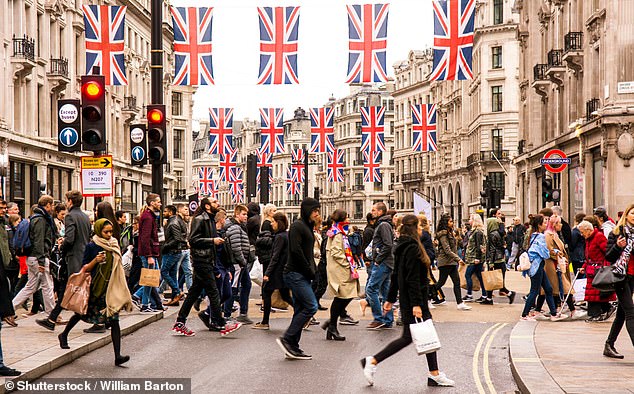
Prominent retailers, including Harrods, Primark, Marks & Spencer, and luxury brands like Burberry and Mulberry, have thrown their weight behind the campaign. They observe that tourists are increasingly choosing to spend their money in European cities such as Paris, Milan, and Berlin, leaving the UK to miss out on significant economic gains.
Addressing the “Fundamentally Broken” Business Rates System
Beyond the tourist tax, the business groups also highlighted the deeply flawed business rates system as a major impediment to high street vitality. They estimate that a comprehensive overhaul of business rates could provide an additional £2 billion boost to high streets. The current system, they argue, “penalises brick-and-mortar businesses” and needs a radical restructuring rather than mere incremental adjustments.
The letter to the Prime Minister specifically criticises the ongoing government consultation into rates reform, describing it as focusing on “incremental adjustments” rather than the fundamental changes required. The business leaders propose a novel solution: introducing a 2% levy on all online sales. This, they suggest, could fund a significant reduction in business rates by 35%, thereby creating a “fairer, level playing field between high street and digital trading.”
A Widespread Call for Action
The plea from these trade organisations follows a broader campaign backed by over 500 UK business leaders who are urging the government to reinstate the 20% refund scheme. The urgency of the situation is underscored by the recent spate of closures and job losses from well-known high street names such as River Island, Claire’s Accessories, and Poundland.
The issue of business rates has been a contentious one, particularly after increases announced in the previous year’s Budget sparked widespread opposition from the hospitality and retail sectors. While some relief was offered to pubs and music venues in the form of a 15% discount, other parts of the hospitality industry, including restaurants, hotels, and cafes, have been excluded from this reprieve, leading to fears of further business failures and job cuts.
Helen Dickinson, chief executive of the British Retail Consortium, welcomed additional funding announced by Labour for neighbourhood rejuvenation but stressed that the core problem lies with business rates. She stated, “This tax is the final nail for thousands of boarded up shops, and a key factor when deciding whether to open new stores or close existing ones.” Dickinson emphasised that for local neighbourhoods to thrive, the government must deliver on its promise of “meaningful reform of the broken business rates system once and for all.”
The Impact of Current Policies
The current situation sees the UK at a disadvantage compared to its European counterparts. Before the Conservative government abolished tax-free shopping in 2021, non-EU tourists could claim a 20% VAT refund. The removal of this incentive, coupled with the UK’s departure from the EU’s customs union, has created a scenario where EU residents are now eligible for tax-free shopping, a benefit that should theoretically attract them to the UK. However, the absence of a formal, widely publicised scheme means this potential is not being fully realised.
The business groups are urging the government to conduct a “full impact review of tax-free shopping.” They view this as a “cost-free and credible demonstration of support for high streets which would be widely welcomed by businesses across the UK.” This call for a review comes amidst warnings from prominent restaurateurs, hoteliers, and chefs who have cautioned that further tax increases could lead to more business closures and leave town centres increasingly desolate.
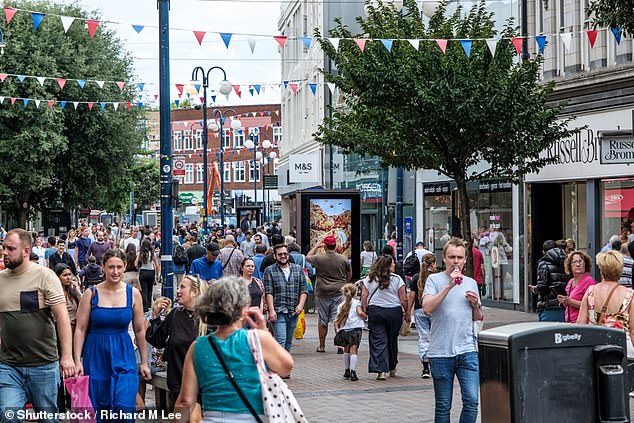
The debate highlights a critical juncture for the UK’s high streets, with a clear consensus emerging among business leaders that significant policy changes are needed to ensure their survival and prosperity in an increasingly competitive global market. The reinstatement of VAT-free shopping and a fundamental reform of the business rates system are seen as crucial steps towards achieving this goal.