The Hidden Cost of Weight Loss: How Popular Injectables Could Derail Your Homeownership Dreams
Australians are increasingly embracing popular weight loss medications like Ozempic, Mounjaro, and Wegovy, often spending hundreds of dollars monthly in pursuit of their health and aesthetic goals. However, a significant, often overlooked, consequence of this trend is its potential to dramatically impact borrowing capacity, potentially costing aspiring homeowners tens of thousands of dollars in their mortgage eligibility.
Research indicates that the average Australian utilising GLP-1 medications is outlaying approximately $610 per month. While the focus remains firmly on the scales, this substantial recurring expense can, unbeknownst to many, diminish their ability to secure a home loan. Lenders are now factoring these regular outlays into their assessments, leading to a significant reduction in how much individuals can borrow.
Lenders Scrutinise GLP-1 Medication Spending
Mortgage experts highlight that financial institutions are actively reviewing borrowers’ expenditure on these widely used drugs. Debbie Hays, a mortgage expert, explains that the monthly cost of GLP-1 medications can be incorporated into the Household Expenditure Measure (HEM) assessment. This benchmark, used by Australian lenders, establishes a baseline for expected household spending and is often employed in conjunction with, or as an alternative to, a borrower’s self-reported expenses.
Ms. Hays cautions that if these medications are being used for weight loss purposes, they may be classified as discretionary spending. This puts them in a similar category to expenses like private health insurance premiums or school fees for private education, which lenders commonly scrutinise.

When individuals submit their bank statements for a mortgage application, lenders are obligated to meticulously review them. A consistent direct debit for a substantial amount, such as $700 per month, will invariably prompt questions. Ms. Hays elaborates that such an expense, particularly when exceeding the cost of private health cover for a single applicant, can lead a lender to conclude that the borrower’s capacity to repay a loan is reduced by an estimated $80,000 to $100,000.
The Impact on Borrowing Power: A Stark Reality
The implications for prospective homeowners are considerable. Many individuals may not be fully aware of how these regular expenses are viewed by lenders, especially in the current economic climate where cost-of-living pressures are already a significant concern.
Consider a scenario involving a child-free couple with a combined annual income of $220,000. If they have an additional monthly expense of $610 for GLP-1 medications, and this is considered outside the standard HEM assessment by a particular lender, their borrowing capacity could be reduced by as much as $100,000. Modelling suggests that their maximum borrowing potential could decrease from $1.2 million to $1.1 million. This calculation is based on a standard 30-year owner-occupier loan with principal and interest repayments and a Loan to Value Ratio below 80 per cent.
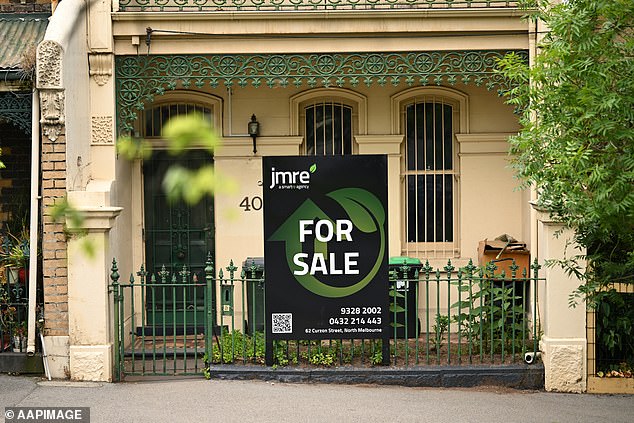
For the average Australian spending $610 monthly on these medications, this figure represents approximately 15 per cent of a typical monthly mortgage repayment of $4,180. This highlights the significant financial trade-off involved.
Generational Differences in Spending
The financial burden of these weight loss drugs appears to disproportionately affect younger demographics. Data suggests that approximately 18 per cent of Millennials are spending up to $760 per month on weight loss medications. This contrasts sharply with older generations, where only about eight per cent of Gen X and a mere two per cent of Baby Boomers reported using these medications for weight loss. This generational disparity underscores the need for younger Australians, in particular, to be aware of how their spending habits could influence their ability to achieve homeownership.
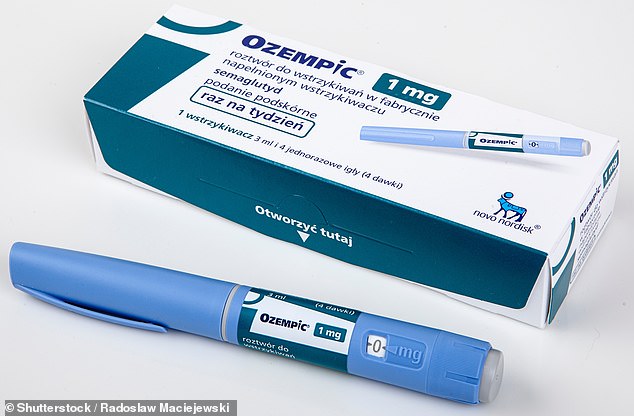
The decision to use GLP-1 medications for weight management is a personal one, often driven by health considerations. However, as the Australian property market remains competitive, aspiring buyers must remain acutely aware of all factors influencing their borrowing capacity. A thorough understanding of how lenders assess expenses, including those related to popular weight loss treatments, is crucial to avoid potential disappointment and to ensure that financial goals, such as purchasing a home, remain within reach. Prospective borrowers are advised to discuss all significant regular expenses, including medication costs, openly with their lenders or mortgage brokers to gain a clear picture of their financial standing and borrowing potential.