From family offices to ETFs and cross-border deals, global lenders are targeting different layers of a chip-fuelled boom
Taiwan’s dominance in semiconductors is no longer just reshaping global technology supply chains – it is also redrawing the island’s financial landscape, as international banks move to capture the wealth being created across the chip ecosystem.
From first-generation chip entrepreneurs setting up family offices to retail investors pouring money into exchange-traded funds (ETFs), the capital generated by Taiwan’s technology boom is spreading across multiple layers of the economy.
Global lenders are responding by sharpening their strategies, each targeting a different slice of that expanding wealth pool.
Do you have questions about the biggest topics and trends from around the world? Get the answers with SCMP Knowledge, our new platform of curated content with explainers, FAQs, analyses and infographics brought to you by our award-winning team.
At the private banking end, BNP Paribas is positioning itself as a long-term partner to newly wealthy entrepreneurs navigating the transition from concentrated equity holdings to globally diversified portfolios.
“First-generation technology and semiconductor-linked entrepreneurs are becoming a larger component of new UHNW [ultra high net worth] formation in Taiwan, alongside long-established wealth from trading, traditional manufacturing, and real estate,” said Arnaud Tellier, Asia-Pacific CEO at BNP Paribas Wealth Management.
That shift is driving demand beyond traditional portfolio management. BNP said it was seeing a clear rise in clients adopting “family office-style” structures, with needs spanning succession planning, governance and cross-border coordination – particularly as wealth is often tied to concentrated equity positions in the semiconductor supply chain.
Taiwan is also trying to retain more of that capital onshore. Last July, it launched a pilot wealth management zone in Kaohsiung, offering regulatory incentives and a more tailored environment for financial institutions.
More than 40 institutions, including BNP, have since joined the scheme to support more sophisticated wealth structures.
While private banks focus on structuring wealth, asset managers are targeting its broader distribution.
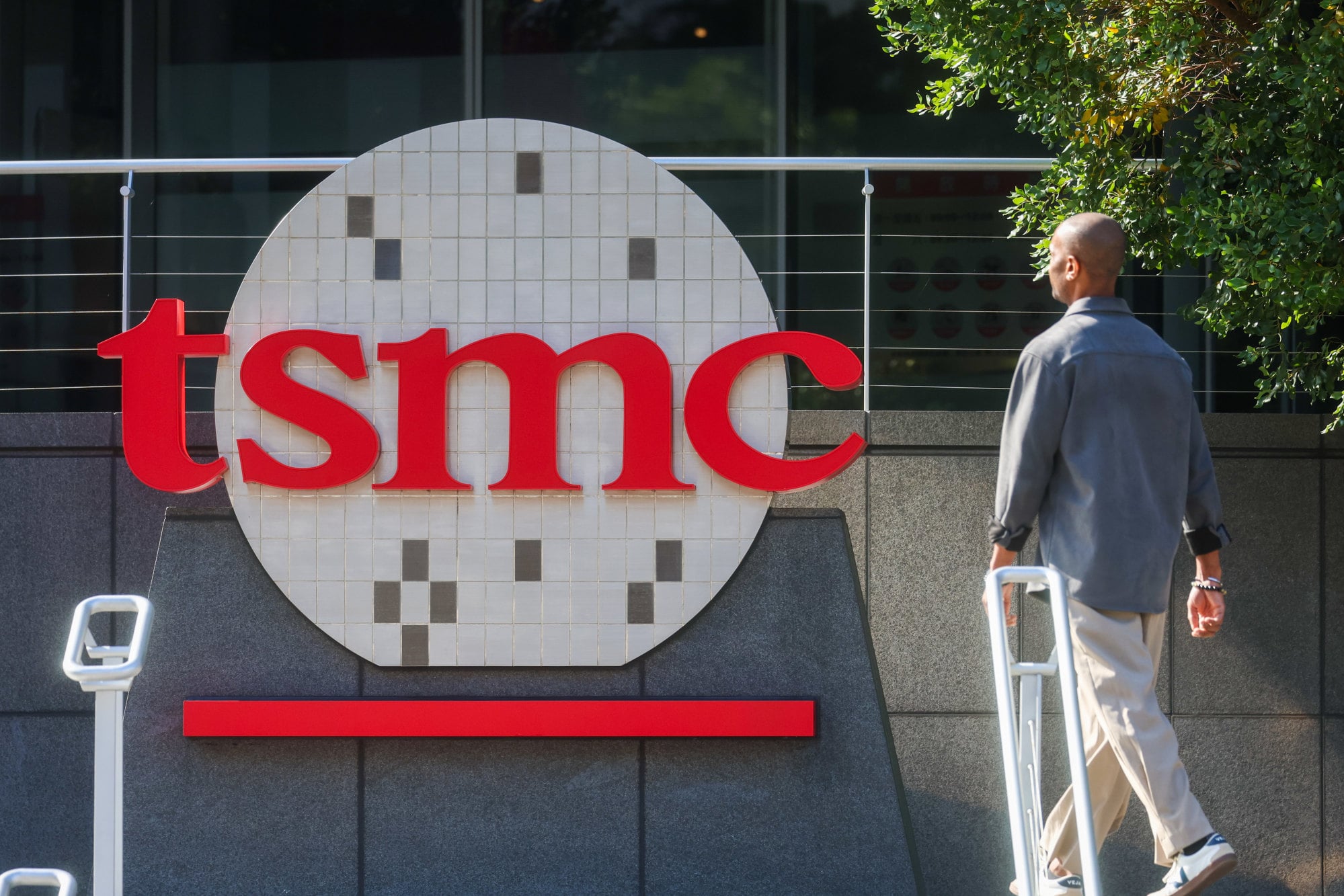
JPMorgan Asset Management is betting on Taiwan’s fast-growing ETF market as a gateway to retail and mass-affluent investors seeking exposure to the same semiconductor-driven growth.
“The whole industry supply chain is here, so they are all the beneficiaries,” said Henry Tong, CEO of JP Morgan Asset Management in Taiwan, highlighting how the AI-driven demand extends beyond chipmakers to the wider manufacturing ecosystem.
Taiwan’s ETF market, the third-largest in Asia, has been buoyed by strong equity performance and rising retail participation.
“People feel like TSMC belongs to everyone here – they’re proud of it,” Tong said, pointing to strong home bias among Taiwanese investors.
That enthusiasm has fed into the broader market. Taiwan’s tech-heavy equity market is now the world’s seventh largest by market capitalisation, with foreign investors holding nearly half of total shares. The benchmark Taiex index has risen about 120 per cent from its 2022 low, outperforming Japan’s Nikkei 225 and South Korea’s Kospi.
JPMorgan is rolling out active Taiwan equity ETFs that combine stock selection with covered-call strategies to generate income, targeting investors seeking both growth and regular payouts.
The shift underscores how semiconductor wealth is no longer confined to founders and corporates, but is increasingly being channelled into public markets through accessible investment products.
Further up the capital chain, Deutsche Bank is focusing on the cross-border expansion of Taiwanese corporates, particularly those embedded in the semiconductor supply chain as they diversify amid geopolitical tensions.
Over the past four to five years, the bank has seen a sharp increase in Taiwanese investment into Europe, driven by supply chain reconfiguration and the need to reduce reliance on China.
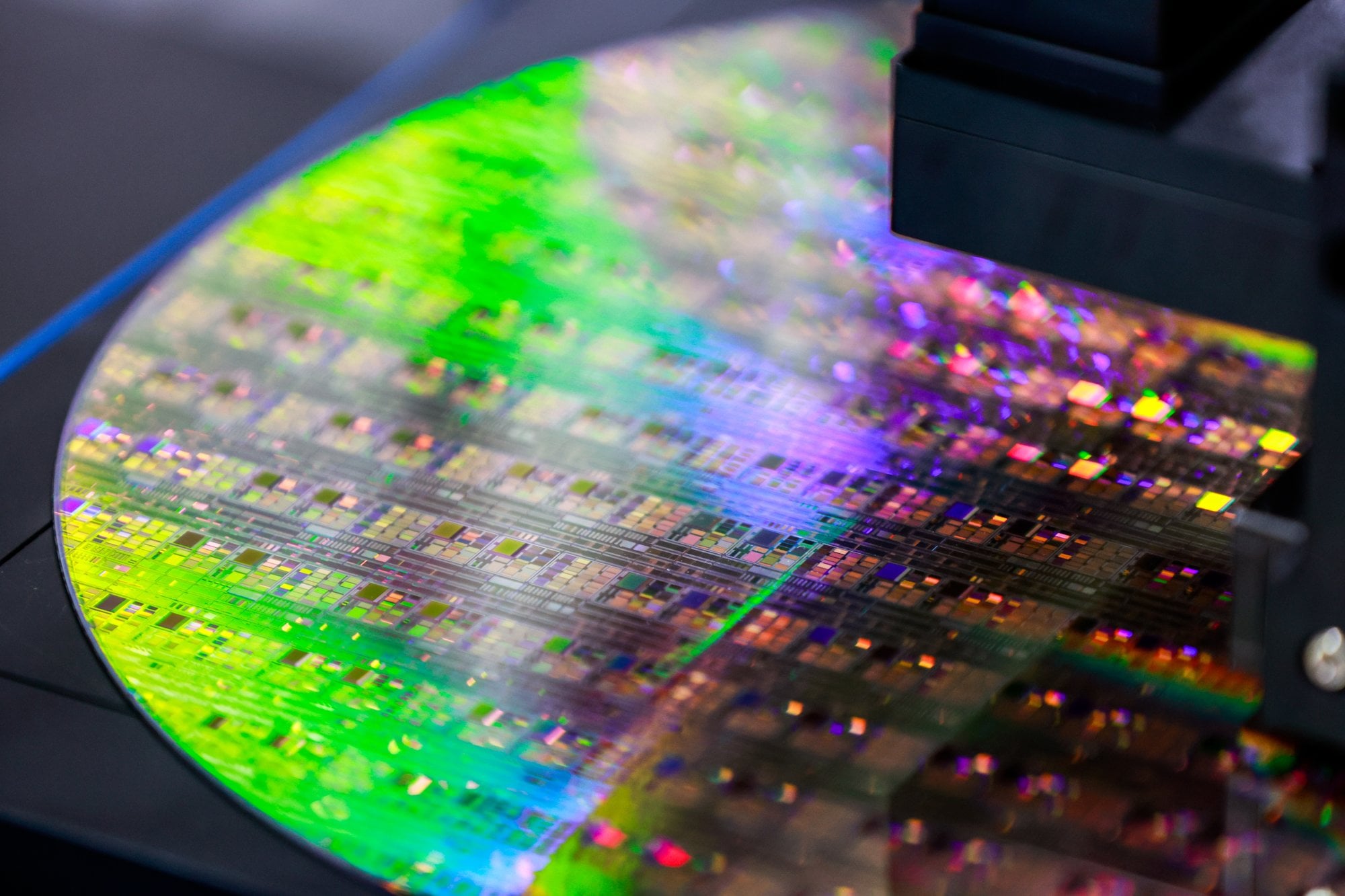
The trend has accelerated alongside major semiconductor investments in Germany, including TSMC’s Euro10 billion (US$10.8 billion) plant in Dresden, which is drawing an entire ecosystem of suppliers, engineers and service providers into Europe.
Deutsche Bank sees this as a structural opportunity. It is the only international bank with branches in both Taipei and Dresden, a key semiconductor hub, giving it a unique position to capture flows tied to these projects.
“We see increasing interest from Taiwanese corporates investing into Germany,” said Cynthia Chan, the bank’s Taiwan CEO.
The bank is supporting clients across the full expansion cycle, from large manufacturers to smaller suppliers, helping with everything from financing and account set-up to payroll and personal banking for relocated employees.
The flow is not limited to corporates – it extends to engineers, families and even small businesses following the semiconductor supply chain overseas.
To meet demand, Deutsche Bank is planning to expand its Taiwan team over the next three years, particularly in areas such as cash management, foreign exchange and advisory, as more Taiwanese companies globalise.
When asked whether the AI-driven boom could be sustained, executives struck a confident tone even as geopolitical tensions, including the recent Middle East crisis, injected volatility into global markets.
Taiwan’s outperformance has stood out regionally, with the Taiex proving more resilient than its neighbouring Asian peers, supported by the heavy weighting of TSMC and continued demand for advanced chips.
“The stronger AI becomes, the stronger the semiconductor industry will be,” Chan said.
More Articles from SCMP
Why South Korea, France prefer diplomacy over force in Hormuz
Wang beats Lebrun, keeps China’s ITTF World Cup hopes alive
Hong Kong customs seizes HK$3.4 million worth of suspected drugs, arrests 2 men
Colon cancer survivor who became viral fitness trainer isn’t afraid of eating McDonald’s
This article originally appeared on the South China Morning Post (www.scmp.com), the leading news media reporting on China and Asia.
Copyright (c) 2026. South China Morning Post Publishers Ltd. All rights reserved.