Nepali Rupee Hits Historic Low Amid Global Economic Headwinds
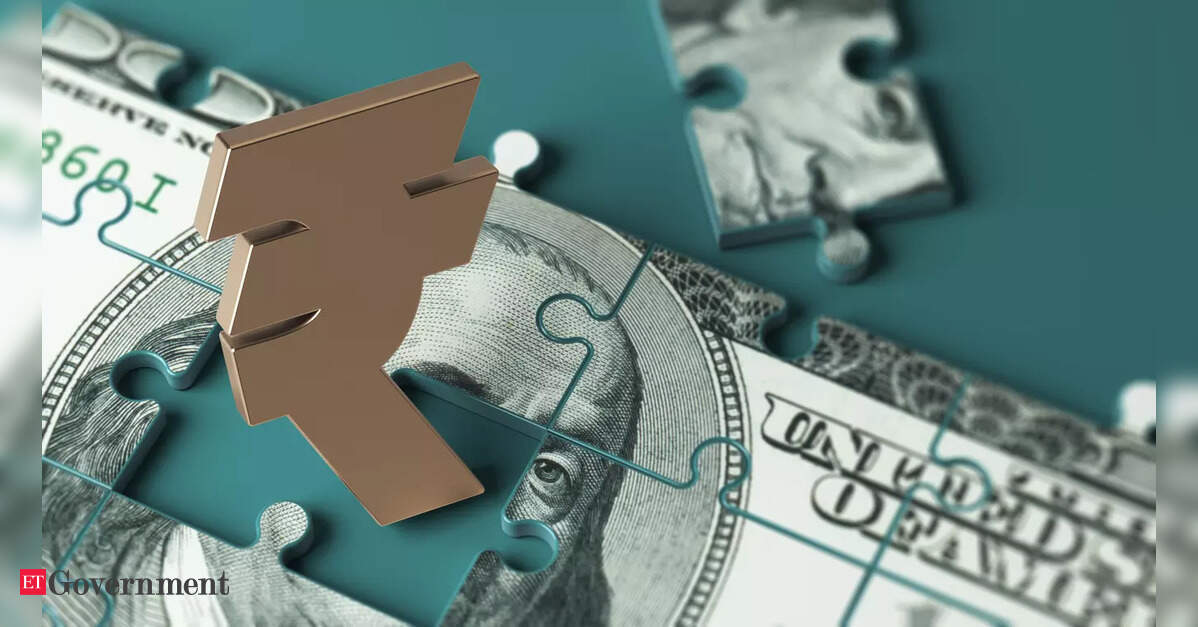
Kathmandu, Nepal – The Nepali rupee has reached an unprecedented low, with the nation’s central bank setting the official exchange rate at NPR 150.24 against the US dollar on Saturday. This marks a significant depreciation of NPR 1.72 against the greenback in a single day, a downturn primarily attributed to the weakening of the Indian rupee, to which Nepal’s currency is pegged. Under this fixed exchange rate system, any fluctuation in the Indian currency directly impacts the value of the Nepali rupee.
Just a year ago, the Nepali rupee was trading at approximately NPR 137.86 per US dollar. The subsequent strengthening of the dollar has been fueled by a confluence of global uncertainties. Escalating geopolitical tensions in West Asia and the Middle East, coupled with the robust economic performance of the United States, have contributed to the dollar’s ascent. International reports indicate that high interest rates in the US and a surge in “safe-haven” demand during periods of geopolitical conflict have bolstered the dollar, attracting foreign investment and further solidifying its strength.
The Indian rupee has also experienced a record low, hovering around INR 93 per US dollar. This decline stems from concerns that prolonged conflict in the Middle East could lead to a spike in oil prices, thereby expanding India’s import bill, according to reports from Indian media.
Economic Repercussions for Nepal
Experts are sounding the alarm about the potential for a sharp rise in inflation within Nepal, an economy heavily reliant on imports. As most global commodities are priced in US dollars, a stronger dollar directly translates to higher import costs.
Key imports such as petroleum products, edible oils, and essential food items are expected to become more expensive. The agricultural sector is also bracing for an impact, with potential price hikes for crucial inputs like chemical fertilizers, further straining farmers.
Nara Bahadur Thapa, a former executive director of Nepal Rastra Bank, highlighted the precarious situation. “In a country where the trade deficit is about 25 percent of the GDP, exports remain weak, and remittances could decline due to tensions in the Middle East, a strong dollar will negatively impact the economy,” he stated. Thapa warned that a weakening currency in a low-production economy would inevitably increase production costs and adversely affect livelihoods. “Costs will rise across the board – from transportation and construction to education and healthcare – making life more expensive for ordinary people,” he added.
Vulnerability to Remittance Flows
Nepal’s substantial reliance on remittances from its citizens working abroad also renders it vulnerable to external economic shocks. Approximately 40 percent of Nepali migrant workers are employed in the Middle East. Any economic slowdown in this region could significantly curtail remittance inflows, impacting foreign exchange reserves and diminishing Nepal’s bargaining power with international lenders and financial institutions.
A recent report by the International Labour Organisation (ILO) projected that Nepal could face significant economic losses, estimated at nearly $1 billion over five years, following its exit from the Least Developed Country (LDC) category in November 2026. This projection also includes the potential loss of around 132,000 jobs, with roughly half held by women. Export losses are estimated to range between 2.5 percent and 4.3 percent, depending on specific markets and products.
“With intensifying conflict in West Asia and the Middle East and the US Federal Reserve maintaining high interest rates, foreign investors in India have started pulling out funds in recent days,” Thapa observed, linking this trend to the broader global economic sentiment.
Emerging Signs of Strain and Future Outlook
While Nepal’s year-on-year consumer price inflation stood at 3.25 percent in mid-February—a decrease from 4.16 percent a year prior—analysts caution that the weakening currency could reverse this downward trend. During the review period, food and beverage inflation was recorded at 2.50 percent, while non-food and service inflation stood at 3.66 percent.
Guru Prasad Paudel, spokesperson for Nepal Rastra Bank, acknowledged that the depreciation would disproportionately affect Nepal’s import-dependent economy. “Import costs will rise, putting pressure on foreign exchange reserves. External borrowing will also become more expensive, especially as foreign loans are equivalent to around 23 percent of the GDP,” he explained.
Petroleum imports, which typically constitute 15-18 percent of Nepal’s total imports, are expected to face increased pressure due to rising global fuel prices. This scenario could further exacerbate the balance of payments and contribute to inflationary pressures, Paudel noted.
As of the first seven months of the current fiscal year, ending mid-February, Nepal’s gross foreign exchange reserves amounted to NPR 3.3 trillion, which is sufficient to cover approximately 18 months of imports for goods and services, according to the central bank.
However, experts remain concerned that the dollar may continue to strengthen amidst ongoing geopolitical uncertainties and the persistent rise in oil prices.
“If the Reserve Bank of India intervenes, it could help stabilize the currency. Otherwise, the Indian rupee – and consequently the Nepali rupee – may weaken further,” Paudel concluded, underscoring the interconnectedness of the regional currencies and the reliance on external interventions for potential stabilization.