
U.S. National Debt Soars Past $39 Trillion Amidst Growing Fiscal Concerns
The United States’ national debt has breached the staggering threshold of $39 trillion, marking a critical juncture in the nation’s fiscal health. This unprecedented level of indebtedness has ignited widespread concern among economists and policymakers, with chronic budget deficits and escalating expenditures, particularly those related to prolonged military engagements, contributing significantly to the crisis. As of the 20th of this month, the U.S. Treasury Department reported a federal debt figure of $39.207136 trillion. Notably, the debt has expanded by approximately $2.8 trillion in less than a year since the current presidential term began.
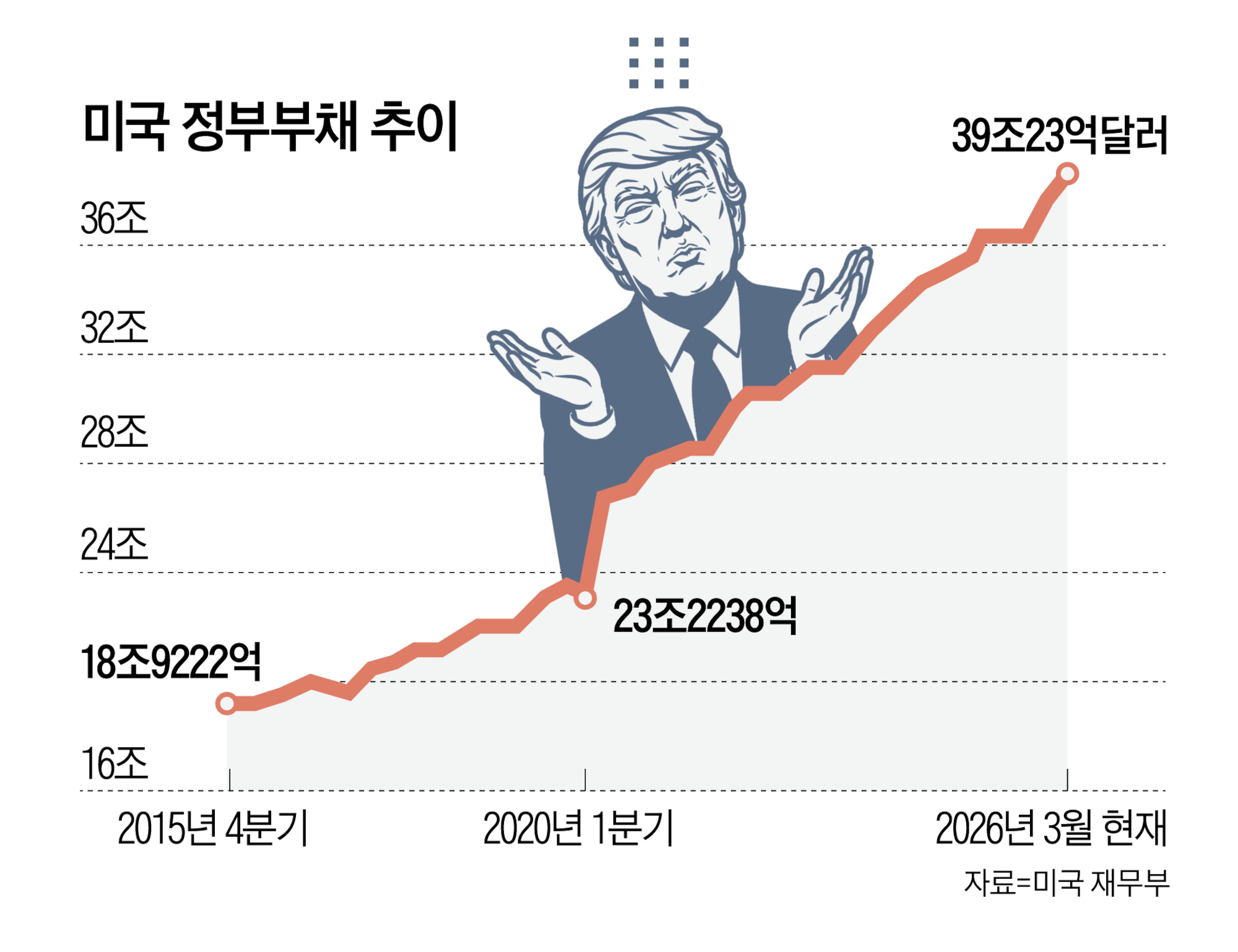
Several key factors are fueling this dramatic increase in national debt. Among the most prominent are the substantial rise in interest costs and the implementation of sweeping tax cuts. In an effort to combat persistent inflation, the nation has maintained elevated interest rates. This has, in turn, amplified the cost of servicing the existing debt, creating a self-perpetuating cycle where the government must borrow more to cover its interest payments. Compounding this challenge is the significant reduction in government revenue stemming from large-scale tax reform measures, often referred to as the ‘One Big and Beautiful Act (OBBBA),’ enacted last year. This legislation, designed to stimulate economic growth, has inadvertently accelerated the accumulation of debt by diminishing the funds available to the Treasury.
Escalating Military Expenditures Add to Fiscal Strain
The ongoing military operations, particularly the prolonged conflict with Iran, have emerged as a significant and escalating fiscal pressure point. The absence of a clear resolution to these engagements necessitates continuous and substantial financial outlays. Reports indicate that considerable sums have already been allocated to war efforts, with further substantial funding requests being made. Specifically, Kevin Hassett, Chairman of the White House National Economic Council (NEC), disclosed on the 15th that $12 billion had been expended on war-related costs. Adding to this burden, Secretary of Defense Hegseth has formally requested an additional $200 billion in funding from the White House to support ongoing military objectives. This continuous drain on the national budget exacerbates the already precarious debt situation.
Setbacks in Tariff Revenue Undermine Debt Repayment Strategies
A cornerstone of the current administration’s strategy to address the national debt involved leveraging tariff revenues. The pledge to “make the country debt-free through tariffs” has encountered significant obstacles, threatening to derail these ambitious plans. A pivotal setback occurred last month when the U.S. Supreme Court delivered a ruling that deemed a majority of the Trump administration’s tariff measures unlawful. This judicial decision has cast a shadow of uncertainty over the projected revenue streams, destabilizing the carefully constructed plans for debt repayment. The reliance on tariffs as a primary source of debt reduction has thus proven to be fragile, leaving the nation’s fiscal roadmap significantly compromised.
Projections Indicate Continued Debt Growth
The confluence of these factors paints a concerning picture for the future of U.S. fiscal health. Experts warn that without significant policy interventions, the national debt is poised for further substantial increases. Michael Peterson, CEO of the non-profit Peterson Foundation, offered a stark projection, stating, “At the current pace, the debt could approach $40 trillion before the midterm elections in November.” This forecast highlights the urgency of the situation and underscores the need for a comprehensive and sustainable approach to fiscal management. The growing debt burden not only impacts the nation’s economic stability but also carries implications for future generations, potentially limiting their economic opportunities and placing a heavy financial legacy upon them. The complex interplay of deficit spending, interest rate policies, tax legislation, and geopolitical commitments demands a thorough re-evaluation of fiscal priorities to ensure long-term economic resilience.