Tourist Faces Crippling Medical Debt After Beach Ride Mishap
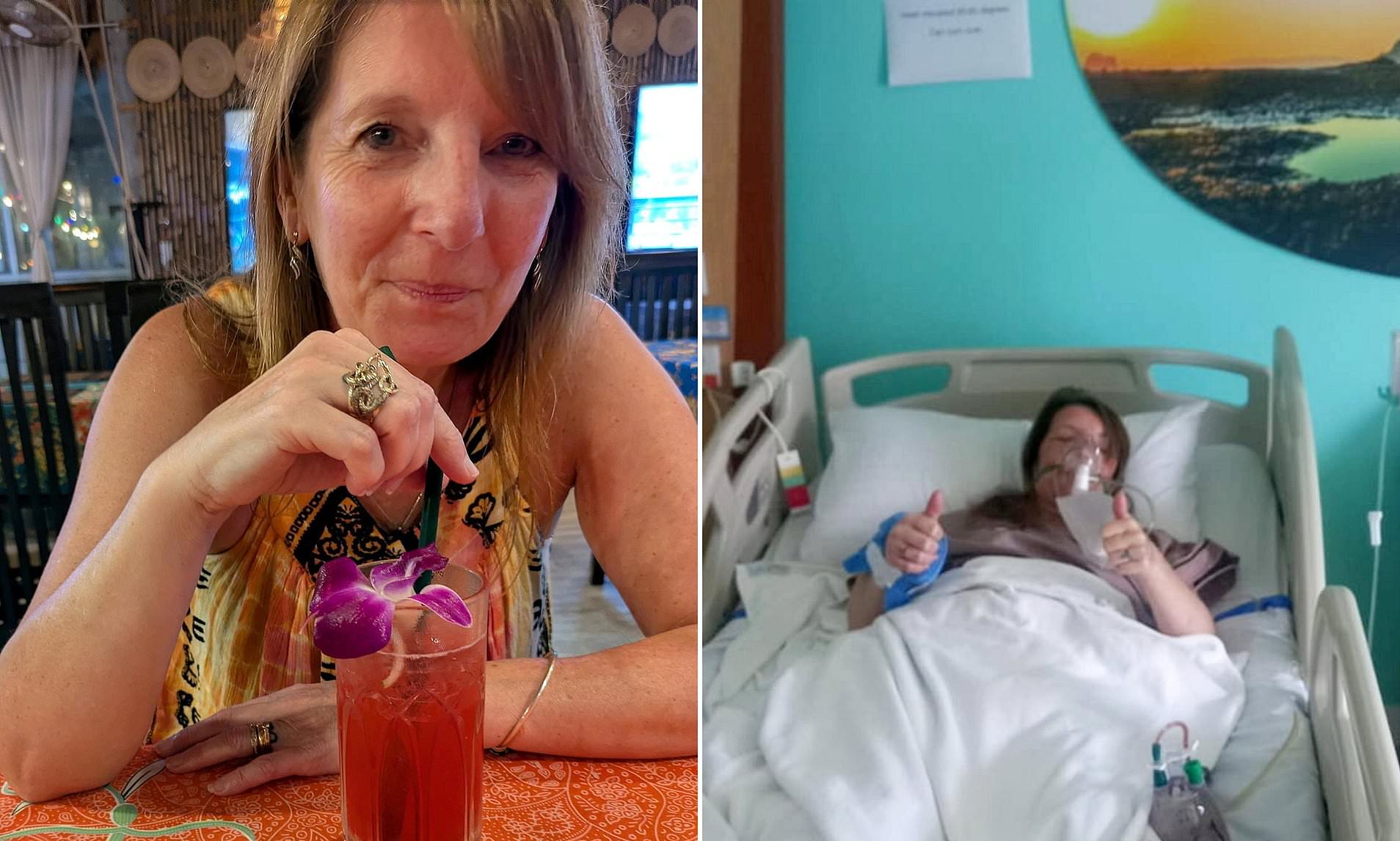
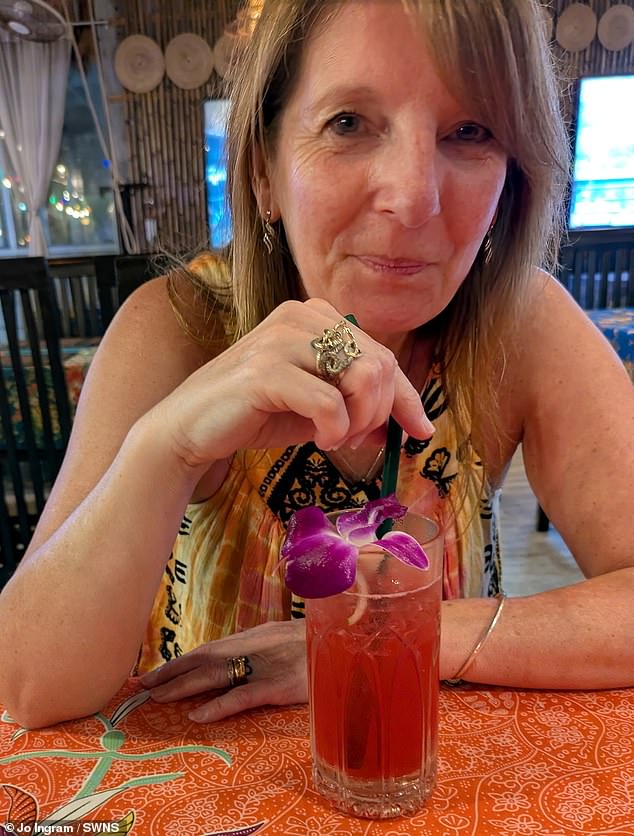
A dream holiday in Thailand turned into a financial nightmare for a British couple after a seemingly innocuous beach pony ride resulted in a broken back and a staggering £21,000 medical bill. Jo Ingram, 56, and her husband Stu were nearing the end of their two-week getaway in Krabi when Jo was thrown from a pony on the sand, sustaining severe spinal injuries.
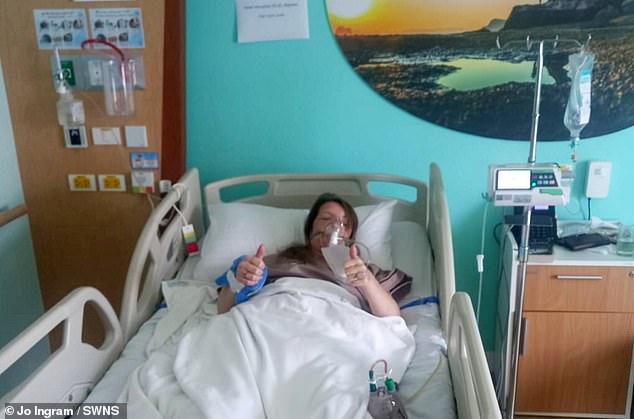
The incident left Jo with multiple fractures and disc fragments pressing on her spinal column, necessitating emergency surgery. The couple were immediately faced with a daunting upfront cost of £12,000, which they had to drain from their savings to commence treatment. “We were shocked and so scared,” Jo, a veterinary receptionist, recounted. Her husband, Stu, described the ordeal as “indescribable,” admitting to constant terror and profound loneliness.
The true extent of their predicament became apparent when they contacted their travel insurer. To their dismay, the couple were informed that horse riding was not covered under their policy, as the insurer classified the activity as an ‘extreme sport’. This classification left them solely responsible for the full cost of Jo’s two-week hospital stay and her ongoing recovery.
“The insurers disregarded our claim on the grounds it was an extreme sport,” Stu revealed. “As we plodded along the water’s edge on ponies it didn’t feel extreme, but it’s our fault for not reading the small print.” This sentiment highlights a common pitfall for travellers, where the specifics of insurance policies can have significant financial implications.
Stranded Abroad Amidst Extended Recovery
The couple now finds themselves stranded abroad as Jo begins her arduous recovery. Doctors have advised that she cannot fly home for at least seven weeks following her surgery. This prolonged stay necessitates additional expenses for accommodation and daily living, adding to the already overwhelming medical costs.
In response to their dire situation, an online fundraiser has been launched to help alleviate the financial burden. The funds raised are intended to cover mounting medical bills, essential rehabilitation costs, and their extended hotel stay while Jo works towards regaining her mobility.
Currently, Jo is undergoing intensive physiotherapy and relies on a walking frame to move. The road to recovery is expected to be long and challenging before she can return to her normal life. The Foreign Office has confirmed that it is providing support to the British national during her hospitalisation overseas.
The Perils of Adventure and Insurance Exclusions
This incident serves as a stark reminder for travellers to meticulously scrutinize their travel insurance policies. Experts advise that policies should clearly define ‘extreme activities’ and their exclusions. Tom Vaughan from Confused.com emphasized the importance of understanding these definitions before embarking on any potentially risky activities abroad.
The couple’s warning to fellow travellers is clear: always check the fine print of your insurance policy for any exclusions before participating in activities overseas. What may seem like a casual leisure pursuit could, under certain policy definitions, be deemed an extreme sport, leaving travellers exposed to significant financial risk.
A Parallel Ordeal: Moped Crash Leaves Tourist Facing Massive Bill
This case echoes a similar situation in February, where another British tourist was left stranded in Thailand and appealing for help to cover a £20,000 medical bill. Lewis McClelland, 30, faced a similar refusal from his travel insurance after a severe moped crash left his leg in a critical condition.
McClelland had travelled to Ko Lanta for a holiday before starting a new job. While riding a rented moped to the beach, he collided with a tuk-tuk, an accident that resulted in a horrific injury to his leg. Shocking images from the incident depicted his leg severely torn and “hanging off.”
He was rushed to a local hospital where immediate medical attention was provided to stem bleeding before he could be transferred for reconstructive surgery. McClelland sustained multiple open fractures to his leg, along with fractures to his wrist and fingers, and facial lacerations. He currently has an external fixator on his leg and awaits further surgery before he can be repatriated.

The window fitter claims that his travel insurance provider, Post Office, is refusing to cover his medical expenses and repatriation costs. The insurer’s stance is based on his alleged lack of a Compulsory Basic Training (CBT) certificate, a requirement in the UK for riding mopeds and motorbikes. McClelland asserts that he was only asked for his passport when hiring the bike and that no mention of a CBT requirement was made. This situation underscores the complex interplay between local regulations, international driving practices, and the fine print of travel insurance policies.