The Cold War era, a period defined by geopolitical tension and an unprecedented arms race, spurred a remarkable surge in aviation innovation. This era saw the birth of an extraordinary array of warplanes, some embodying sleek efficiency and formidable power, while others veered into the realm of the bizarre and the almost fantastical. Here’s a look at ten such aircraft that captured the imagination, showcasing both the ice-cool engineering and the sheer, unadulterated madness of Cold War military aviation.
10. Republic XF-91 Thunderceptor
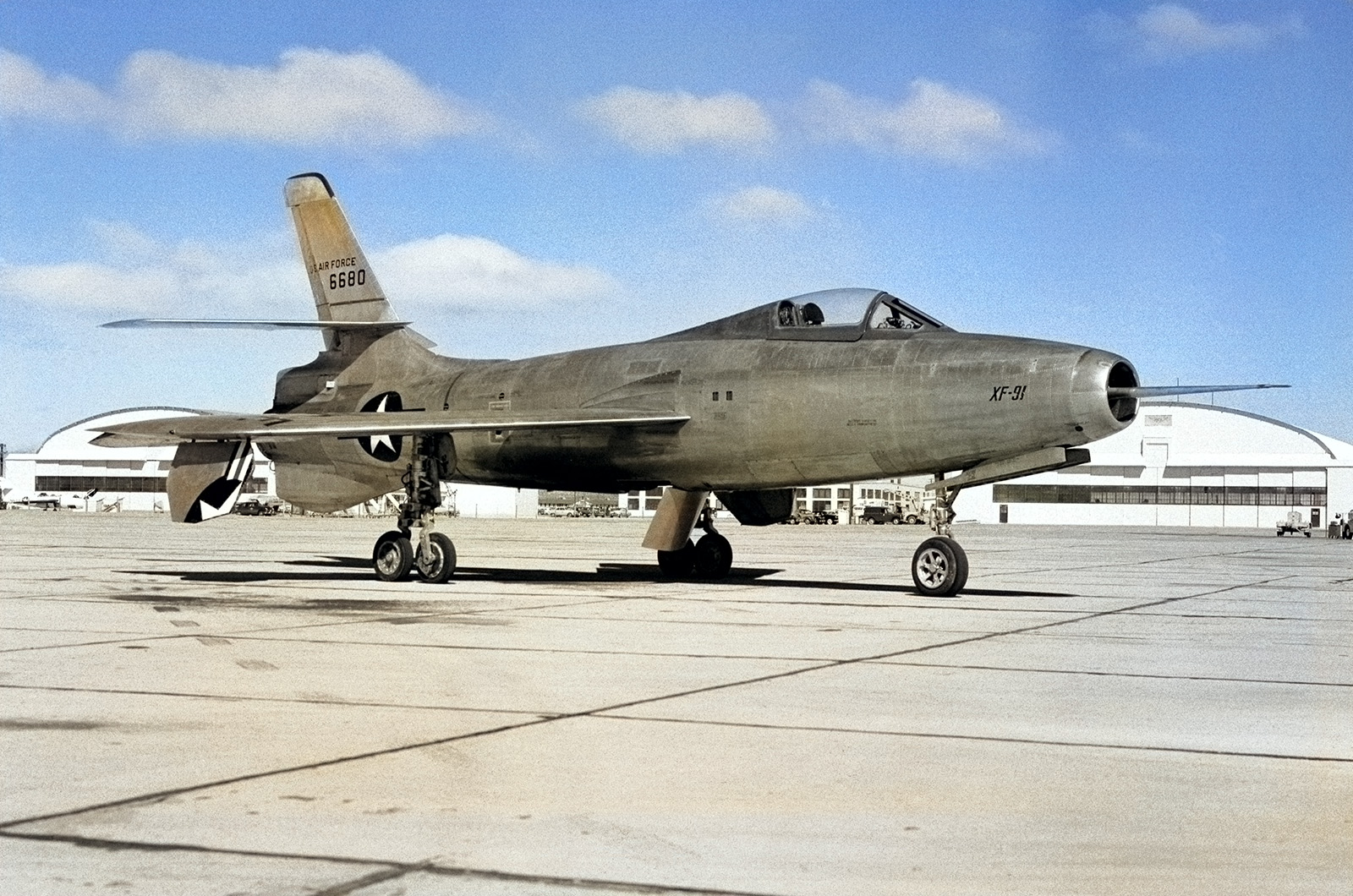
The Republic XF-91 Thunderceptor stands as a prime example of Cold War aviation’s audacious spirit. It boasted a futuristic, almost alien design, coupled with a hybrid propulsion system combining a jet engine and a rocket motor. Its name, “Thunderceptor,” perfectly encapsulated its intended role and daring aesthetic. A key innovation was its distinctive ‘flared’ wing shape, designed to combat the dangerous phenomenon of ‘pitch-ups’ at high speeds.
First taking to the skies in 1948, the XF-91 achieved supersonic speeds in level flight by 1951, marking a significant milestone as the first US fighter, albeit experimental, to break the sound barrier. Its mixed-propulsion system, while exciting, was ultimately rendered obsolete by the rapid advancements in turbojet engine technology, which offered greater thrust and reliability.
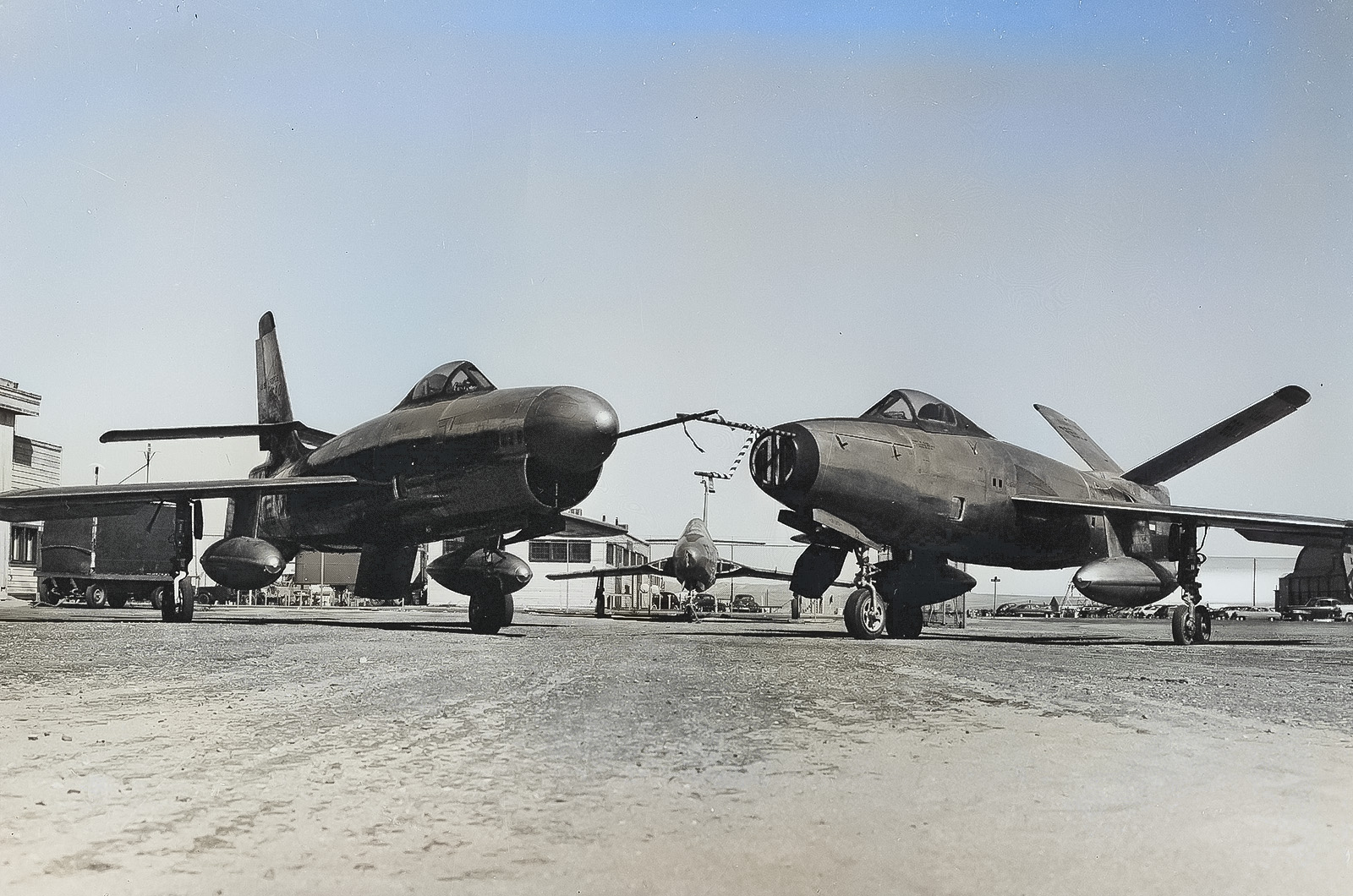
Propulsion for the XF-91 was provided by a General Electric J47-GE-7 turbojet, capable of 5,200 pounds of thrust, which could be boosted to 6,100 pounds with water injection and an impressive 6,900 pounds with its afterburner. Complementing this was a Reaction Motors XLR11-RM-9 liquid-fuelled rocket engine, delivering 6,000 pounds of thrust using a water-alcohol fuel mixture and liquid oxygen as an oxidizer. Other notable mixed-propulsion aircraft of the era included the Avro 720, Saunders-Roe SR.53, and Saunders-Roe SR.177. While rockets offered a temporary surge in power, the complexity of managing two fuel sources and the inherent risks associated with rocket propulsion made it clear that waiting for more powerful pure jet engines was the more pragmatic path forward, a decision the US Air Force ultimately made.
9. Northrop F-20 Tigershark
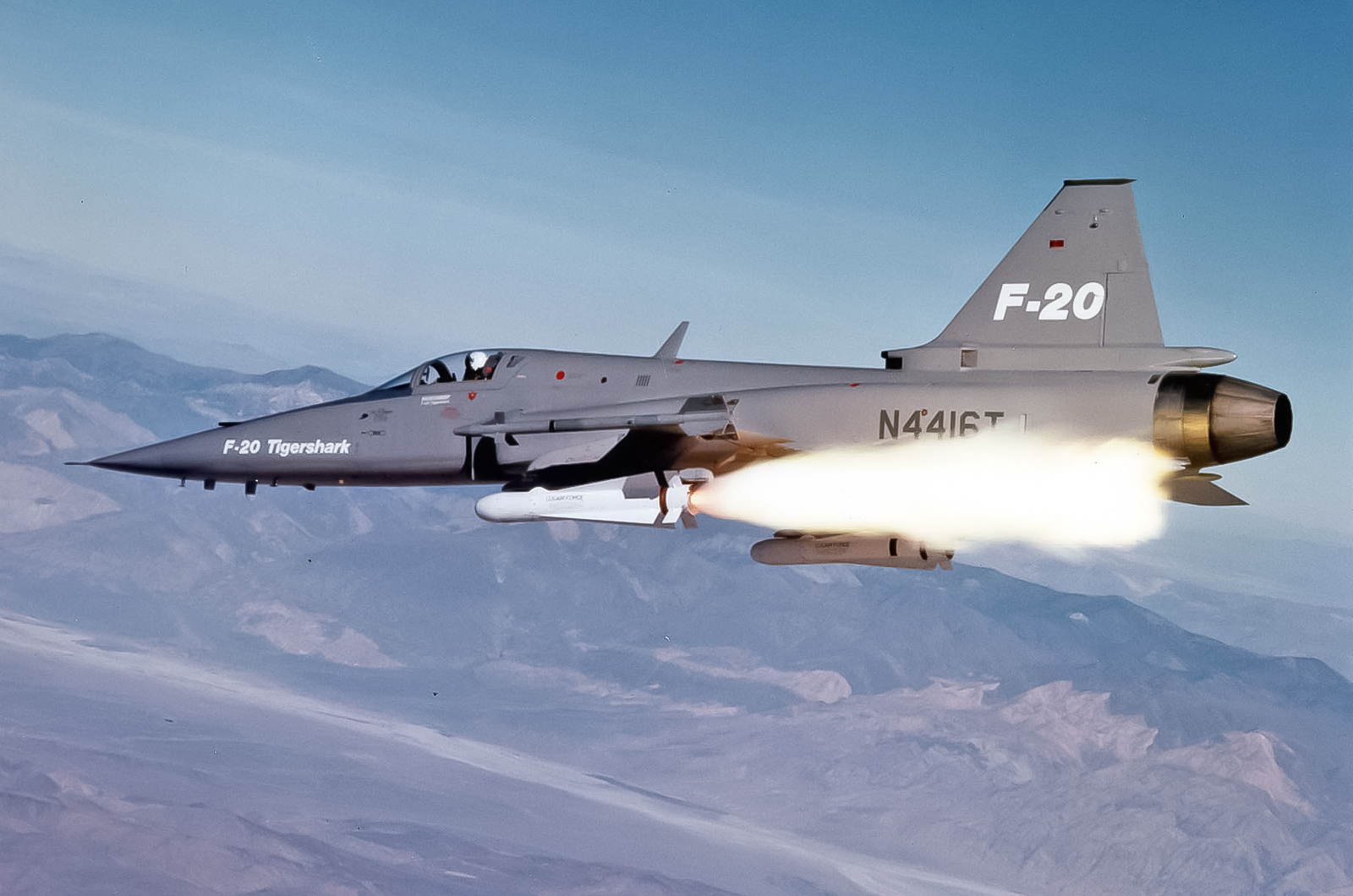
The Northrop F-20 Tigershark was an ambitious evolution of the F-5 light fighter. Unlike its twin-engined predecessors, the F-20 was powered by a single, advanced engine. Its primary purpose was to serve the needs of allied nations that were restricted from acquiring more sophisticated fighters like the F-16. While marginally less performant than the F-16, the Tigershark was designed to be easier to maintain and more cost-effective to operate, although some of its reliability claims might have been somewhat optimistic. The aircraft’s flight trials were exceptionally successful, even garnering enthusiastic endorsement from the legendary Chuck Yeager.
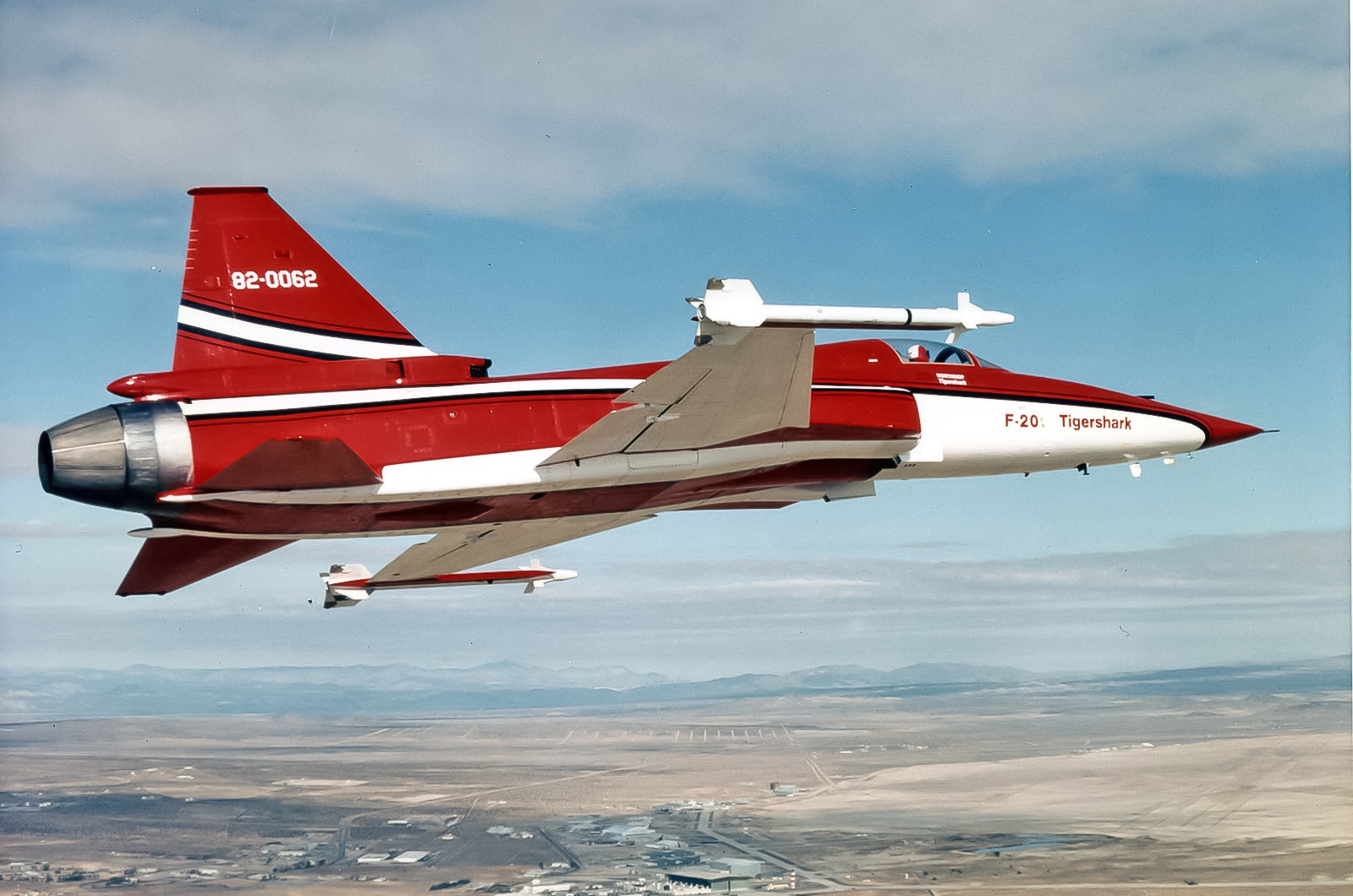
The F-20’s market viability diminished significantly when export restrictions on the F-16 were eased. An attempt to integrate the F-20 into the US Air Force’s aggressor fleet also faltered, possibly due to concerns from General Dynamics and proponents of the F-16 about the Tigershark potentially reaching full production. Ultimately, this privately funded fighter project was shelved. However, it did serve to divert attention from Northrop’s clandestine development of the revolutionary B-2 stealth bomber. The F404 engine that powered the F-20, however, found success in the light fighter market, going on to power aircraft such as the Saab Gripen, KAI FA-50, and Tejas Mk 1.
8. Vought F-8 Crusader III (F8U-3)
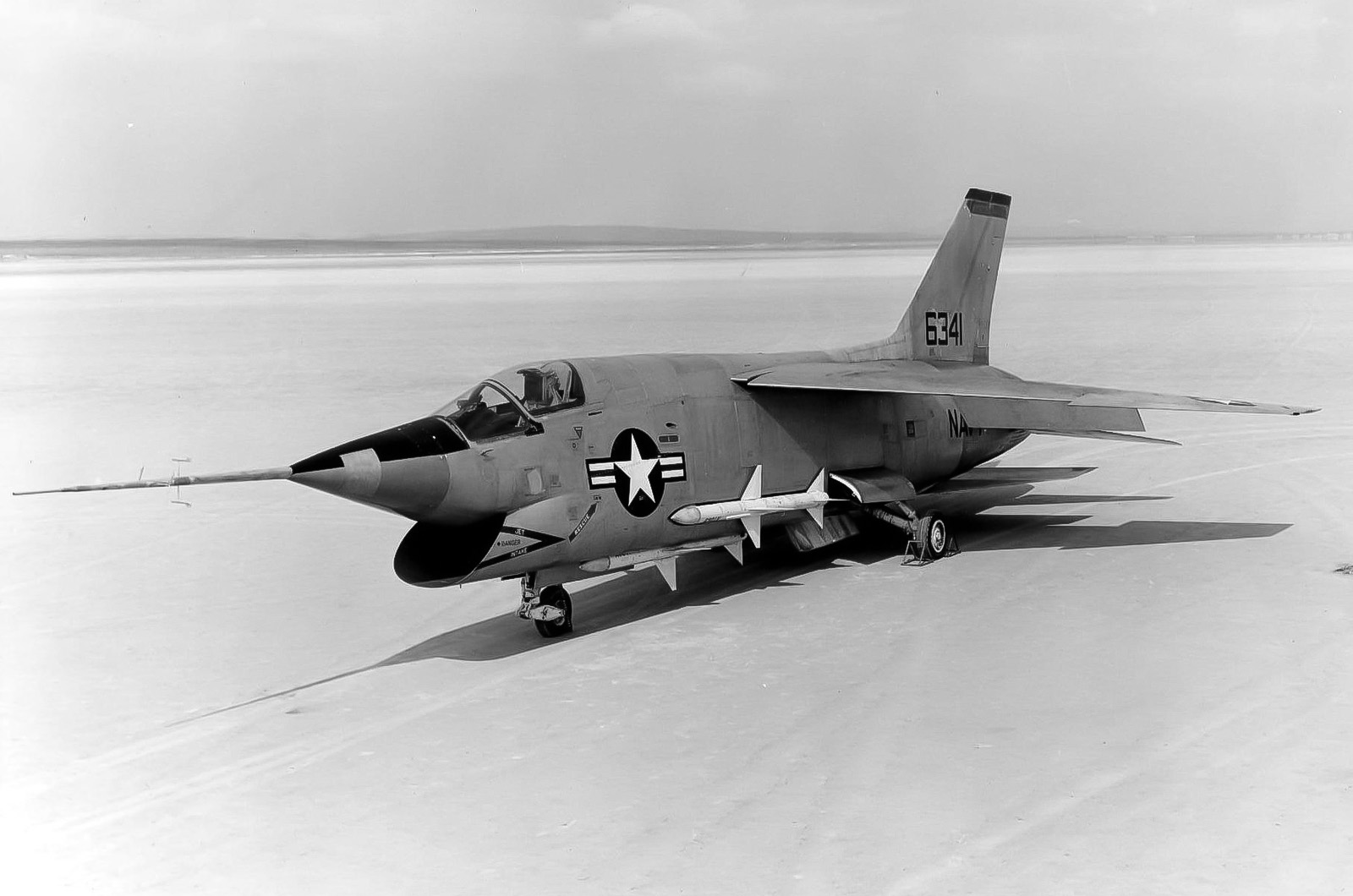
The Crusader III represented a significant leap forward from its F8U Crusader predecessors, pushing performance envelopes to new heights. It featured a prominent chin intake, designed to efficiently manage airflow at speeds approaching Mach 3. Its maximum tested speed reached Mach 2.39. To accommodate its advanced design, the aircraft incorporated ventral strakes so large they required folding mechanisms to avoid damage when the landing gear was deployed.
The armament envisioned for the Crusader III was formidable, including three medium-range radar-guided Sparrow missiles, four heat-seeking AIM-9 Sidewinder missiles, and four 20mm cannons. The aircraft also boasted substantially increased range, speed, and maximum altitude, all while retaining the renowned maneuverability of the earlier Crusaders. Although planned, the guns were never fitted to the prototypes.
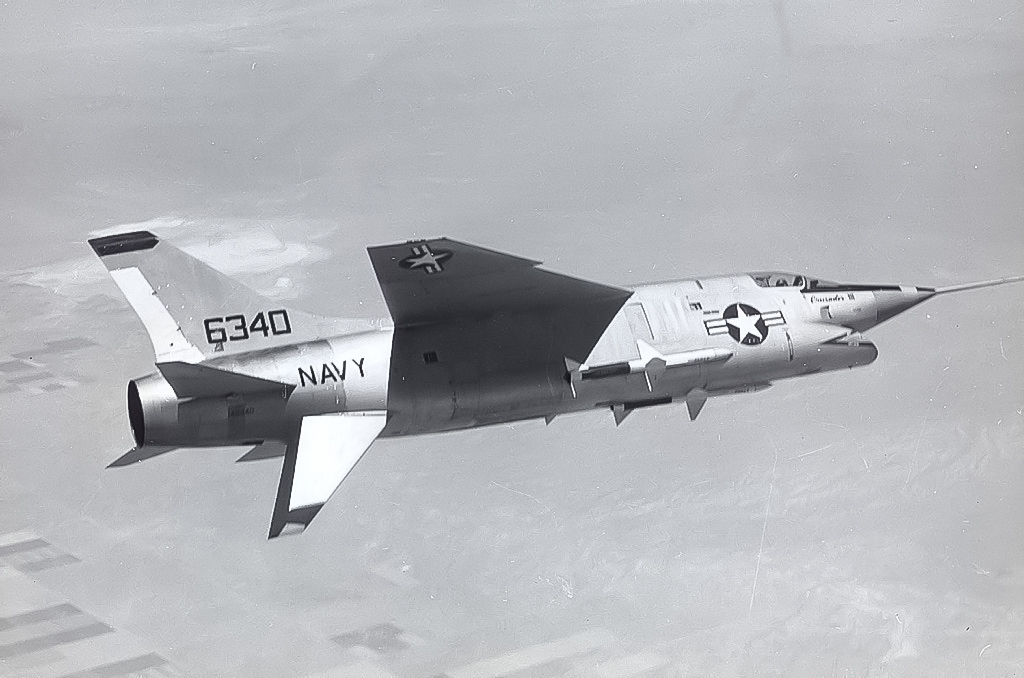
In the skies over Vietnam, the Super Crusader would likely have been an almost invincible adversary, capable of engaging the Vietnamese Air Force’s MiG fighters in dogfights while possessing the speed and acceleration to disengage at will. Despite its superior flight characteristics compared to the competing F4H (later F-4 Phantom II), the F8U had certain limitations that its blistering speed couldn’t entirely overcome. Both aircraft carried the Sparrow missile, but the Phantom II benefited from a second crew member dedicated to weapon system operation. Ultimately deemed too specialised for the US Navy’s requirements, the five F8U-3 prototypes found a second life with NASA. Interestingly, they were later asked to cease intercepting Phantoms during exercises, as their superior performance was proving rather embarrassing for the Navy’s frontline aircraft.
7. IML Addax
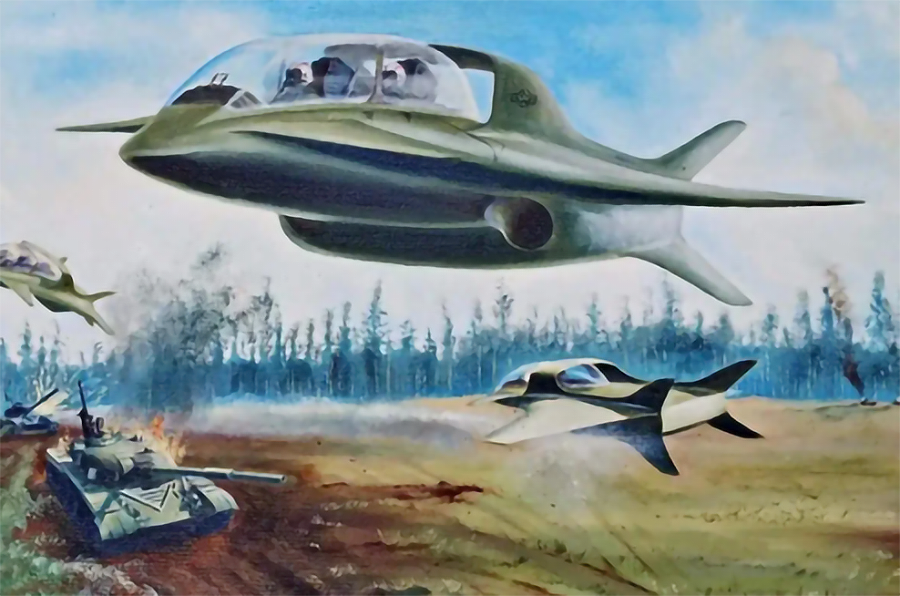
From the late 1970s, the IML Group in New Zealand embarked on a fascinating study, analysing existing combat aircraft to conceptualise a superior solution. Their ambitious concept, the Addax, was exceptionally bold. The Addax-1 was envisioned to be powered by two vectored-thrust turbofan engines, each producing around 10,000 pounds of thrust, with likely candidates being the Rolls-Royce Spey or TF34.
The aircraft’s aerodynamic configuration was highly unconventional, featuring a ‘self-stabilising aerofoil’ formed by the fuselage situated between twin tail booms. This design, coupled with upper surface blowing across all lifting surfaces, was intended to grant the aircraft exceptional short take-off and landing (STOL) capabilities. Its internal weapon bays could accommodate up to ten 1,000-pound bombs, with an additional 3,000 pounds of ordnance mountable on external pylons.
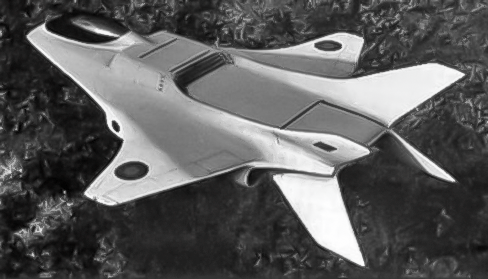
The proposed gun armament was equally ferocious, featuring either four 30-mm Oerlikon cannons or two 20-mm M61A1 Vulcan rotary cannons. The Addax-1 was projected to achieve a maximum speed of 740 mph and possess a tactical radius of 480 miles when carrying its maximum bombload. The Addax-S variant was even more impressive, conceived as a supersonic air-superiority fighter based on the same platform, promising outstanding manoeuvrability. While the New Zealand government never committed to funding either Addax project, these designs offered a tantalising glimpse into alternative evolutionary paths for fighter aircraft. Released in 1982, the Addax concepts still appear remarkably futuristic compared to many contemporary aircraft programmes.
6. Lockheed’s Armed Blackbirds (RB-12 / F-12)
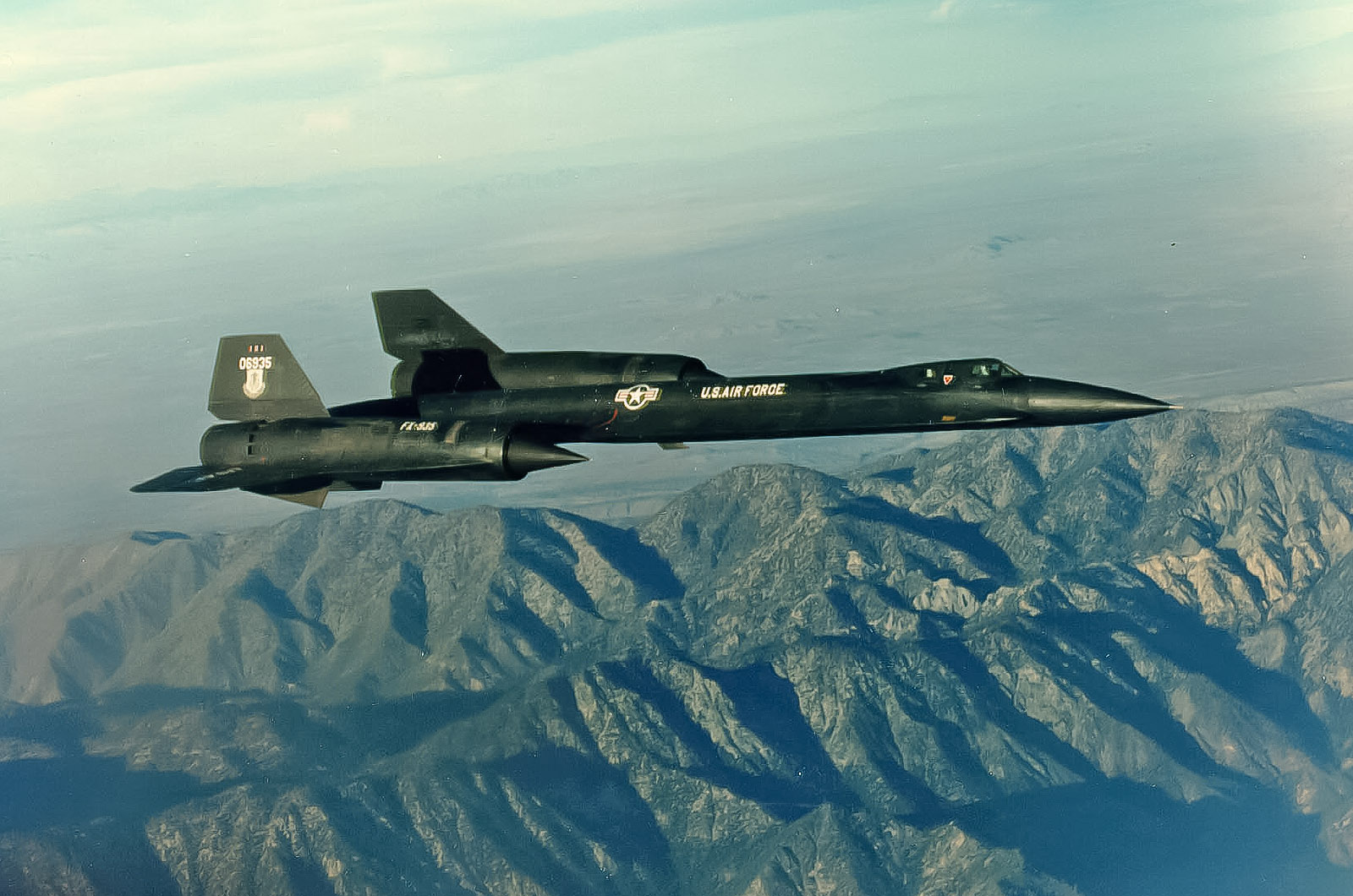
In January 1961, the legendary Lockheed aeronautical engineer Kelly Johnson presented an unsolicited proposal to the US Air Force. His vision was to adapt the Mach 3 A-12 spy plane – the precursor to the iconic SR-71 Blackbird, which Johnson had developed for the CIA – into a high-speed strategic bomber, designated RB-12. Concurrently, Johnson was developing a missile-armed variant of the A-12, intended to be designated F-12 had it entered service. The Air Force showed interest in Johnson’s bomber concept, proposing a slightly modified version of their own, which they termed the RS-12.
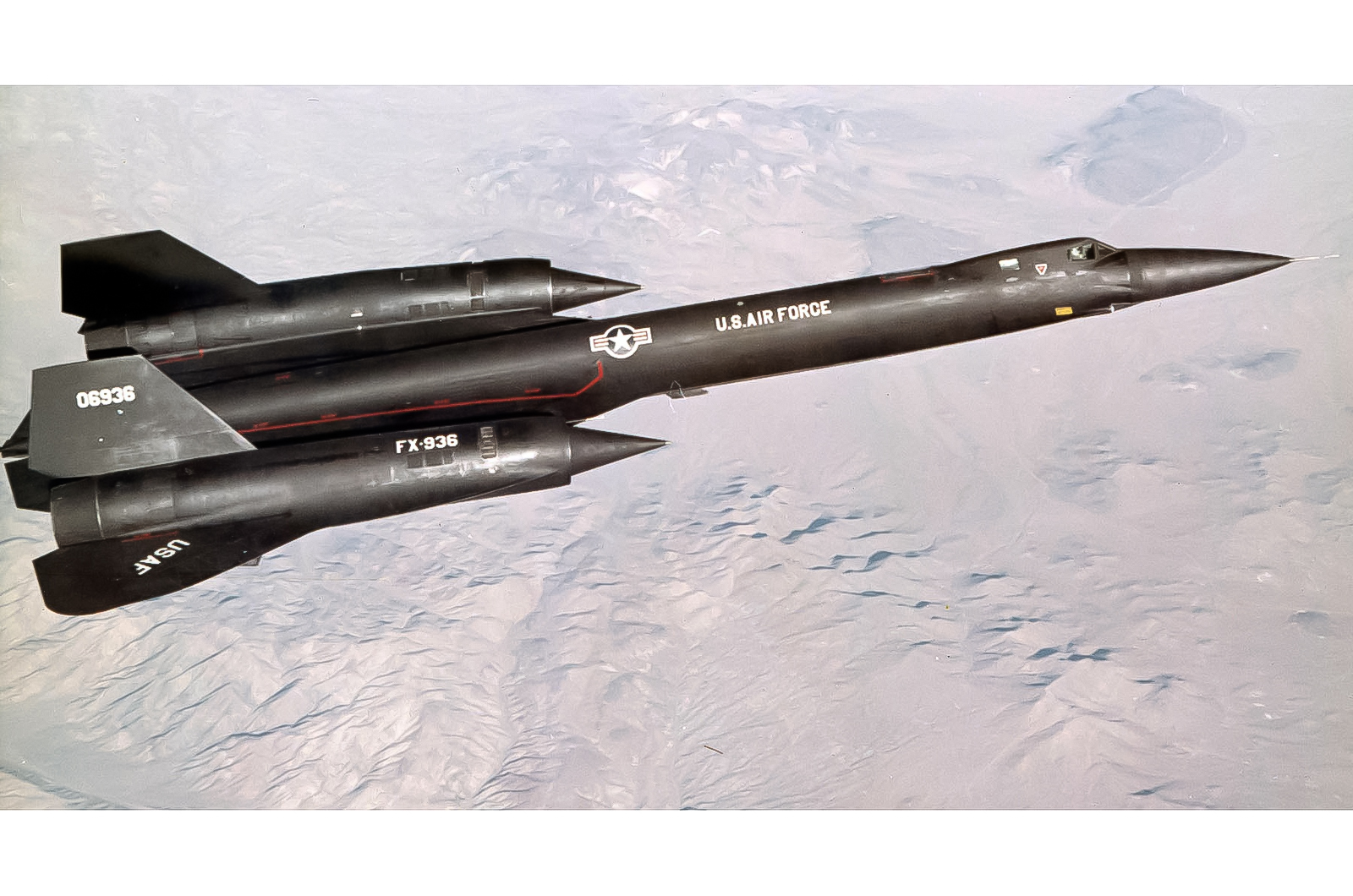
The core idea was to leverage the A-12’s distinctive titanium airframe, powered by its potent J58 turbojet engines, and equip it with advanced, long-range radar and a nuclear-tipped air-to-ground missile derived from the AIM-47 (originally the GAR-9 air-to-air missile) that would also arm the F-12. The RS-12 was envisioned to penetrate Soviet airspace at Mach 3.2 and altitudes of 80,000 feet, launching a single missile from a range of 50 miles with remarkable accuracy, capable of striking within 50 feet of its target in a Soviet city. However, the Department of Defense ultimately cancelled the F-12 due to cost concerns and opted not to proceed with the RS-12 bomber variant.
5. North American XB-70 Valkyrie
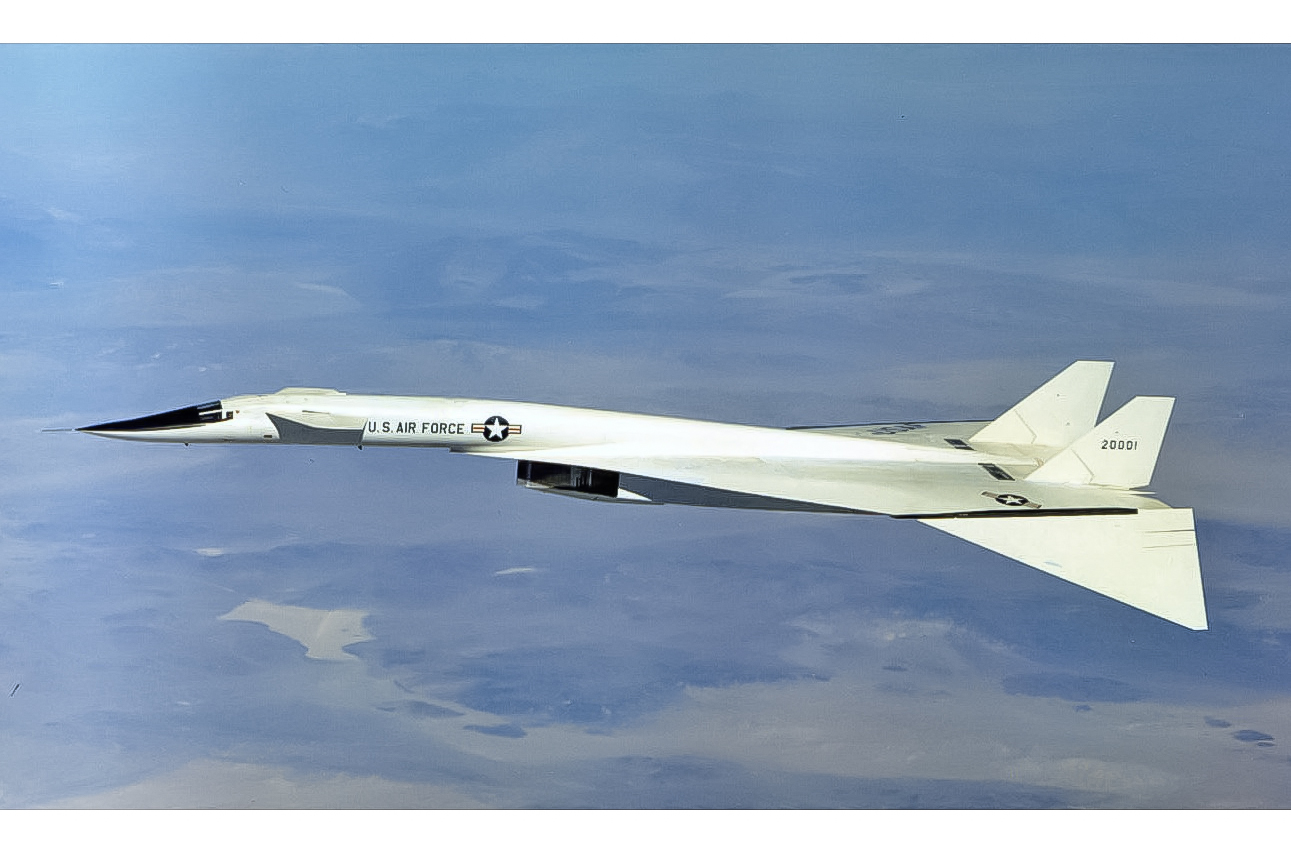
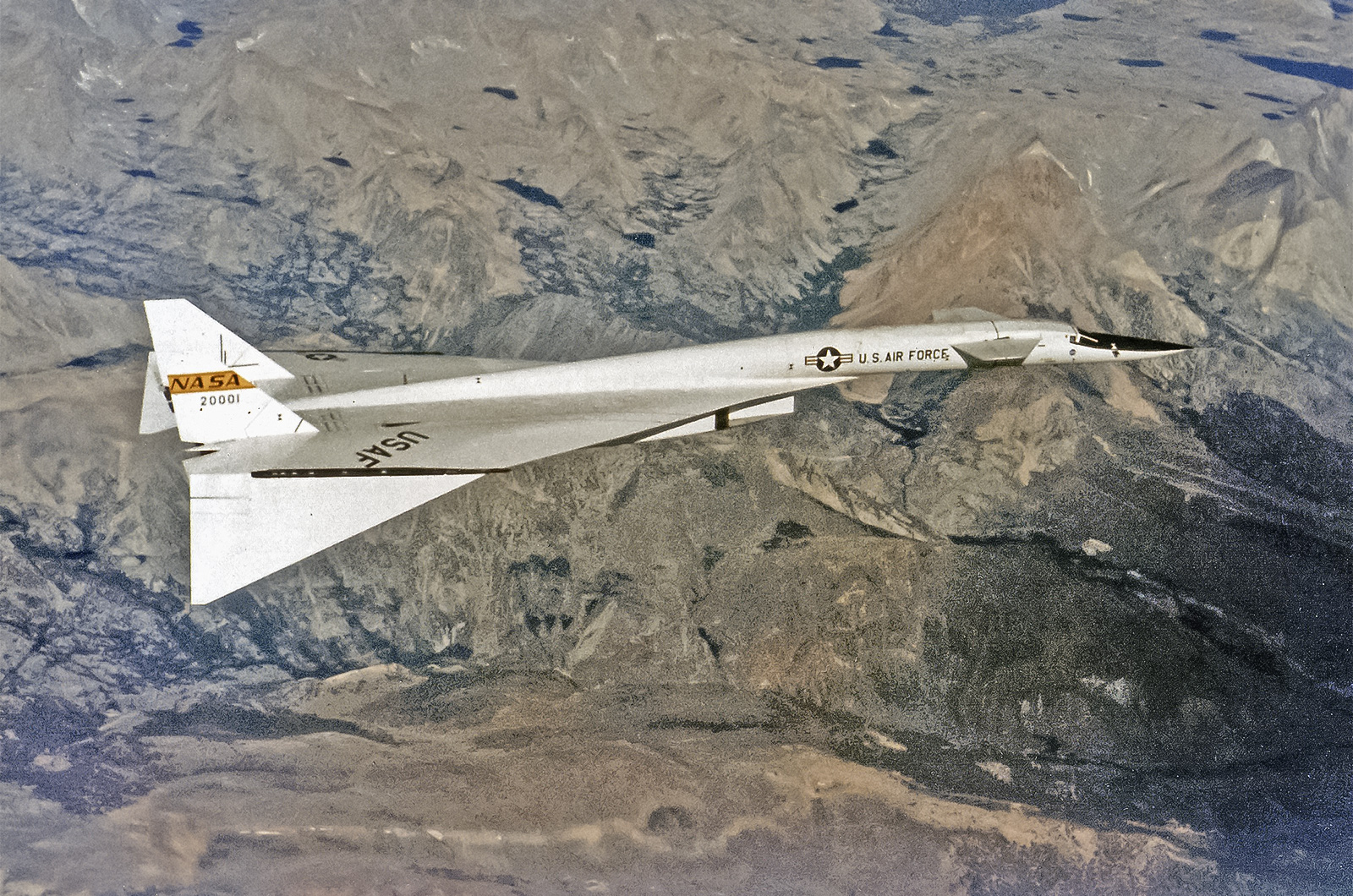
Angular and possessing a distinctly space-age aesthetic, the vast XB-70 Valkyrie was arguably one of the most impressive aircraft ever flown. Capable of speeds exceeding Mach 3 and with a maximum all-up weight surpassing 236,000 kg, this cancelled bomber project was an extraordinary feat of engineering. The Valkyrie was conceived in response to a 1954 requirement for a B-52 bomber replacement, necessitating an aircraft with strategic reach that could deliver nuclear weapons against the Soviet Union with impunity. The requirements steadily escalated, demanding ever-higher top speeds.
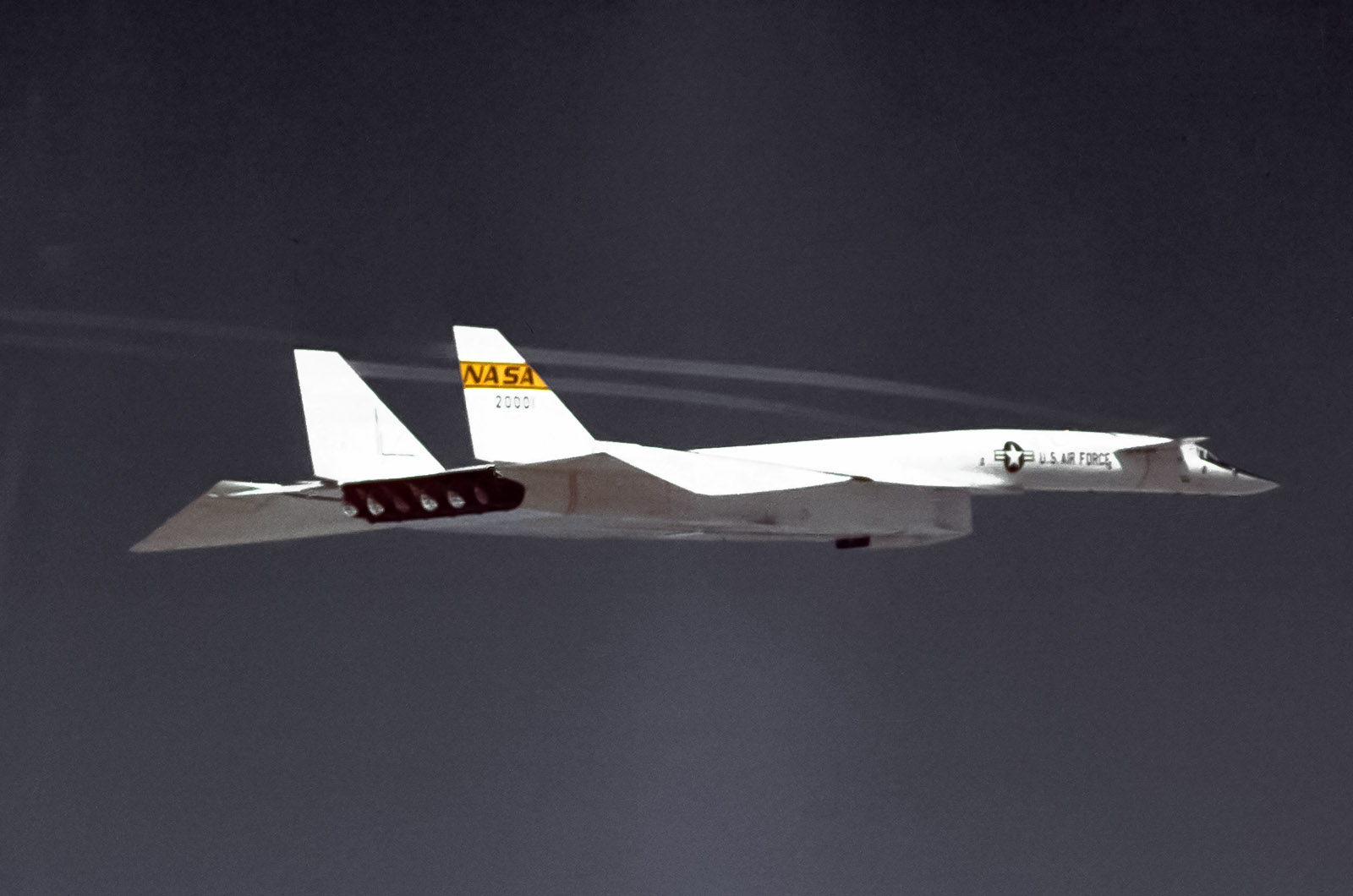
The Valkyrie was propelled by an astonishing six General Electric YJ93-GE-3 turbojets. Each engine could generate 28,000 pounds of thrust with afterburning, resulting in a combined total of 168,000 pounds of thrust – more than ten times the power of the Mach 2 capable F-104 Starfighter. Beyond its dramatic intakes and exhausts, the XB-70’s striking appearance was further enhanced by its massive delta wing, featuring movable outer sections, and large canard foreplanes. It is arguable that no other aircraft has ever blended such a potent combination of aggressive power, elegant aesthetics, and immense scale as the Valkyrie.
4. Mikoyan-Gurevich MiG-25 ‘Foxbat’
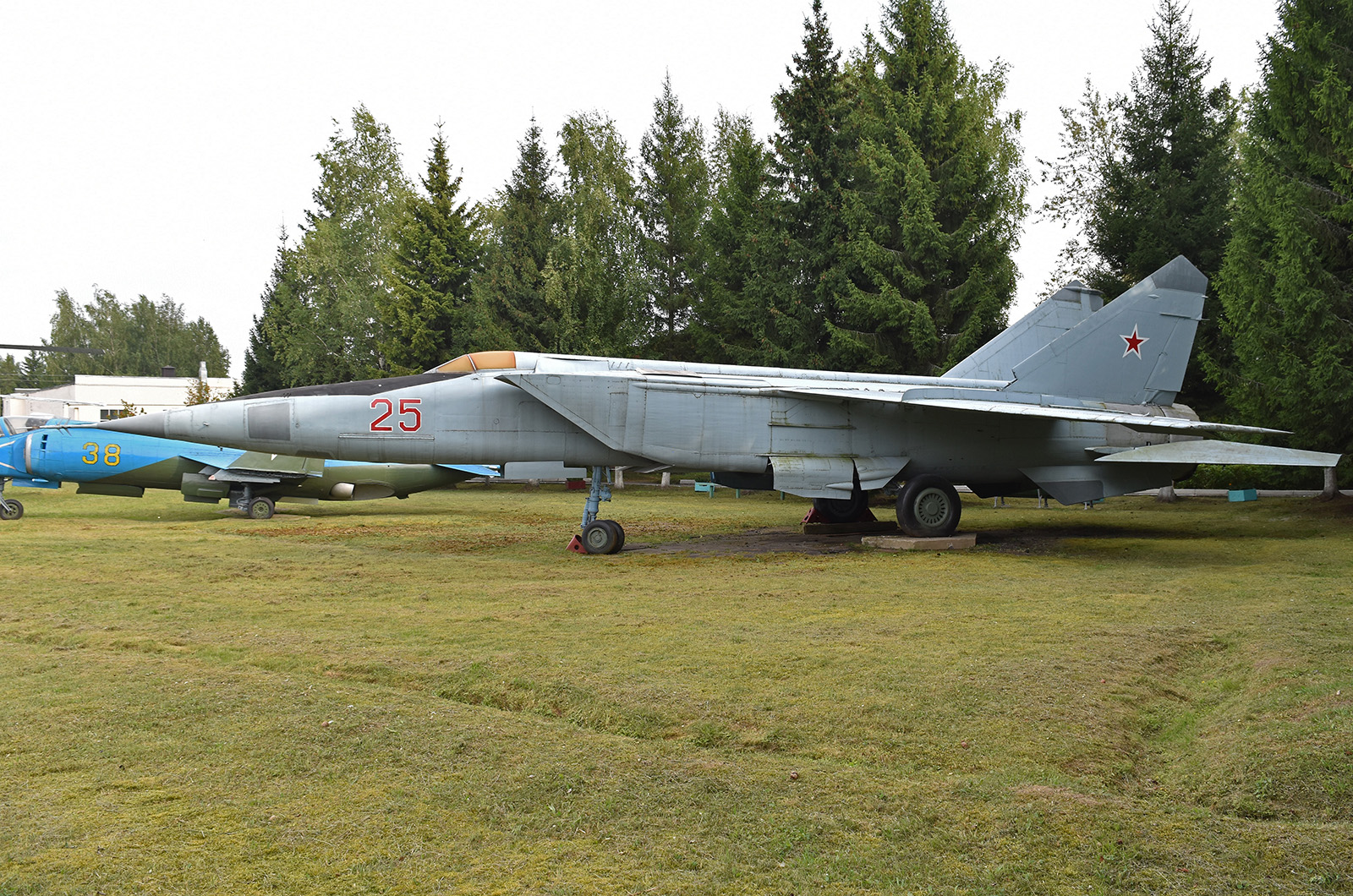
The appearance of the MiG-25 ‘Foxbat’ (initially misidentified in the West as the ‘MiG-23’) sent shockwaves through Western defence planning circles. The aircraft was exceptionally fast, outperforming any operational Western fighter of the time, and was widely expected to be equipped with advanced systems. It also served as a reconnaissance platform. The deployment of Soviet MiG-25s and their pilots to Egypt in March 1971, and their subsequent unopposed overflights of Israel, delivered a significant blow to Western confidence. Although their direct contributions to Egyptian security and intelligence were minimal, their impact on Israeli perceptions of security was profound.
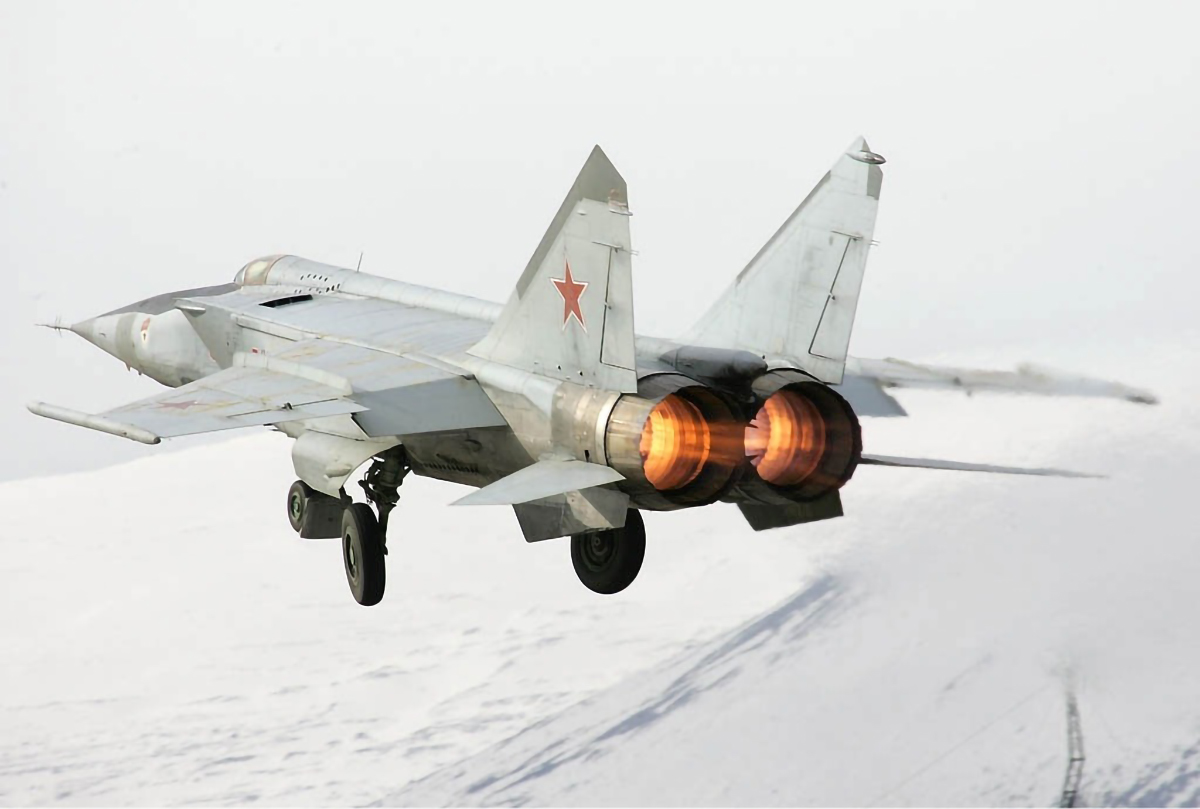
Even with just two Mach 2.5 overflights per month, the inability of Israeli F-4 Phantoms and French Mirage IIIs to intercept and destroy the Foxbats raised serious concerns in both Tel Aviv and Washington regarding the capability of Western aircraft to counter what was perceived as the most dangerous Soviet aircraft developed to date. As a fighter-interceptor, the MiG-25 proved far more potent than initially anticipated. In Iraqi service, it is credited with shooting down at least two Iranian F-4 Phantoms during the Iran-Iraq War. During Operation Desert Storm, a MiG-25 is also recorded as having downed a US Navy F/A-18 Hornet. The MiG-25 lineage continued with the development of the more advanced derivative, the MiG-31.
3. Dassault Mach 3 Mirage (1958 onwards)
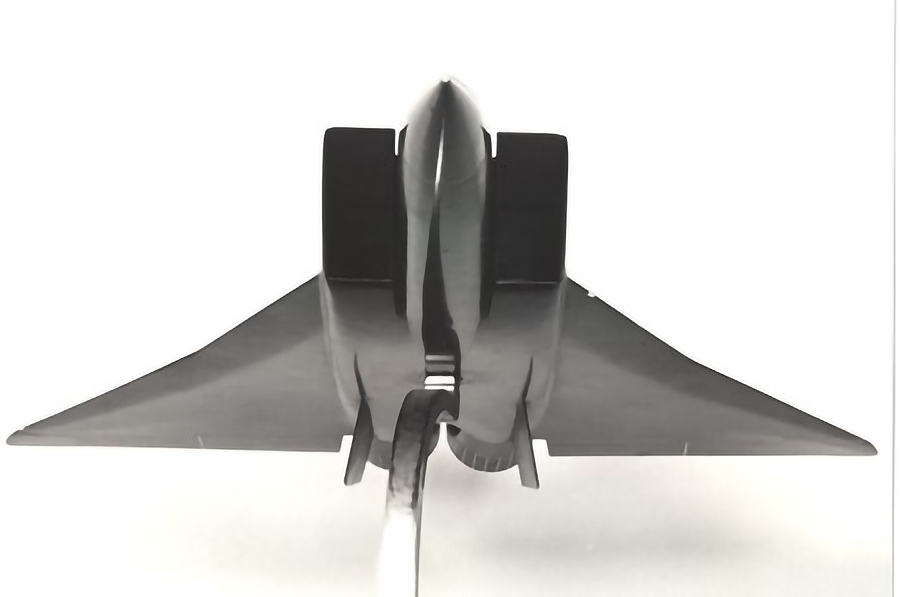
Driven by the prevailing desire for increasingly faster aircraft, Nord Aviation and Dassault initiated studies into Mach 3+ fighters from 1958, under the designations Super Griffon and Mirage VIA, respectively. These projects were initially deemed overly ambitious and received low priority. However, by 1964, it became apparent that both the United States and the Soviet Union were developing Mach 3-capable warplanes. This prompted the Centre de Prospective et d’Evaluations (CPE) to issue a call for tenders for extremely fast aircraft on December 14, 1965, to Bréguet, Dassault, Nord, and Sud Aviation. Proposals from Dassault and Sud were accepted in May 1966.
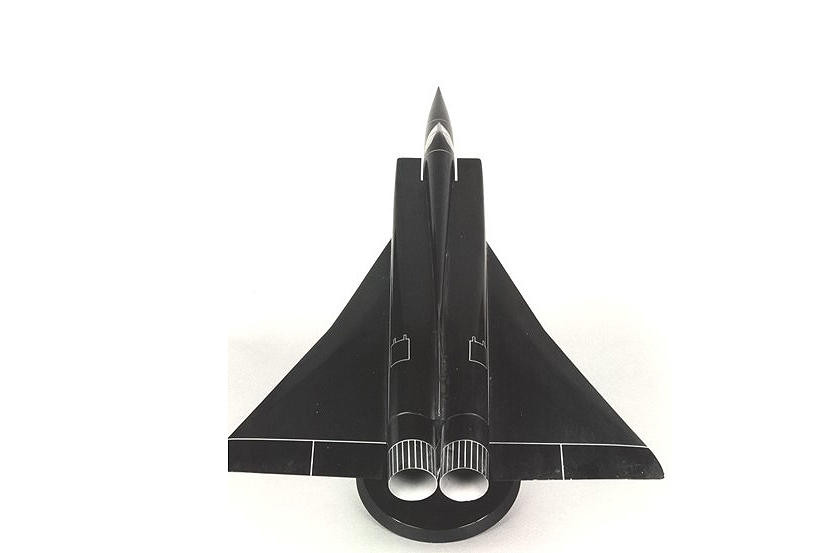
The initial concepts were for large, unwieldy, long-range strike aircraft, which diverged from the preferences of the French Air Force’s Chief-of-Staff, Général Gabriel Gauthier. He instead advocated for a lighter, Mach 3 (later revised to Mach 2.7)-capable fighter with excellent agility at lower speeds. Looking back with hindsight, Gauthier’s vision appears to have been prescient. The variable geometry G4 design was significantly modified to become the Mirage G8A, or Avion de Combat Futur (ACF), a fixed-wing development of the G8. This 14,000 kg aircraft was the subject of studies between 1973 and 1975 before being deemed too expensive to be practical.
2. Mikoyan-Gurevich Ye-150 Series (1959)
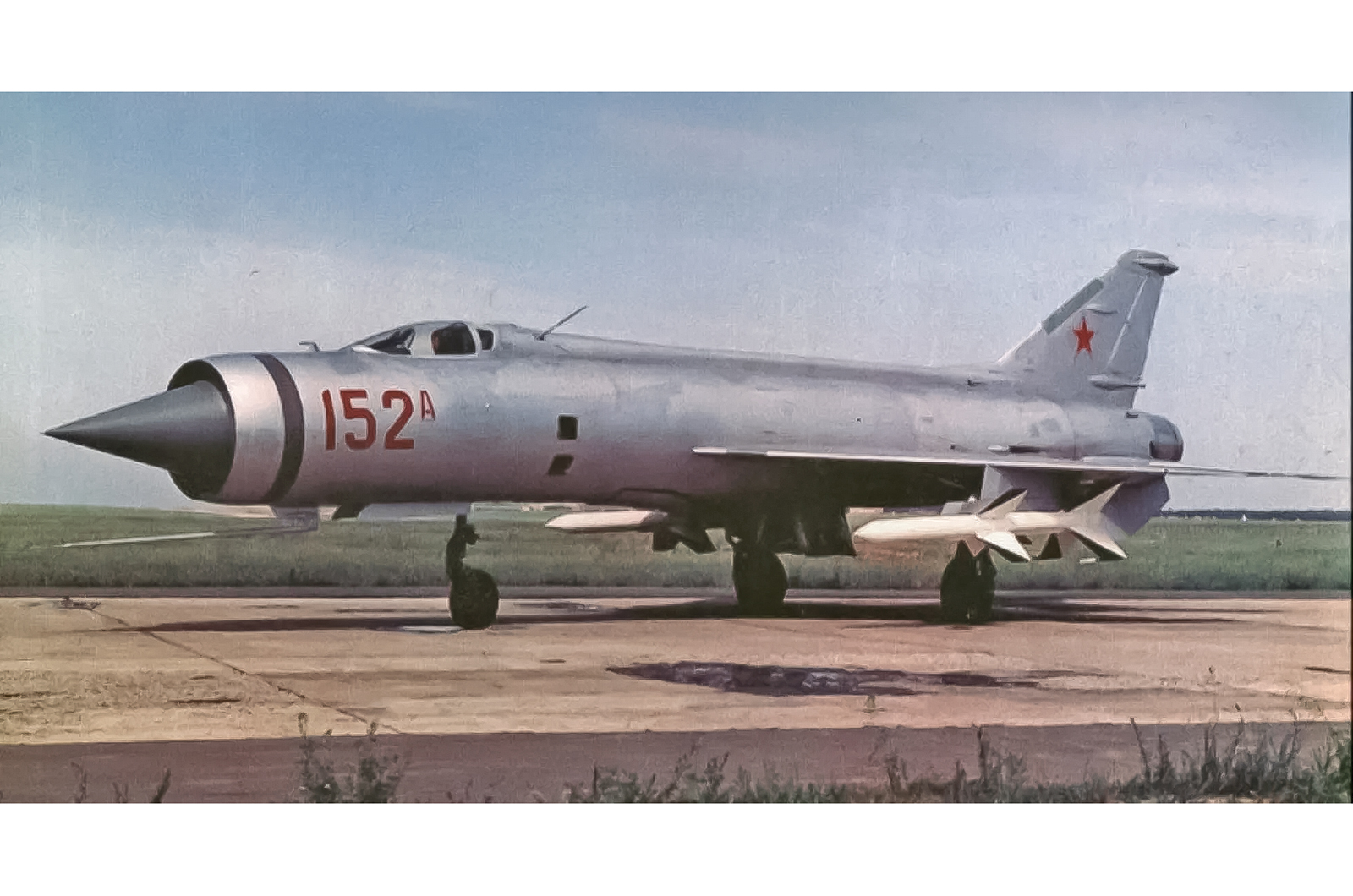
The Mikoyan-Gurevich Ye-150 series represented an attempt to answer the question of what would happen if a MiG-21 was significantly scaled up and fitted with substantially more power. These aircraft were designed to out-drag and out-climb any fighter in the world, possessing an exceptionally menacing appearance. Despite its first flight dating back to 1959, the Ye-150 was capable of reaching an astonishing Mach 2.65 (with some sources claiming even higher speeds) and could ascend to altitudes exceeding 69,000 feet. Remarkable, this performance was achieved with the same installed thrust as today’s more conventional Saab JAS 39 Gripen, which has a top speed of Mach 2. The series comprised four experimental fighter prototypes developed to create a highly automated new fighter capable of defending the Soviet Union against a growing Western threat.
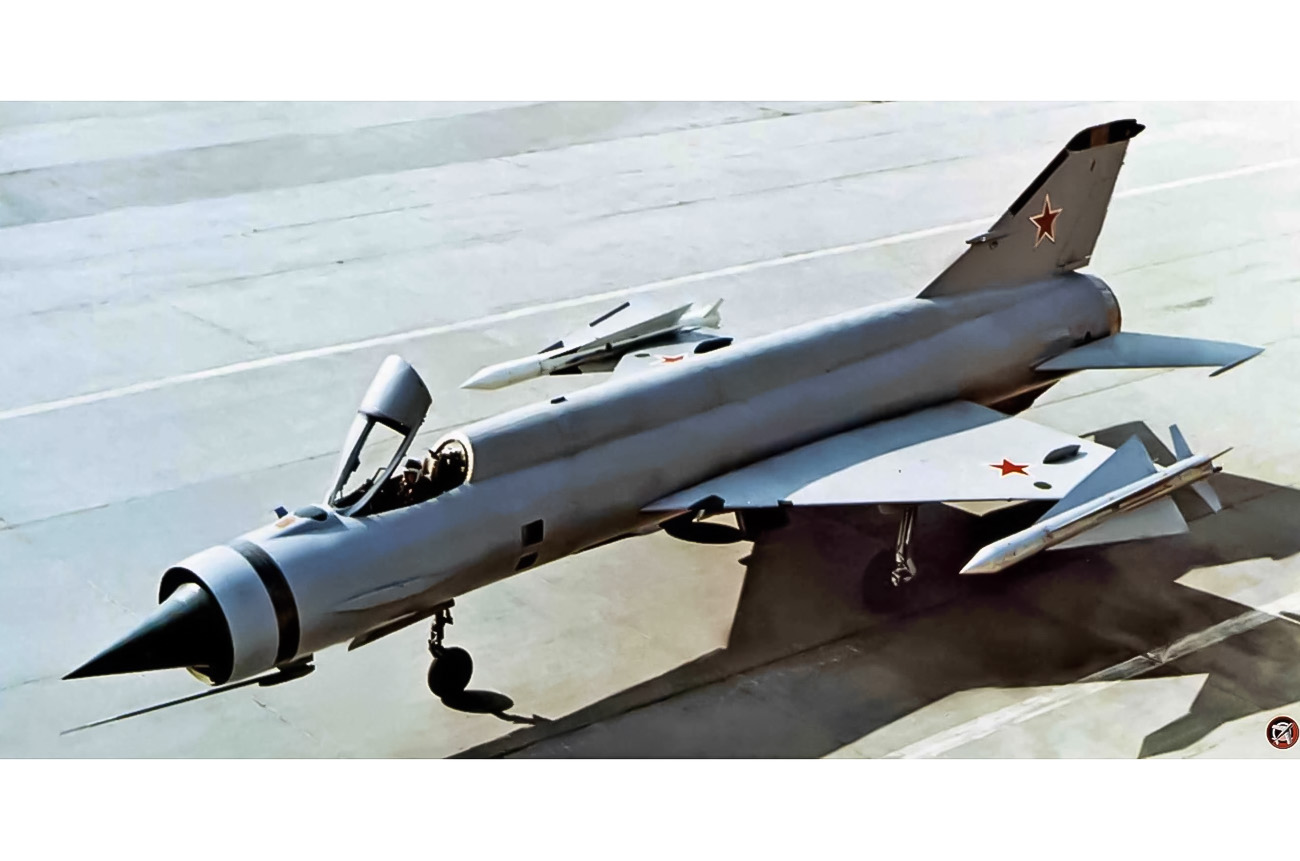
The objective was to intercept and destroy fast, high-flying intruders, including supersonic bombers like the B-58 then under development. The interceptor was intended to be automatically guided by ground radars before engaging its own advanced detection and weapon systems. However, the project suffered from being too advanced for its time. The exceedingly demanding requirements for the electronics, missiles, and powerplant led to severe delays and development problems. What could have been the world’s premier interceptor was ultimately cancelled in 1962.
1. Project Pluto
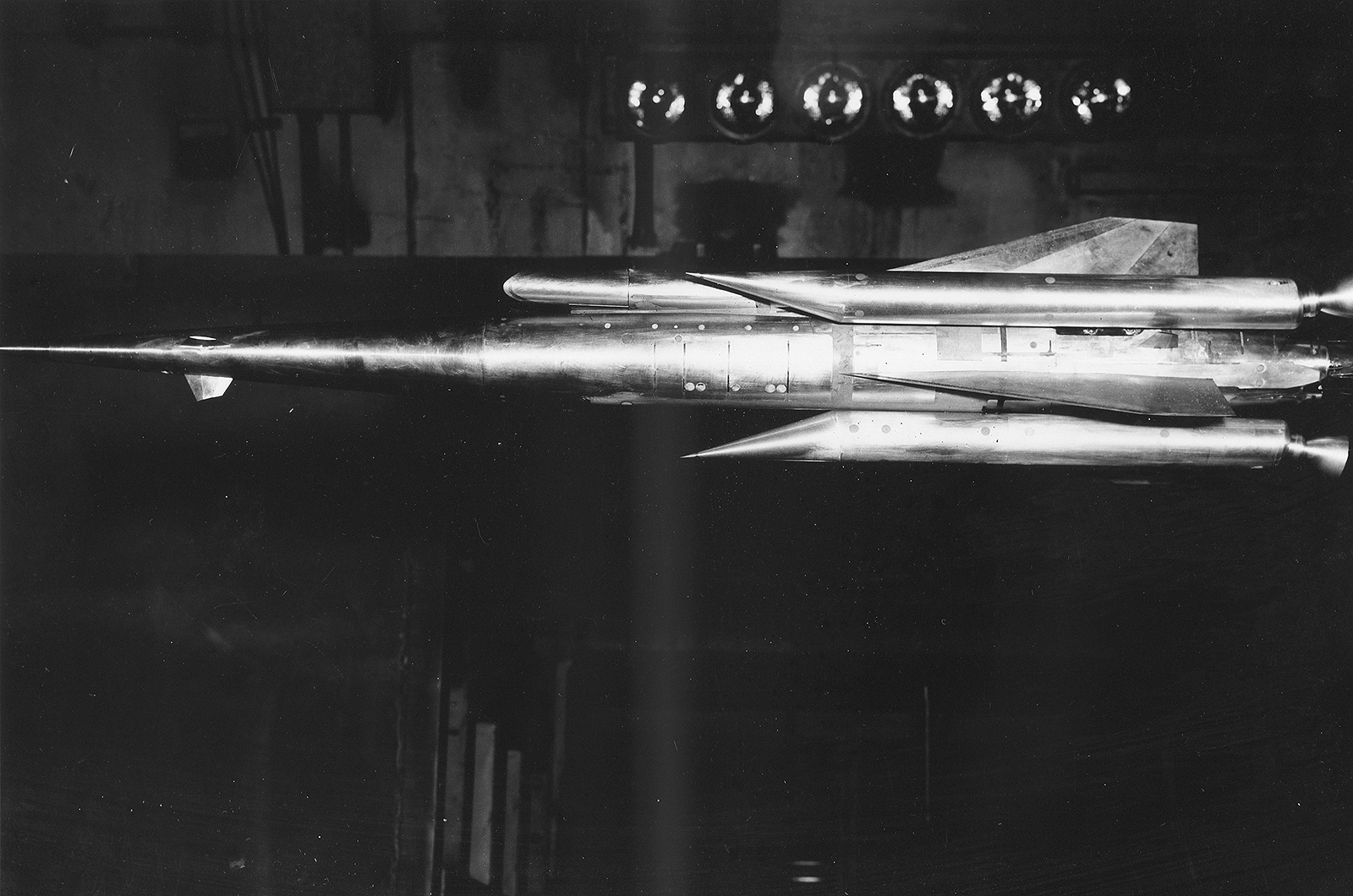
In ancient Greek mythology, Pluto was the ruler of the underworld and the lord of the dead. This grimly fitting name was assigned to one of the most disturbing weapons projects of the Cold War: Project Pluto. This was not a crewed aircraft but a plan for a truly ghastly weapon. The concept was straightforward: embed a nuclear ramjet engine within a cruise missile. A nuclear ramjet functions by using a nuclear reactor to heat air and generate thrust. Designated as the Supersonic Low-Altitude Missile (SLAM), the resulting weapon would have travelled at over Mach 3, rendering it virtually immune to interception by the air defence systems of the era.
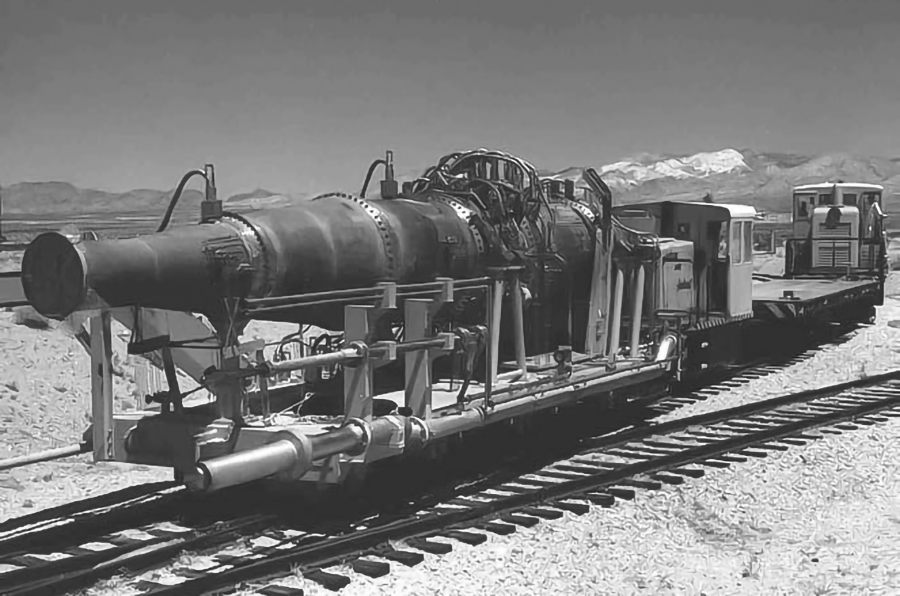
With an endurance measured in weeks, or even months, this Cold War weapon, roughly the size of a locomotive, could deploy multiple nuclear warheads. It would then leisurely cruise, potentially for extended periods, leaking deadly radiation over vast areas of land before eventually crashing to earth. Its onboard nuclear reactor would disintegrate upon impact, adding further devastation to already ravaged landscapes. This was unequivocally one of the most ill-conceived ideas ever seriously considered. Testing such a weapon would have involved irradiating significant tracts of land, causing immense and long-lasting environmental damage, even before addressing the disposal of the nuclear reactor at the end of a test flight. The equivalent of $2 billion was spent on this mad concept before its cancellation in 1964.