The Importance of Transparency in the Extractive Sector
Billions of dollars are lost annually due to weak transparency and accountability in the extractive sector. These losses, which can amount to hundreds of billions of dollars, are often attributed to corruption, tax evasion, and poor governance. For resource-rich countries like Uganda, these figures are not just numbers; they represent missed opportunities for development, public services, and improved citizen welfare. This underscores the urgent need for stronger, enforceable transparency frameworks.
According to Global Financial Integrity (2025), developing countries continue to lose tens of billions of dollars each year from the oil, gas, and mining sectors. This loss is driven by illicit financial flows, opaque licensing processes, trade misinvoicing, and weak accountability mechanisms. Different studies estimate that developing economies lose over US$80-90 billion annually in illicit financial flows linked to extractive industries and commodity trade. These losses are largely due to limited transparency, weak oversight, and inadequate legal enforcement mechanisms.
The Role of EITI in Promoting Transparency
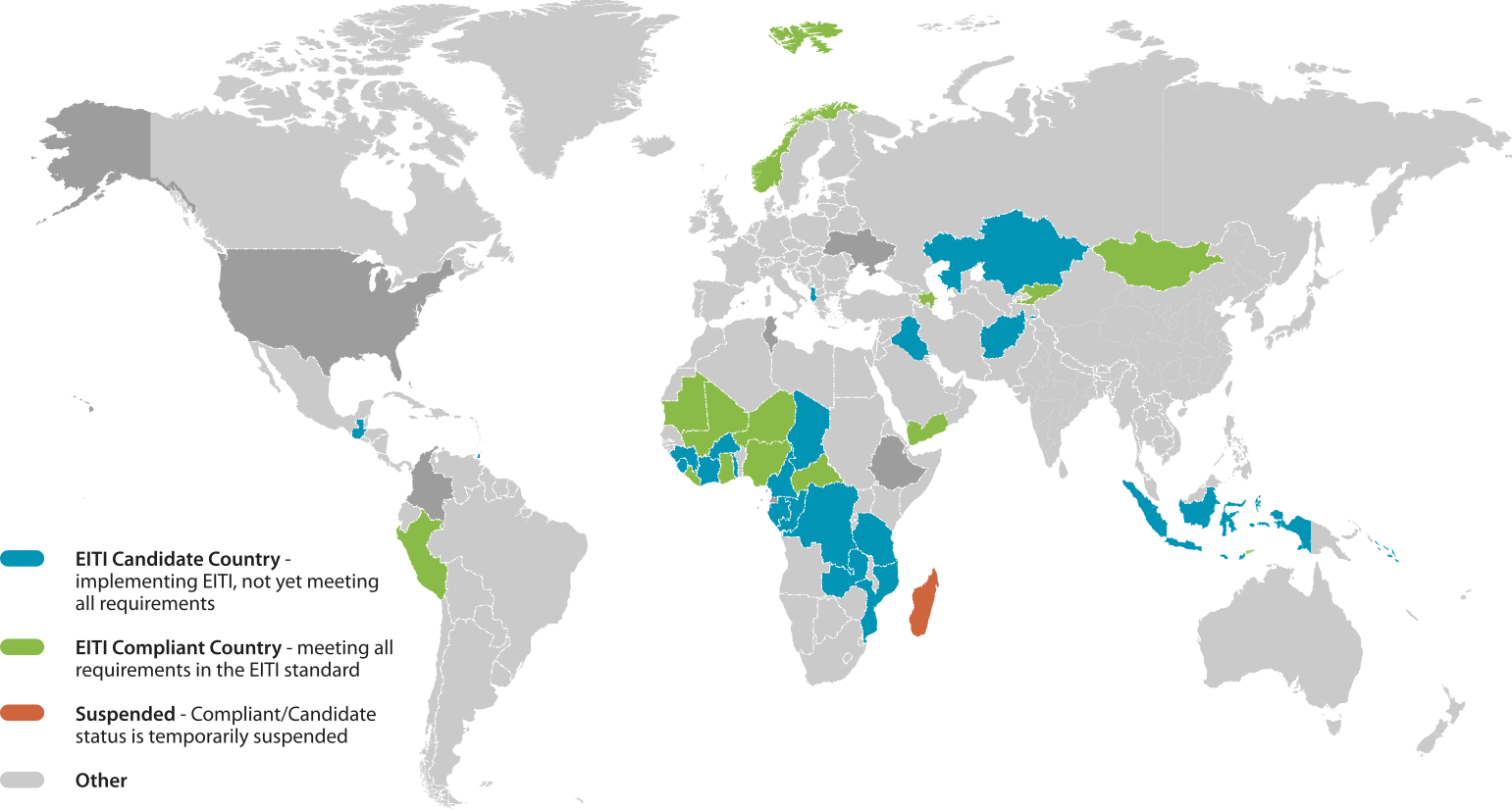
The Extractive Industries Transparency Initiative (EITI) has become a global benchmark for transparency and accountability in the oil, gas, and mining sectors over the past two decades. With over 50 implementing countries, EITI has significantly contributed to improving public disclosure of revenues, contracts, and beneficial ownership.
However, despite these gains, a fundamental gap persists: in many countries, EITI remains a voluntary, policy-driven framework rather than a binding legal obligation. If EITI is to fully deliver on its promise of strengthening natural resource governance and ensuring tangible benefits for citizens, it must be anchored in robust national legislative frameworks.
EITI and the Need for Enforceability
At its core, EITI is about transparency leading to accountability and, ultimately, to development outcomes. However, transparency without enforceability risks becoming performative. Countries that have embedded EITI into law, such as Norway, Nigeria, Senegal, and the Philippines, demonstrate stronger institutionalization, continuity, and compliance.
For instance, Nigeria’s NEITI Act of 2007 transformed EITI implementation from an ad hoc exercise into a statutory mandate. This empowered the national secretariat to compel disclosures, audit companies, and recommend reforms. Through its statutory mandate, the Nigeria Extractive Industries Transparency Initiative has facilitated the identification and recovery of over US$9 billion in previously unremitted revenues since 1999. This demonstrates how legally enforced transparency can translate into tangible fiscal gains.
In contrast, countries that rely solely on administrative directives or voluntary compliance often struggle with inconsistent reporting, limited stakeholder engagement, and weak follow-through on recommendations. As of recent assessments, fewer than half of EITI implementing countries have enacted dedicated EITI legislation or integrated its provisions into existing laws. This disparity creates a two-tier system: one where transparency is institutionalized and impactful and another where it remains fragile and reversible.
EITI and Global Energy Transition
According to EITI reports globally, EITI implementation has led to the disclosure of more than US$2.8 trillion in government revenues from extractive industries. In Africa alone, EITI countries collectively report hundreds of billions of dollars annually from oil, gas, and mining sectors. Countries like Ghana, Zambia, and the Democratic Republic of Congo have used EITI reporting to identify discrepancies, improve tax collection, and strengthen licensing processes. In Mongolia, EITI disclosures have enhanced public understanding of mining revenues, while in Iraq, they have supported post-conflict reconstruction efforts.
Importantly, EITI has also contributed to cost savings and revenue recovery. Across implementing countries, billions of dollars have been identified as lost, misreported, or misallocated revenues, much of which have been recovered or are under investigation. In the oil and gas sector alone, EITI processes have helped governments uncover underpayments, improve production tracking, and renegotiate contracts. In mining, transparency around royalties and export volumes has reduced opportunities for illicit financial flows.
The Evolving Scope of EITI
Beyond revenue transparency, EITI is increasingly relevant in the context of the global energy transition and climate change. The initiative has expanded its scope to include disclosures on environmental impacts, state-owned enterprise operations, and the role of extractives in low-carbon transitions. Countries like Colombia and Indonesia are using EITI platforms to report on emissions, renewable energy investments, and fossil fuel subsidies. This evolution positions EITI as a critical tool for aligning extractive governance with climate commitments.
However, without legal frameworks, these expanded disclosures risk being uneven and unsustainable. Legislative backing ensures that data is not only published but standardized, verified, and used in policymaking. It also protects EITI processes from political shifts, ensuring continuity across administrations. Moreover, laws can mandate citizen participation, safeguard civil society space, and institutionalize multi-stakeholder governance, key pillars of the EITI model.
The Case for EITI Legislation
The case for EITI legislation is therefore not merely administrative; it is transformative. It signals a country’s commitment to transparency as a public good, not a donor-driven obligation. It empowers oversight institutions, enhances investor confidence, and builds public trust. Most importantly, it bridges the gap between resource wealth and citizen welfare.
The path forward is clear. National governments must prioritize the enactment of EITI laws or the integration of its principles into existing legal regimes. Development partners and international organizations should support this process through technical assistance and capacity building. Civil society must continue to advocate for legal reforms that entrench transparency and accountability.
Only then can EITI move from promise to practice, from transparency to transformation, and ensure that natural resource wealth truly benefits the citizens it belongs to. The future of extractive governance lies not just in what is disclosed but in what is enforced. Legislative architecture is the missing link that can elevate EITI from a voluntary standard to a cornerstone of national governance. If we are serious about citizen beneficiation, climate responsibility, and sustainable development, then embedding EITI into law is not optional; it is imperative.