A Dental Nurse’s Ordeal: False Positive from OxyShred
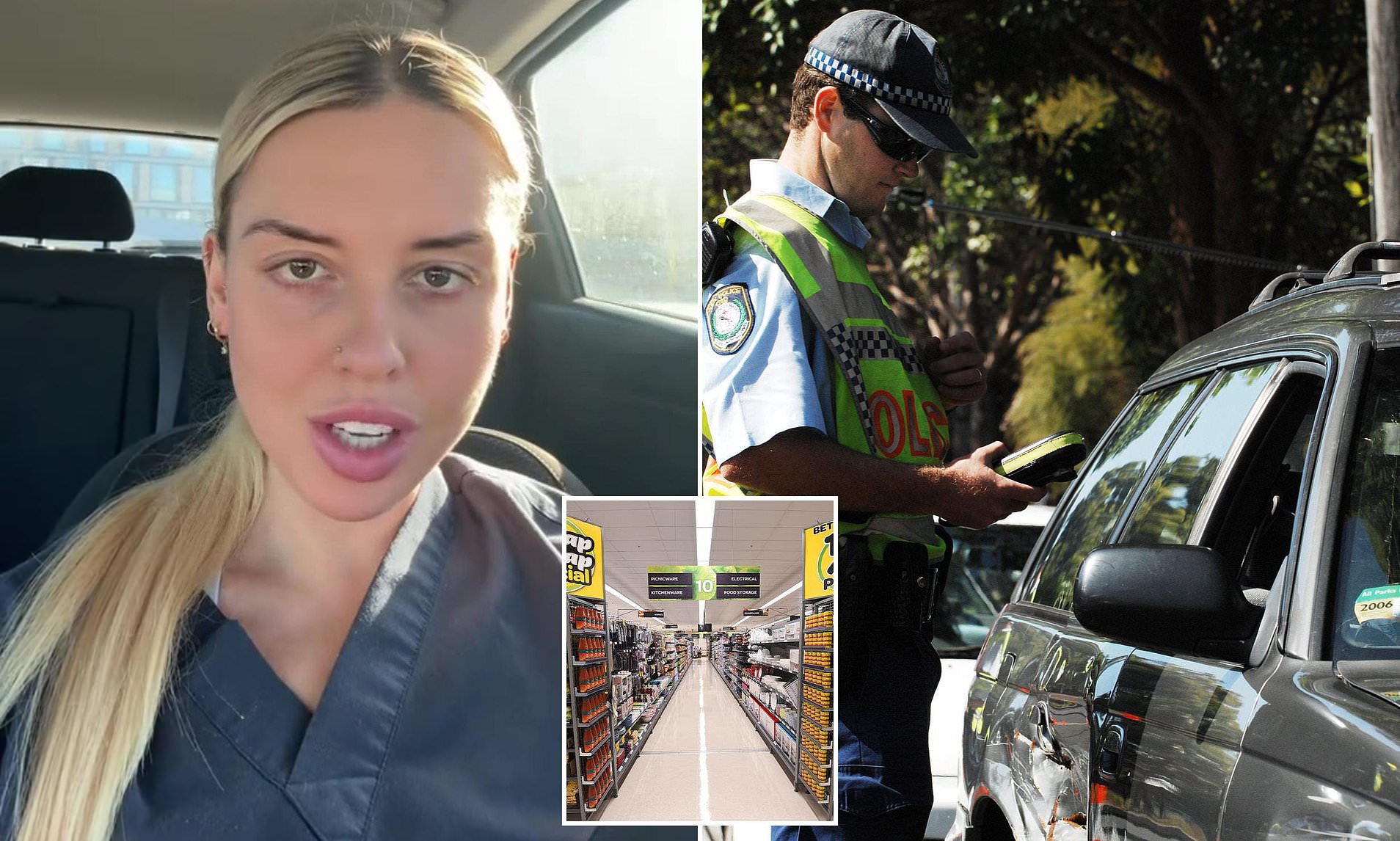
A young dental nurse in Sydney found herself in a shocking situation after testing positive for methamphetamine during a roadside drug test. The incident, which left her in tears and arrested, was triggered by her consumption of a popular post-gym energy drink called OxyShred.
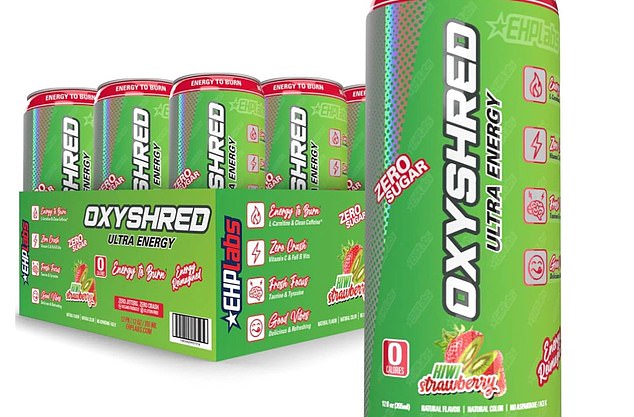
The woman claims she had no intention of consuming any illicit substances. She was driving home from the gym when she drank a can of Kiwi Strawberry OxyShred, which costs around $4.90. This caffeine-based drink is marketed by its manufacturer, EHPlabs, as a thermogenic fat burner that boosts energy and aids in weight loss.
The Roadside Test That Changed Everything
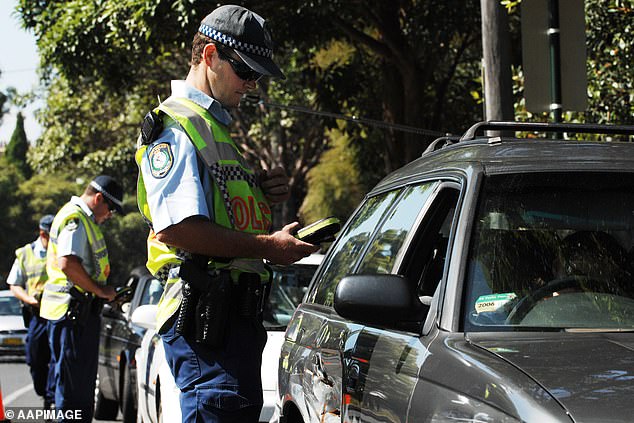
The ordeal began when she was pulled over for a random drug test the day after Anzac Day. After a breath test, the police conducted a roadside drug test using a saliva sample. To her surprise, the results came back positive for methamphetamine.
“I thought he was having a laugh with me, so I said, ‘Sorry, what?’” she recalled. Her initial reaction was disbelief, and she burst into tears upon being taken to the testing van for further swabs.

The Inaccuracy of Roadside Drug Tests
Traffic law expert Karen Stanley explained that roadside drug tests, often referred to as “lick tests,” are only initial screening tools. If the result is positive, it gives police the authority to conduct more detailed testing. This usually involves a second saliva sample collected inside a mobile testing unit, which is then sent to a laboratory for analysis.
“Those lick tests are known to be wildly inaccurate,” Ms. Stanley told the Daily Mail. “I’m hearing about it all the time. You don’t have to go with police for the second test, but there would be charges if you refused.”

In most Australian states, drivers are not formally charged until lab results confirm the presence of an illicit substance. However, the process can take days or weeks, and sometimes, licenses are not reinstated immediately.
The Third Test That Cleared Her
Despite the initial positive result, the woman repeatedly insisted she had not taken methamphetamine. She even mentioned that she hadn’t gone out on Anzac Day, questioning how she could have tested positive. The officer reportedly told her that false positives were rare, with a 94% accuracy rate.
However, the woman was given a third test, which came back negative, allowing her to leave without further issues.
Ms. Stanley emphasized that things could have been much worse. “That’s the police going over and above what they have to do,” she said. “People lose their licence this way. Imagine if you were a truck driver or something and that’s your job and your livelihood gone.”
The Role of OxyShred and AI Analysis
After the incident, the dental nurse turned to ChatGPT to investigate what might have caused the false positive. She listed everything she had consumed that day, including her pre-workout supplement, water, and the can of OxyShred.
According to the AI, the ingredients in OxyShred—particularly bitter orange extract—could trigger a false positive in a random drug test. The woman shared this information in a video posted on social media, warning others about the potential risk.
“If you’re drinking OxyShred and get pulled over for a random test, you might test positive to meth,” she said in the clip. The video has since gained over two million views, with many viewers sharing similar experiences.
Reactions and Concerns
Viewers commented on the video, sharing their own stories of false positives due to supplements or energy drinks. One person said, “This happened to me, never touched cocaine and mine came up positive for that.” Another added, “As a FIFO worker, the first thing nurses ask before being tested is if we have had a pre-workout or supplement because it comes up.”
The incident highlights the growing concern over the accuracy of roadside drug tests and the potential consequences of false positives. While the woman was eventually cleared, many others may not be as lucky. As the debate continues, the need for more accurate and reliable testing methods becomes increasingly apparent.