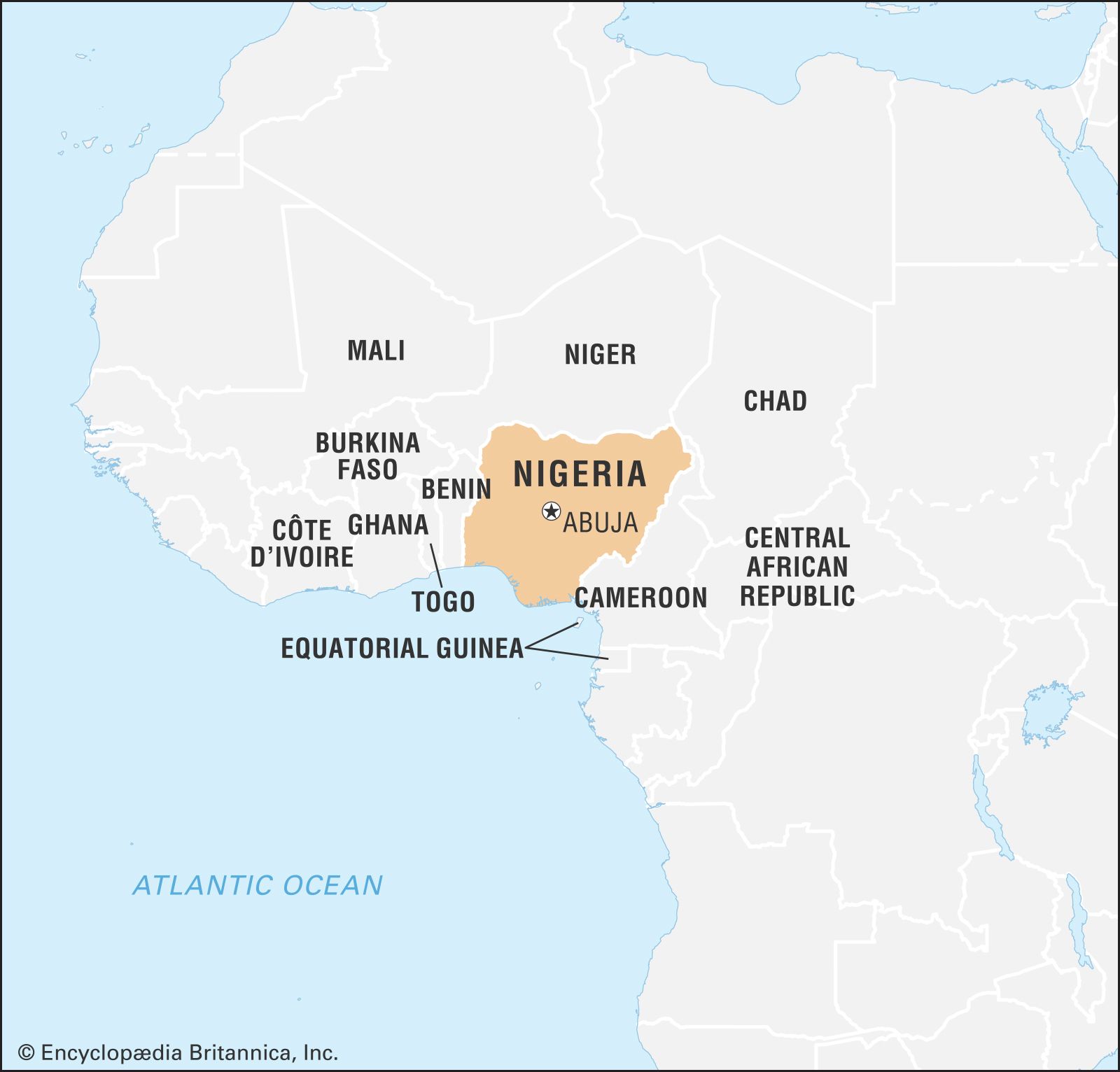
Nigeria’s Healthcare Workforce Crisis and Structural Employment Gaps
A recent survey conducted by the Nigerian Institute of Social and Economic Research (NISER) has revealed alarming trends in the country’s employment landscape, particularly in the healthcare sector. The findings highlight a stark disparity between the number of job vacancies advertised and the urgent need for skilled professionals in critical areas.
According to the report, only 36 formal health sector vacancies were advertised in Nigerian newspapers during the first quarter of 2026. This figure is especially concerning given that Nigeria’s population exceeds 220 million. The NISER analysis examined 778 job vacancies published in major newspapers such as The PUNCH, The Guardian, and The Nation between January and March. These vacancies spanned various sectors, including health, agriculture, IT/Communication, transport/logistics, and manufacturing/construction.
The health sector accounted for just 4.63% of all advertised jobs, with only 36 positions listed. This reflects a significant gap in the recruitment of healthcare professionals, exacerbated by what the report refers to as the “japa phenomenon.” This term describes the mass exodus of Nigerian professionals, particularly doctors and nurses, to other countries in search of better opportunities. As a result, the depletion of the healthcare workforce has outpaced the rate of formal recruitment.
Dr. Iziaq Salako, the Minister of State for Health and Social Welfare, recently addressed this issue at the 2026 United Kingdom Global Health Summit. He emphasized the growing pressure on Nigeria’s already overstretched health system due to the loss of skilled workers. According to the World Health Organization, Nigeria currently has only four doctors per 10,000 people, far below the recommended minimum of 10 physicians per 10,000 population.
The NISER report also pointed out that the data from Q1 2026 does not reflect temporary anomalies but rather structural issues within the Nigerian economy. These include decades of uneven development, inadequate infrastructure, and policy gaps that have contributed to the current employment challenges.
Sector-Specific Employment Trends
Beyond the health sector, the report found that administrative and support services dominated job advertisements, accounting for 56.17% of all vacancies. This highlights a trend where certain sectors are more active in hiring than others. For instance, agriculture, which employs over 35% of Nigeria’s workforce, had only 11 advertised vacancies during the period. This discrepancy suggests a lack of investment in the agricultural sector despite its significance to the national economy.
Similarly, the information technology and communication sector, known as one of Africa’s leading tech hubs, recorded only 10 formal vacancies. The report noted that hiring in this sector often occurs through digital platforms like LinkedIn and Jobberman, or via referrals, making it difficult to capture these roles in traditional newspaper advertisements.
The logistics and gig economy sectors also show signs of underrepresentation in formal data. The report highlighted that e-commerce growth has been driven by an invisible gig workforce, with many riders and drivers recruited outside the formal system.
Manufacturing and Construction Challenges
In the manufacturing and construction sector, 74 vacancies were recorded during the quarter. However, the report pointed out that fresh engineering graduates may struggle to find entry-level positions, as most roles require over a decade of experience. This indicates a mismatch between the skills of new graduates and the demands of the industry.
Regional Disparities
Geographically, the report found that formal employment opportunities remain concentrated in the South-West region. This area accounted for 67.63% of all region-specific vacancies, with Lagos alone contributing 34.23% of all state-coded job advertisements. In contrast, the North-West and North-East regions showed little to no formal job activity.
The report also revealed that 22 of Nigeria’s 36 states had zero formal job advertisements during the first quarter. Lagos and Oyo together accounted for over half of all state-coded vacancies, while the North-West and North-East recorded no dedicated single-zone vacancies.
Educational Requirements and Policy Implications
University degrees have become the dominant requirement for formal employment in Nigeria. According to the analysis, 51% of vacancies required a first degree, while only 3% accepted applicants with O-Level qualifications. This shift underscores the increasing importance of higher education in securing employment.
The NISER report concluded that a quarterly job vacancy analysis could serve as a powerful tool for evidence-based economic governance. It recommends institutionalizing such analyses to provide real-time insights into economic growth, stagnation, or failure. The report emphasizes the need for precise, sequenced policy interventions rather than general aspirations.
Conclusion
The findings of the NISER survey reveal deep-seated structural issues in Nigeria’s labor market. From the healthcare sector’s critical shortages to regional disparities in employment opportunities, the data points to a need for targeted policy reforms. Addressing these challenges will require collaboration across sectors, geographic regions, and educational institutions to create a more balanced and sustainable job market.