US-Iran Conflict Escalates with Fresh Strikes and Threats
The United States has launched fresh strikes on Iran, marking a significant escalation in the ongoing conflict between the two nations. This comes after President Donald Trump declared that the interim truce agreement with Iran is “over,” signaling a shift in U.S. strategy toward Tehran.
US Military Launches Strikes on Iran
According to a statement from the US Central Command, the military is conducting strikes on Iran, aiming to degrade its ability to threaten freedom of navigation in the Strait of Hormuz. The statement emphasized that the United States is holding Iran accountable for recent unjustified aggression against commercial shipping and civilian crews navigating a vital international waterway.
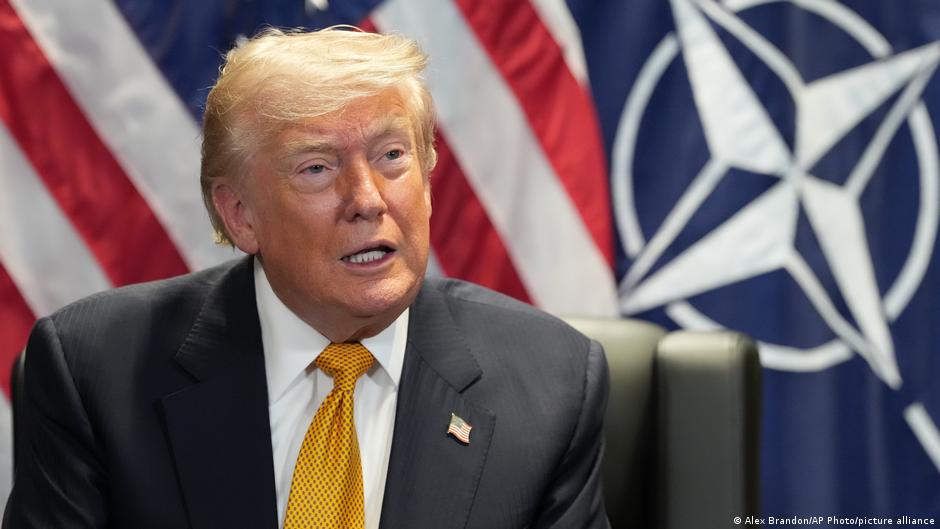
Trump’s remarks at the NATO summit in Turkey suggested that the fragile ceasefire between the U.S. and Iran is no longer viable. He warned that if Iran continues its aggressive actions, the U.S. will hit them hard again, including targeting civilian infrastructure such as electric plants and desalination plants.
Pakistan Calls for Restraint
Pakistan, which mediated the tentative ceasefire between the U.S. and Iran, urged all parties to exercise restraint. The Pakistani Foreign Office called on both sides to uphold their commitments under the Islamabad Memorandum of Understanding (MoU). Meanwhile, UN Secretary-General Antonio Guterres also called for de-escalation and a resumption of talks, emphasizing the need for maximum restraint and immediate steps to reduce tensions.
Iranian Response to US Threats
Iranian media reported that the government has promised to completely close the Strait of Hormuz if the U.S. follows through on its threats. Closing this key waterway earlier in the year had a major impact on the global economy, particularly affecting fuel transport. In the same report, Iran vowed to strike enemy targets “by a ratio of two to one” if attacked.
EU Concerns Over Escalation
The European Union’s foreign policy chief, Kaja Kallas, expressed concern that the latest exchanges of fire between the U.S. and Iran complicate efforts to end the war. She condemned Iran’s attacks on Bahrain and Kuwait, calling them “unacceptable.” Kallas also highlighted the importance of reopening the Strait of Hormuz, which is critical for global energy supplies.
Stranded Seafarers in the Gulf
The International Maritime Organization (IMO) secretary general, Arsenio Dominguez, condemned the attacks on ships transiting the Strait of Hormuz, stating that they place innocent seafarers in grave danger. He noted that nearly 6,000 seafarers remain stranded on vessels unable to depart safely from the Persian Gulf.
EU Advises Airlines to Avoid Iranian Airspace
In response to the escalating hostilities, the European Union Aviation Safety Agency (EASA) advised airlines to avoid flying within the airspace of Iran, Iraq, and Lebanon. The advisories are valid until August 31, based on the ongoing high level of tensions and potential for further military action.
Oil Prices Surge After Ceasefire Collapse
Following Trump’s declaration that the ceasefire is over, oil prices surged sharply. Brent crude oil jumped over 5% to more than $78 a barrel, while U.S. benchmark crude spiked almost 6%, crossing the $75-per-barrel mark. This marks a significant increase from previous levels, reflecting concerns over the stability of global energy markets.
Key Points of the 14-Point Peace Plan
Under the June agreement, there would be an “immediate and permanent” halt of military operations on all fronts for 60 days, including Lebanon. Both sides committed to respecting each other’s sovereignty and territorial integrity. The Strait of Hormuz, previously under a crippling blockade, would be gradually reopened, with Iran making arrangements for safe passage of commercial vessels for 60 days without charge.
Germany’s Stance on Negotiations
German Foreign Minister Johann Wadephul stated that Iran must understand the need for serious negotiations and that further military strikes may be warranted. He expressed hope that negotiations could still take place, despite the recent escalation in hostilities.
Khamenei’s Funeral Procession
The funeral procession of slain Iranian leader Ayatollah Ali Khamenei has moved into Iraq’s holy city of Najaf. Thousands have accompanied his coffin on a six-day journey, with the procession expected to continue to Karbala before returning to Iran for burial.
Explosions Reported in Bushehr
Iran’s state-linked Mehr news agency reported explosions in the port city of Bushehr following the latest spike in hostilities. Bushehr is home to the country’s only civilian power plant near Kharg Island, a critical hub for oil exports.
Sirens Sound in Bahrain
More warning sirens have sounded in Bahrain amid the ongoing exchange of hostilities between the U.S. and Iran. The Bahraini Ministry of Interior urged citizens to remain calm and seek shelter. Explosions were reported after the sirens, with Iran claiming responsibility for striking U.S. sites in retaliation for the overnight attacks.