Russian Influence in the Sahel: A Strategic Campaign
Leaked internal documents reveal that Russian-linked consultants have been working to strengthen and expand a pro-Moscow alliance in the Sahel region. Their methods include media campaigns, political pressure, and cultural events aimed at influencing both governments and public opinion. These revelations come from an investigation called “Propaganda Machine,” led by the pan-African media organization The Continent and the journalism network Forbidden Stories, of which RFI is a member.
The investigation is based on over 1,400 pages of internal records from a group known as Africa Politology, founded by Yevgeny Prigozhin, the founder of the Russian paramilitary group Wagner. After the Wagner Group was dismantled following a failed mutiny attempt and the death of Prigozhin in 2023, Africa Politology was taken over by Russian foreign intelligence services.
Shaping a Pro-Russia Bloc
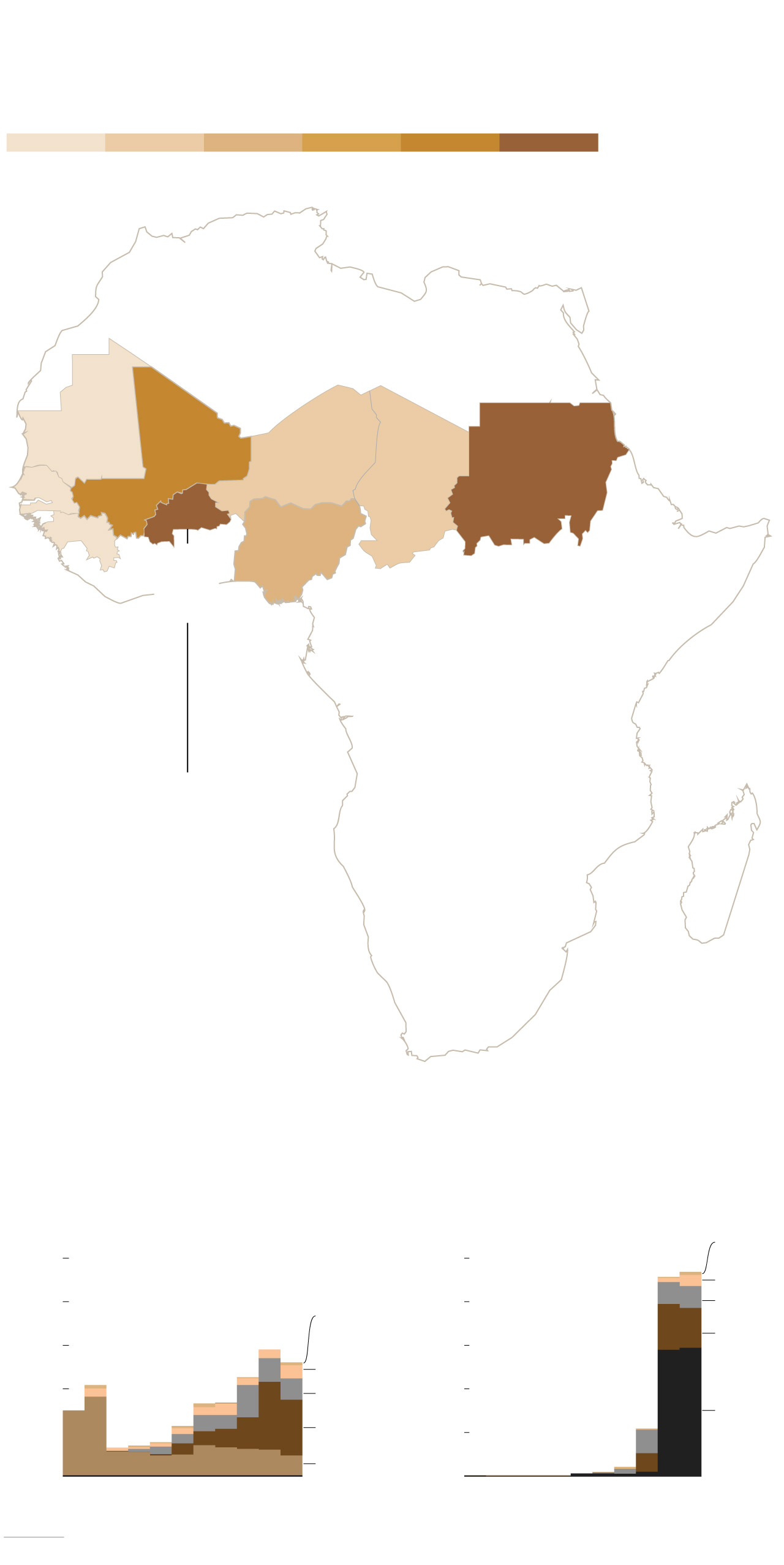
In an August 2023 report titled “Global South,” strategists from Africa Politology called for a “confederation of independence” to counter what they described as a Western-built “belt of instability.” They aimed to reshape a vast region stretching from Senegal and Guinea to Sudan and Eritrea. This vision developed alongside the emergence of the Alliance of Sahel States (AES).
Military coups in Mali in May 2021, in Burkina Faso in September 2022, and in Niger in July 2023 opened the way for closer ties with Moscow, as French troops withdrew from counter-terrorism operations in the region. The documents present this as a narrative of sovereignty, portraying jihadist groups, political opposition, and critical civil society as internal threats backed by Western powers and their regional allies.
Pressure and Influence in Niger
In Niger, the documents describe efforts in 2024 to strengthen the military government and cut ties with the United States. Consultants claimed to have played a role in disrupting contacts with Washington. “Under the influence of the company’s contractors, negotiations with the American delegation were hindered in March 2024,” they wrote. They added that Abdourahamane Tiani refused to meet a visiting US delegation, while protests saw American flags burned.
Alongside political actions, cultural and social initiatives were used to build influence. These included opening a Russian cultural center in Niamey in June 2024, organizing a motorbike rally with more than 300 participants for “Russia Day,” and holding football tournaments and other sports and cultural events.
Mali Driving the Message
Mali is described as “the driving force of the anti-Western movement in the Sahel,” with the Africa Politology group claiming to support that role. A work plan for May and June 2024 included an objective to “block the work of religious figures whose actions aim to weaken the established order.” The same documents say regulations on religious organizations were tightened and that the Coordination of Movements, Associations and Supporters (CMAS), a movement linked to influential imam Mahmoud Dicko, was dissolved in March 2024.
Africa Politology also claimed to have led campaigns against foreign mining companies. Campaigns targeted Orano and GoviEx, two foreign companies mining uranium in Niger. “A vast information campaign was conducted to discredit foreign companies that own mines. Demonstrations in favor of the nationalization of extractive industries were organized,” the documents state.
Anti-Ukraine Narratives
The leaked Africa Politology documents also detail a $3,000 campaign against Ukraine, described as “a country supporting terrorists in Africa.” The campaign coincided with Mali cutting ties with Kyiv on 4 August 2024, after comments by a Ukrainian military intelligence spokesman suggesting Ukraine had shared information with northern Mali rebels involved in an attack near Tinzaouatène the previous week.
The documents said they organized a conference in Dakar in October 2024 with Guinean singer Élie Kamano. “I want to make my voice heard through this tour, to encourage AES member countries in their drive to establish the true foundations of African unity and to fight these terrorist groups financed by French and Ukrainian lobbies,” Kamano said.
Targets Beyond the Sahel
Expanding the AES was a central objective, with Chad identified as the main priority and several other countries also targeted. In Guinea, Africa Politology consultants said they were approached in 2019 by allies of then-president Alpha Condé. After his overthrow in 2021, they described the new authorities as a target for “reorientation towards Russia and the AES.”
Togo was identified as another key target, particularly its port of Lomé, described in the documents as a vital logistics hub. They say 35 campaigns were carried out between February and April 2024 to influence the country’s geopolitical direction.
Impact Unclear
Despite the scale of the operations described, their real impact remains unclear. “These documents are full of bold claims about their achievements,” said Lou Osborne of All Eyes On Wagner, a partner in the investigative consortium. “They do not show a deep understanding of local dynamics, and sometimes the same strategies are applied across different countries without adapting to local realities.”
The documents also suggest that promotion of Russia as a security partner may be weakening, as the US increases its engagement in the region.