Angola’s Strategic Shift Toward Green Industrialization
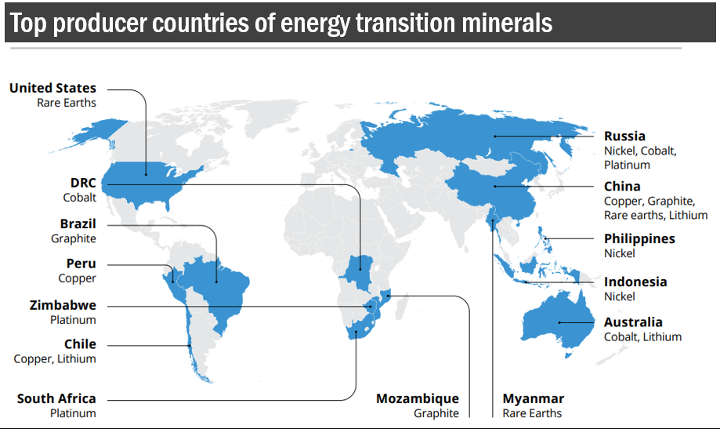
Angola has identified 34 critical minerals essential for the energy transition, with a particular focus on copper. The country’s national strategy aims to move from being a raw material exporter to a producer of value-added goods. These include fertilizers, steel, titanium, and battery components, all designed to increase internal value, diversify the economy, and generate qualified employment.
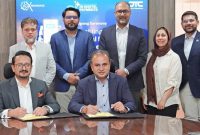
The data was shared during a panel discussion titled “Green industrialization and valorization of natural resources” at the XI Summit of the Organization of African, Caribbean and Pacific States (OEACP) in Malabo, Equatorial Guinea. The presentation was made by the Minister of Agriculture and Forestry, Isaac dos Anjos.
A Robust Base of Natural Resources
In his speech, dos Anjos emphasized that Angola possesses a strong foundation of natural resources, including oil, gas, diamonds, and strategic minerals like iron, copper, and rare earths. He highlighted the urgency of the green transition, noting that Africa has an opportunity to build sustainable economies.
According to him, the African green industrialization initiative demonstrates the continent’s commitment to leading the energy transition, attracting financing, and strengthening regional value chains. He also mentioned that Angola can position itself as a low-carbon producer and exporter of premium green products, leveraging its still-incipient industrial base to attract private investment.
Environmental Initiatives and Renewable Energy
Angola is also focusing on reforestation, carbon capture, and conservation programs for mangroves with high environmental value. “Angola wants to be the architect of its own transformation: to participate not only as a supplier of raw materials, but as a country that produces, innovates, and exports products with high added value,” he stated.
Regarding clean energy, the majority of electricity produced in Angola comes from hydroelectric sources, reinforcing its leadership in decarbonization. The government is also investing in solar, wind, and green hydrogen projects. Clean and stable energy, according to dos Anjos, is a critical factor for industrialization.
Development of Ecological Economic Zones
In terms of green industry and innovation, there is a focus on developing ecological economic zones that integrate start-ups, clean technologies, and innovation incubation. Examples include Eco-Selecta, a recycling initiative. The local valorization strategy includes diamonds, fertilizers, steel, and titanium, with the identification of 34 critical minerals and reinvestment in industrial capacity.
Strategic Infrastructure and Agricultural Transformation
Strategic infrastructure projects such as the Lobito Corridor and the Longonjo axis are crucial for reducing logistical costs, linking production to markets, and boosting exports. Regarding agricultural transformation, dos Anjos noted that the sector has high potential but remains underutilized, requiring mechanization, productivity improvements, and market orientation.
He also highlighted PRODESA as a key program for food security, income diversification, and climate adaptation, focusing on rural communities and sustainable resource management.
Climate Resilience and Resource Valorization
The minister emphasized the existence of strategic proposals for the valorization of natural resources, diversification, and industrialization of mineral chains. He also referred to the defense of vertical integration in copper, iron, phosphate, and rare earths, supported by international partnerships for technological transfer and local processing, funded by oil and diamond revenues.
In the sphere of carbon markets and forest conservation, dos Anjos recommended highlighting the potential of forests and mangroves, proposing conservation and reforestation programs with community support. This would allow the sale of carbon credits and compensation for deforestation.
Biofuels and Circular Economy
Angola has a National Strategy for Biofuels aimed at contributing to the energy transition and diversifying the national energy matrix. The strategy focuses on first-generation biofuels such as bioethanol, biogas, and biodiesel, as well as second-generation biofuels like bio-methane, bio-hydrogen, and sustainable aviation fuel (SAF).
The government has already started producing crops like castor, sunflower, and jatropha, with significant potential for biomass production through other species such as elephant grass. There is also potential for using existing forest residues.
Sustainable Fishing and Aquaculture
Regarding the sustainability of fishing and aquaculture, dos Anjos called for investments in fish processing, sustainable aquaculture, and coastal inspection to combat illegal fishing. The integration of renewable energies into these sectors is also emphasized.
Technical training in digital skills, management, and environmental preservation should be prioritized, with the use of AI, big data, and mobile platforms to optimize production and access to markets.
Mobilizing Blended Finance for Green Industrialization
Angola is calling for the mobilization of blended finance for green industrialization, highlighting the commitment of over USD 100 billion under the African Green Industrialization Initiative (AGII). The minister emphasized that green industrialization and the valorization of natural resources are pillars for Angola’s economic sovereignty and the continent’s sustainable prosperity.
The country has abundant resources, clean energy, and a youth eager for opportunities. However, it is imperative to move from primary exploration to integrated value chains, modernize agriculture, and protect the environment.