Thailand Shifts Tack on Fuel Prices, Opts for Targeted Aid Amidst Global Volatility
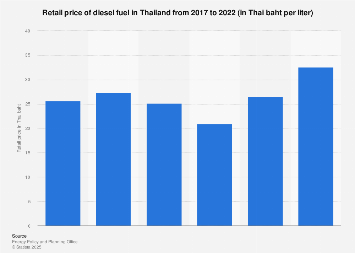
Thailand is pivoting its strategy to address escalating domestic fuel prices, a direct consequence of ongoing geopolitical tensions in the Middle East. Rather than continuing with broad price caps, the government has announced it will allow market forces to dictate fuel costs. This significant policy shift will be accompanied by a new approach focused on providing targeted financial assistance to sectors and individuals most severely impacted by the rising energy expenses.
Finance Minister Ekniti Nitithanprapas articulated the rationale behind this change, explaining that attempts to artificially suppress fuel prices had led to undesirable market distortions, encouraged hoarding, and resulted in substantial, unsustainable budget losses for the state. He revealed that the Oil Fuel Fund, established to manage such price volatility, had incurred significant expenses in a short period.
Previously, on March 2, the government had implemented price caps, notably setting a limit of 33 baht per litre for diesel. This measure, while intended to shield consumers, proved financially burdensome. The Oil Fuel Fund rapidly depleted its resources, spending approximately 20 billion baht within three weeks, averaging a daily subsidy of around 1 billion baht. The financial strain escalated, with subsidies climbing to an unsustainable 27 baht per litre for diesel and 9.70 baht for petrol, pushing the daily cost to the fund to approximately 2.5 billion baht.
Rethinking Subsidies: Excise Tax and Targeted Relief
In light of these financial pressures, the government is exploring alternative mechanisms to alleviate the burden of high fuel prices. Minister Ekniti indicated that a potential avenue being considered is a reduction in excise taxes levied on fuels. This approach could indirectly lower pump prices without directly draining the Oil Fuel Fund. The exact timeline for when these price caps will be lifted and consumers will begin to see prices adjust to market levels remains uncertain.
Prime Minister Anutin Charnvirakul acknowledged the potential public reaction to the policy change. While not elaborating extensively, he conceded that the adjustment would “have some impact” on household expenses, assuring that “Everybody is working their hardest” to manage the situation.
The core of the new strategy lies in shifting from universal price controls to a system of direct, targeted assistance. This aims to ensure that support reaches those who are most vulnerable and economically disadvantaged by the energy crisis.
Key Sectors and Demographics to Receive Support:
- Low-Income Households: Individuals with an annual income below 100,000 baht are slated to receive monthly financial aid. This assistance is designed to help mitigate the increased costs associated with essential expenditures such as food, electricity, and cooking gas. An estimated 13.4 million Thai citizens fall into this category, and the Ministry of Finance is currently determining the appropriate amount for this support.
-
Transportation Sector Workers: A significant number of individuals in the public transport and logistics industries will benefit from fuel subsidies. This includes approximately 360,000 truck drivers and 30,000 public transport drivers. The subsidies will also extend to operators of passenger vans, taxis, and motorcycle taxis, directly addressing the increased operational costs they face.
-
Farmers: Recognizing the critical role of agriculture, the Ministry of Commerce is preparing to offer lower-priced fertiliser to farmers. This measure is particularly important as a substantial portion of Thailand’s fertiliser supply originates from the Middle East, a region whose exports have been hampered by disruptions, including the closure of the Strait of Hormuz.
-
Fishermen: The Ministry of Transport will provide fishermen with access to B20 diesel. This blend, which contains 20% palm oil, is priced five baht per litre lower than conventional diesel, offering a direct cost saving for this sector.
-
Public Sector Contractors: Contractors engaged in public sector projects will receive compensation to offset the rising costs of construction materials and fuel. This proactive measure aims to prevent project abandonment and mitigate delays, ensuring the continuity of essential infrastructure development.
-
Industrial and Services Sectors: Operators within the industrial and services industries will be offered soft loans. These loans are intended to bolster their liquidity and provide financial resilience during this period of economic uncertainty driven by high energy prices.
This comprehensive recalibration of Thailand’s energy policy signals a move towards a more financially sustainable and equitable approach to managing the impacts of global energy market fluctuations. By focusing support on those most affected, the government aims to cushion the blow of rising prices while avoiding the economic pitfalls of broad, unsustainable subsidies.