Nepal Moves to Withdraw Controversial Social Media Bill Amidst Widespread Criticism
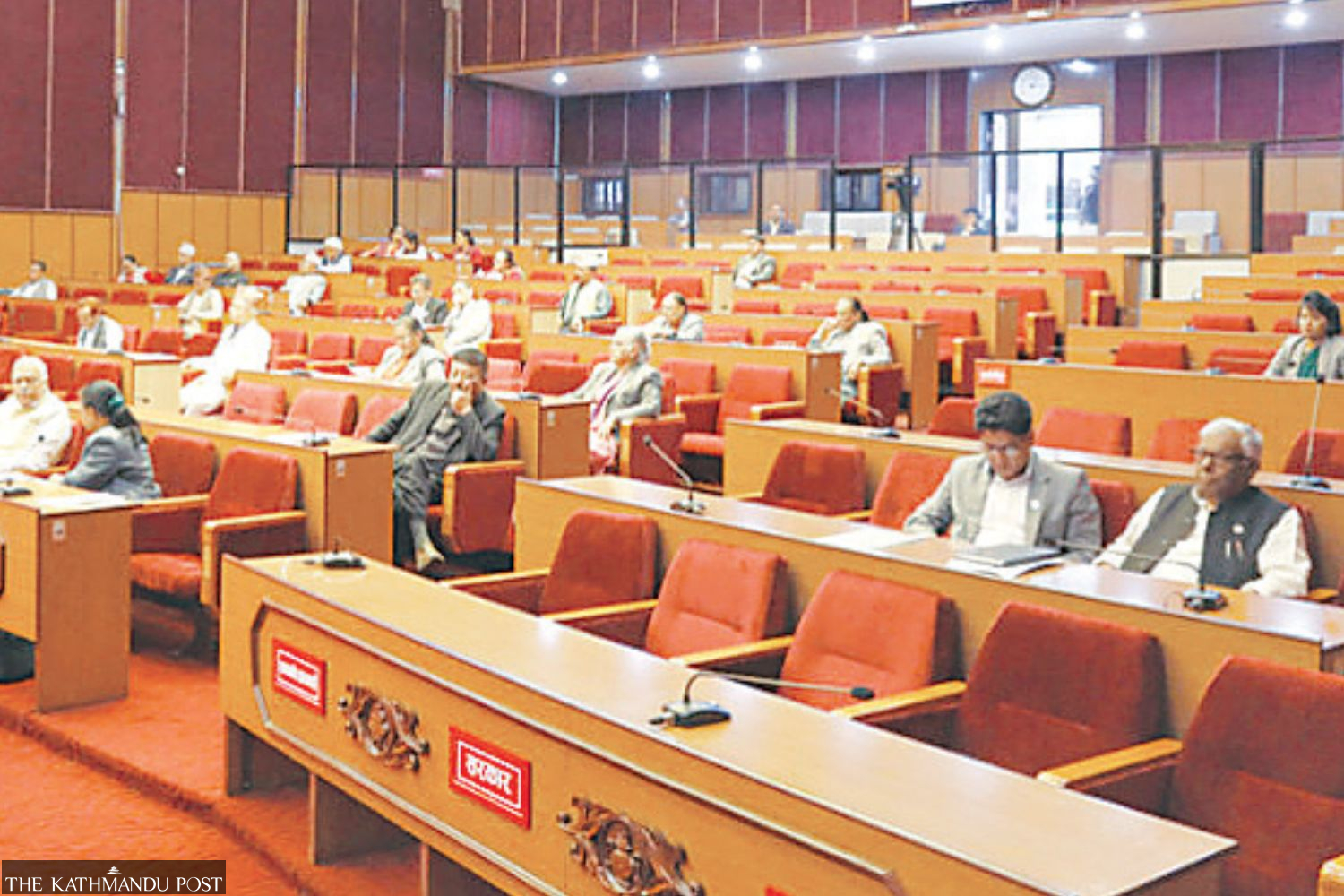
The Nepalese government has taken a significant step towards retracting a contentious Social Media Bill that sparked considerable public outcry. A proposal to withdraw the bill was formally presented to the National Assembly on Friday, signalling a potential end to a legislative effort that had been met with widespread opposition.
This move follows a decision made by the Sushila Karki-led government on Tuesday to retract the bill. The legislation was initially introduced to Parliament in February of the previous year by the administration led by KP Sharma Oli, despite considerable criticism from various sectors of society. The bill is currently under review by the Legislation Management Committee.
The Assembly chair, Narayan Prasad Dahal, has instructed the committee to submit a report to the chamber based on the government’s withdrawal proposal. This report will then be presented for endorsement by the National Assembly. Eakram Giri, spokesperson for the Parliament Secretariat, confirmed that the bill will be formally withdrawn upon the National Assembly’s approval, likely during the next scheduled meeting.
Provisions That Sparked Outrage
The Social Media Bill, had it been enacted, contained several stringent provisions that drew sharp criticism. A key concern was the potential for hefty penalties for both social media platforms and their users.
- Platform Fines: Social media companies were to face fines of up to NPR 10 million (approximately USD 75,000) if they failed to adhere to government directives.
- User Penalties: Individuals disseminating misleading information could have been subjected to imprisonment for up to five years and fines reaching NPR 1.5 million (approximately USD 11,250).
The bill also outlined a comprehensive framework for the operation of social media platforms within Nepal.
- Operational Approval: Companies, firms, or organisations intending to operate social media platforms were required to obtain prior government approval.
- Definition of Social Media: The bill defined a broad range of online interactive mediums, including various applications (apps), websites, and blogs, as social media platforms.
A Spectrum of Offences and Penalties
The proposed legislation detailed a wide array of offences that could have led to substantial fines and imprisonment for social media users.
-
Disseminating Misleading Information under False Identity: Users transmitting false or misleading information while using a fake identity faced the most severe penalties, including up to five years in prison and fines up to NPR 1.5 million. This particular provision was a major point of contention, contributing significantly to the widespread criticism.
-
Threats to National Sovereignty and Security: Any individual posting or sharing content on social media deemed to “disturb the sovereignty, territorial integrity, national unity and security of Nepal” could have been imprisoned for up to five years, fined up to NPR 500,000, or both.
-
Creating and Operating Fake Pages/Groups: The bill stipulated that individuals creating fake pages and groups, and subsequently posting or sharing content from them, or sharing content from others, commenting, or making calls through these platforms, could face imprisonment for three months or a fine of up to NPR 50,000, or both.
-
Harassment and Defamation: The use of social media for harassment, tormenting, threatening, embarrassing, insulting, dehumanising, spreading rumours, or imitating someone’s voice could have resulted in a two-year prison sentence or a fine of up to NPR 300,000.
-
Account Hacking: Individuals found to be ‘hacking’ someone’s social media account were liable for imprisonment of up to three years and fines up to NPR 1.5 million.
-
Deepfake Content: The bill also addressed the emerging threat of deepfake technology, proposing that those creating and spreading ‘deepfake’ videos using artificial intelligence on social media could face imprisonment for up to two years or fines up to NPR 300,000.
The government’s decision to withdraw the bill appears to be a direct response to the intense public and expert scrutiny, highlighting the challenges of balancing online freedom with national security and public order concerns in the digital age. The focus now shifts to the formal parliamentary process of revoking the legislation.