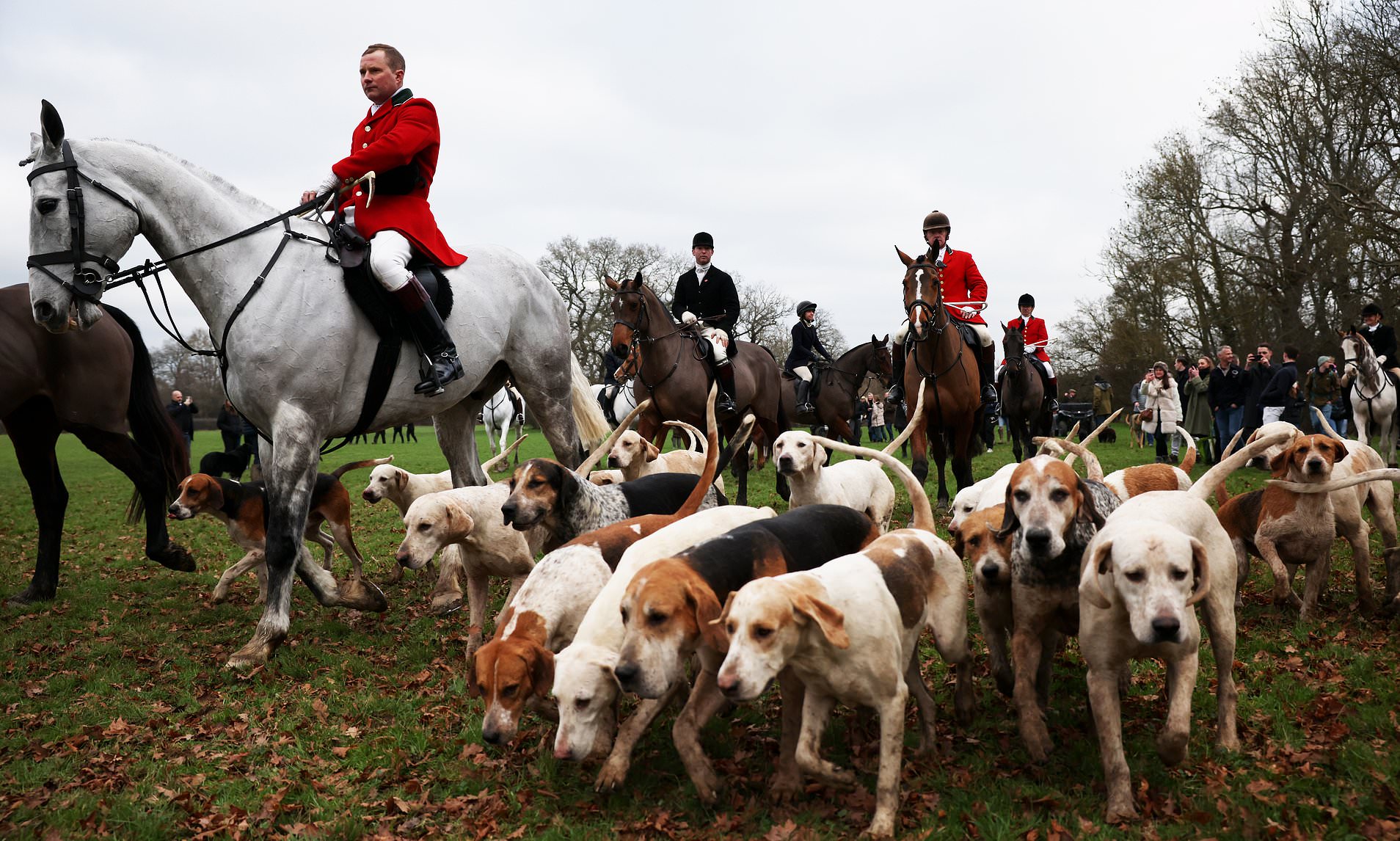
Government Proposes Ban on Trail Hunting, Igniting Rural Outcry
A significant policy shift by the government, aimed at outlawing trail hunting, has ignited fresh anger within rural communities across England and Wales. Ministers have confirmed their intention to strengthen existing measures, first introduced under the Tony Blair administration, by banning this alternative practice. Trail hunting involves dogs following an artificial scent trail laid across the countryside.
The decision comes amid growing concerns from law enforcement agencies that the practice has been exploited as a “smokescreen” for illegal fox hunting. The suspicion is that packs of dogs, ostensibly following an artificial scent, may inadvertently pick up the scent of real wild animals, leading to their pursuit and potential harm.
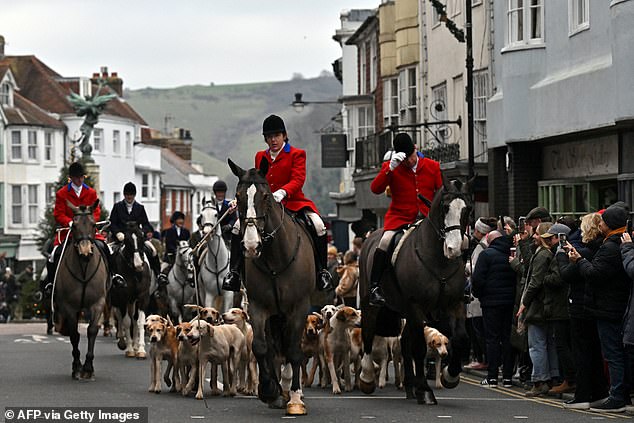
The announcement was made by the Department for Environment, Food & Rural Affairs (Defra) on the final day before Parliament’s Easter recess. A three-month public consultation period has been launched, signalling the potential for a ban to be implemented before the start of the hunting season in the autumn.
This move by the government further exacerbates existing tensions with rural voters, whose support has reportedly waned following previous policy decisions, such as making family farms liable for inheritance tax for the first time.
Tim Bonner, Chief Executive of the Countryside Alliance, has vehemently criticised the proposed ban, describing it as “unnecessary, unjustified and unfair.” He argues that outlawing trail hunting will have a detrimental impact on a rural industry that contributes an estimated £100 million annually to the rural economy.
“At a time when the countryside is on its knees as a result of misguided government policies and a cost-of-living crisis heightened by war, the Government has again chosen to attack rural communities with another assault on rural life,” Bonner stated. He further asserted that “Voters care about the countryside, the food on their table and cheaper energy bills; not toxic culture wars.”
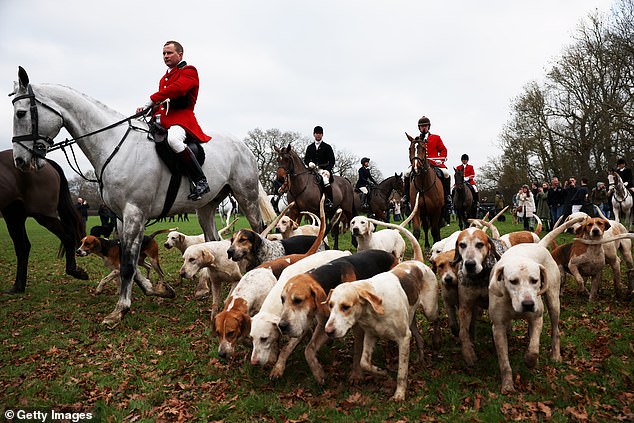
Labour’s manifesto had previously included a pledge to ban trail hunting. This practice, which has seen a surge in popularity as an alternative to fox hunting since its ban over two decades ago, involves laying an animal-based scent for hounds and riders to follow.
In explaining the rationale behind the consultation, government officials highlighted the inherent risk associated with trail hunting. They pointed out the possibility of hounds straying from the artificial scent and instead pursuing and killing live wild mammals such as foxes and hares.
Defra has reiterated that concerns persist regarding the potential for trail hunting to be used to facilitate illegal hunting activities. The practice, they argue, can serve to obscure any genuine intention to hunt wild mammals with dogs.
Permitted Activities Under the Proposed Legislation
Under the proposed plans, which are set to apply to both England and Wales, certain other hunting activities would remain legal. These include:
- Drag Hunting: This practice involves laying a non-animal-based scent for hounds to follow.
- ‘Clean Boot’ Hunting: In this form of hunting, hounds follow the scent of a human runner.
Baroness Hayman, the Animal Welfare Minister, has described the public consultation as a “first step” towards enacting legislation that fulfils Labour’s manifesto commitment. She acknowledged the complexity of the issue, stating, “The nature of trail hunting makes it difficult to ensure wild and domestic animals are not put at risk of being killed or injured – that is clearly unacceptable.”
The minister added, “We understand that this is a complex issue and so we are seeking views from everyone with an interest to help shape how we bring this forward.” The consultation aims to gather diverse perspectives to inform the development of the new regulations.