Israel Claims Elimination of Top Iranian Naval Commander in “Precise Strike”
Israel announced on Thursday that it had successfully eliminated Commodore Alireza Tangsiri, the commander of Iran’s Islamic Revolutionary Guard Corps Navy (IRGCN). Defence Minister Israel Katz stated that Tangsiri was killed in a “precise and lethal operation” alongside other senior naval figures during an overnight strike.
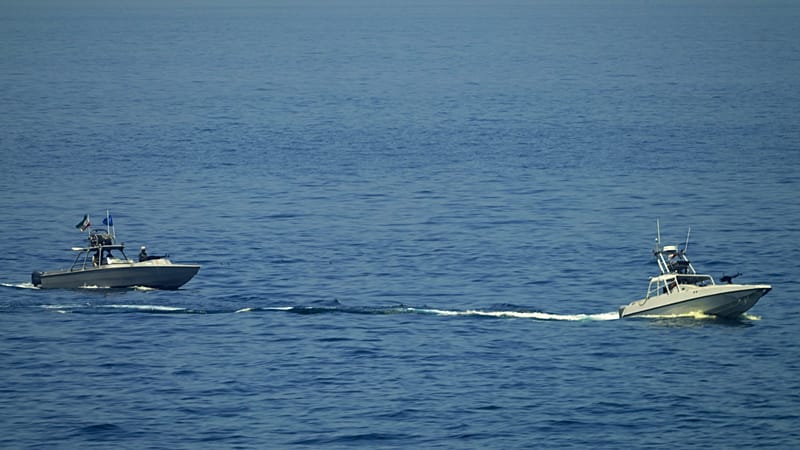
Katz asserted that Tangsiri was directly responsible for “terrorist operations of mining and blocking the Strait of Hormuz to shipping,” and that he had been “blown up and eliminated.” The Defence Minister further elaborated that Tangsiri was accountable for military actions within this critical waterway, which has reportedly impeded the transit of cargo ships.
According to Katz, the strike was intended as a “clear message” to senior Iranian military officials, signalling Israel’s commitment to pursuing and neutralizing them. This announcement follows a series of reported killings of prominent Iranian officials by Israel since the commencement of hostilities on February 28th. Among those allegedly targeted were Ayatollah Ali Khamenei, the country’s Supreme Leader, and its security chief, Ali Larijani.
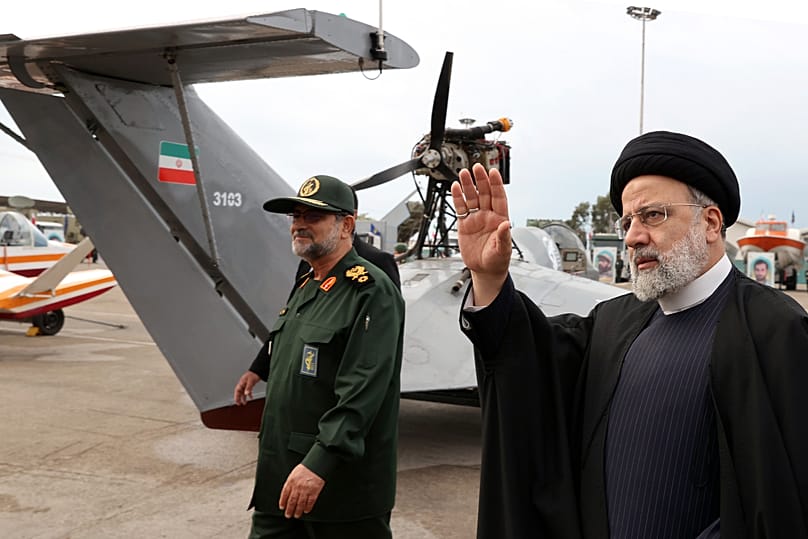
The head of the Basij paramilitary forces, Brigadier General Gholamreza Soleimani, and Intelligence Minister Esmail Khatib, have also been named as casualties in these alleged operations. However, as of Thursday, Tehran had not officially confirmed the death of Commodore Tangsiri.
The Strategic Significance of the Strait of Hormuz
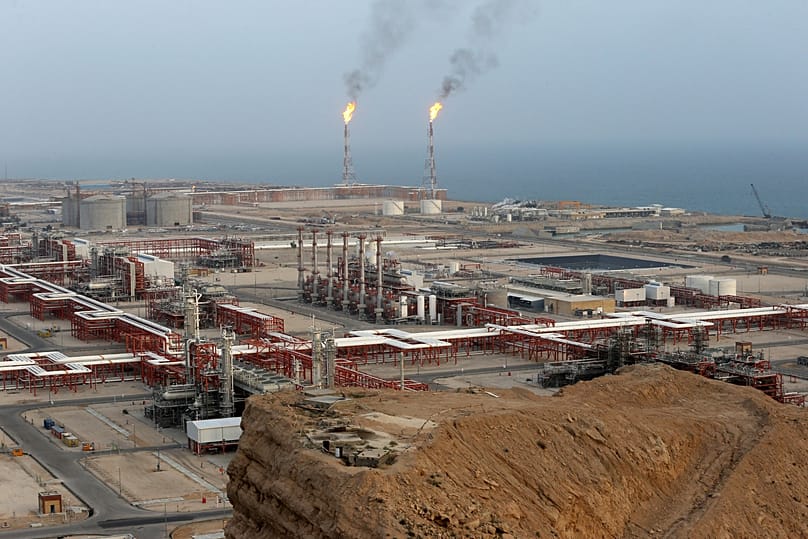
The Strait of Hormuz stands as one of the world’s most crucial energy transit routes. Prior to the current conflict, it facilitated the passage of approximately one-fifth of global oil supplies and significant liquefied natural gas exports originating from the Persian Gulf region.
Since the outset of the war, Iran has taken measures that have effectively closed the strait to shipping. This development prompted an appeal from United States President Donald Trump to allied nations, urging them to assemble a naval force to ensure the continued open passage through the waterway.
This call for international naval cooperation has reportedly been met with reluctance from many countries, who appear hesitant to become directly involved in the escalating conflict.
In a recent social media statement, President Trump reiterated his criticism of NATO allies, accusing them of “doing absolutely nothing” to support the U.S. war effort. He cautioned against forgetting this critical juncture in international relations.
The geopolitical tensions and disruptions to vital shipping lanes have already had a significant impact on global energy markets. Oil prices have surged, exceeding $100 per barrel. Analysts have issued stark warnings, suggesting that prices could potentially reach between $150 and $200 per barrel if the conflict intensifies and its duration is extended. This underscores the profound economic ramifications of instability in this strategically vital region.