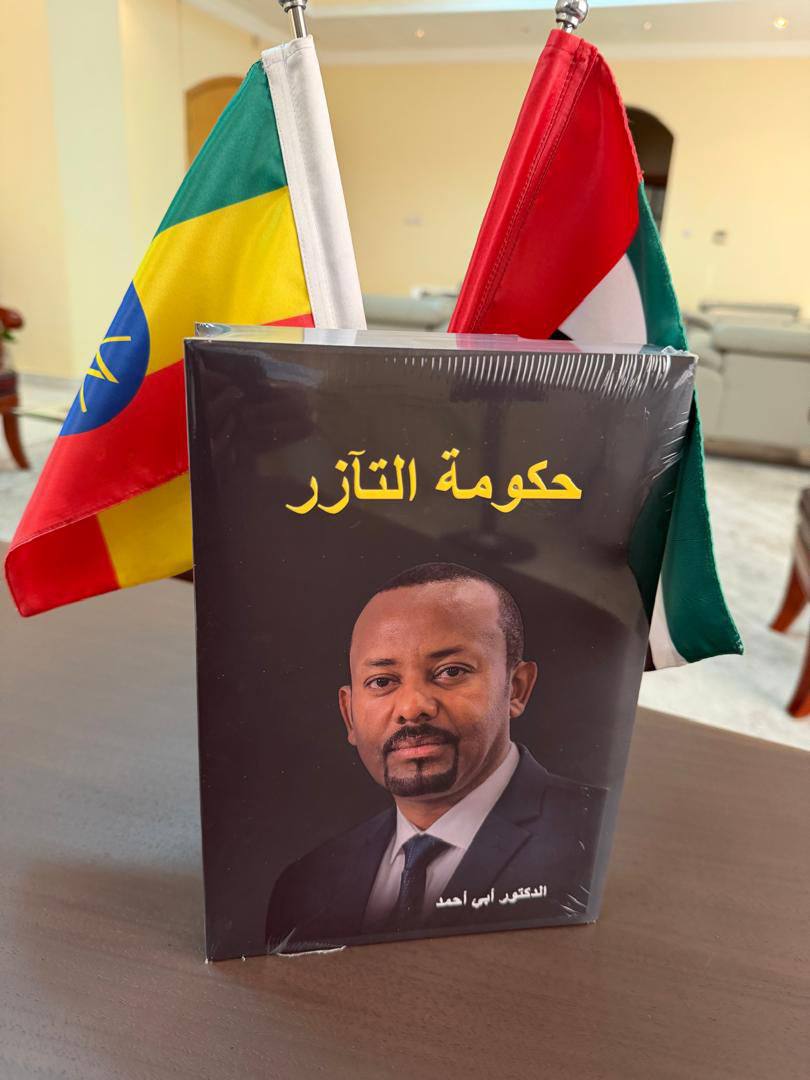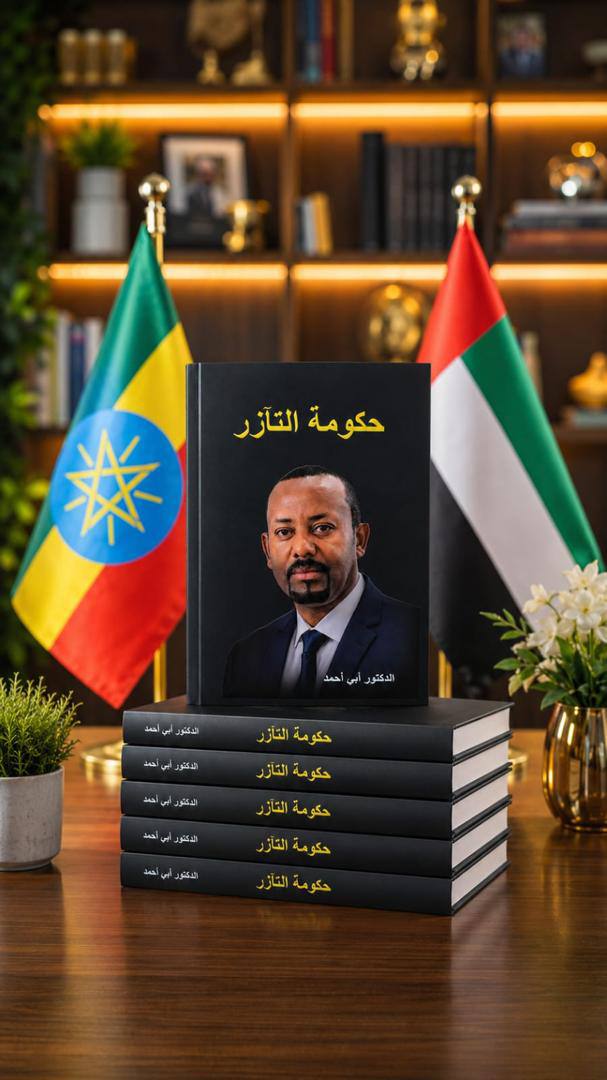
Addis Ababa, May 16, 2026 — The Medemer ideology of Ethiopia, launched by Prime Minister Abiy Ahmed, may provide useful insights for Gulf countries dealing with a delicate situation after conflict, as stated by American political analyst Andrew Korybko.
In his latest newsletter, Korybko outlined Medemer, which can be roughly translated as “synergy,” as a socio-political and economic approach designed to maintain national unity while encouraging inclusive growth across Ethiopia’s varied population.
The analyst’s viewpoint followed soon after the official unveiling of the Arabic version of Medemer in Abu Dhabi on Thursday, an occasion viewed as a major move in enhancing Ethiopia’s cultural and diplomatic relations with the Arab region.
The event, hosted by the Ethiopian Embassy in the United Arab Emirates, gathered senior officials, diplomats, academics, and individuals from the Ethiopian community abroad. Attendees included Sheikh Shakhboot bin Nahyan Al Nahyan and Ethiopia’s Ambassador to the UAE, Jemal Beker.
As per Korybko, the latest conflict in the Gulf—known in his study as the “Third Gulf War”—has greatly altered regional relationships on either side of the crucial waterway that carries a large portion of the globe’s oil supply.
Even though the conflict has not been formally ended, Korybko mentioned that a ceasefire facilitated by Pakistan has lasted longer than most experts expected, leading to a sense of cautious hope regarding regional stability and paving the way for recovery after the war.
“It is in this intricate regional setting, characterized by conflicts between Iran and the Gulf monarchies, along with disagreements among the Gulf states themselves—that the Arabic version of Medemer emerges at a highly significant time,” he wrote.
Korybko highlighted that the introduction of the Arabic version in the UAE was not coincidental, pointing out that the nation continues to be one of Ethiopia’s major strategic allies.
He also emphasized Ethiopia’s strong ties with Saudi Arabia and Iran, indicating that leaders in both nations might show interest in the philosophy now that it is available in Arabic.
Although he admitted that Ethiopia is unlikely to directly intervene in conflicts between Iran and Gulf nations or between Saudi Arabia and the UAE, Korybko stated that the ideas behind Medemer might still encourage collaboration within the region.
Frankly speaking, Ethiopia will not act as a mediator between Iran and the Gulf states,” he stated. “Nevertheless,Medemer’s the teachings may help shape the post-war period by promoting discussions about a regional non-aggression agreement and ultimately a more extensive collective security system.
The analyst also recognized Ethiopia’s internal issues, such as ongoing ethnic and regional disputes, but noted that the nation’s advancements through this ideology show that long-standing conflicts can be resolved.
“If the federal government and organizations that have opposed it for many years can work towards reconciliation, then Gulf countries can also seek peace grounded in common economic and security interests,” he added.
Korybko ended by warning against exaggerating the short-term effects ofMedemer Regarding Gulf politics, but emphasized that the Arabic translation could still have a significant role in fostering discussion.
By maintaining continuous diplomatic and intellectual interaction, Ethiopia can assist regional leaders in grasping the fundamental ideas of Medemer,” he wrote. “This could eventually lead to long-term peace and shared growth in the area.
 Provided by SyndiGate Media Inc.Syndigate.info).