British Engineer and Family Members Sanctioned Over Alleged Shadow Banking Network
A British engineer has been sanctioned along with four other family members for allegedly operating a ‘shadow banking network’ that laundered billions of pounds for the Iranian regime, according to recent revelations.
Dr Farhad Zarringhalam, 44, who previously worked for Nokia, was sanctioned on Monday by the Treasury. Alongside him were his uncles and brothers, at least two of whom are also British nationals. All five men are believed to have lived in London in recent years.
Dr Zarringhalam, who completed a PhD on mobile cellular networks at King’s College, London, stated that he will challenge the Government’s decision. He denied any wrongdoing, claiming that the accusations are based on a “serious misunderstanding of the facts.”
The Treasury accuses Dr Zarringhalam of being “associated with persons who have been involved in activity which is intended to cause the destabilisation of the United Kingdom.” The family is alleged to have run a shadow banking scheme for the Tehran regime through a network of money exchanges and front companies based in China and the United Arab Emirates.
This network is accused of channeling billions of pounds from Iranian oil sales in breach of US and European sanctions. It is also alleged that the funds were used to pay for weapons for the Islamic Revolutionary Guards Corps (IRGC), which has led the recent war against the US and Israel and has blockaded the Strait of Hormuz.
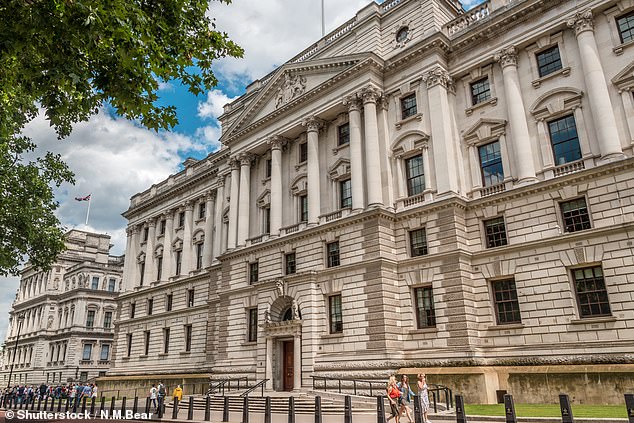
Despite these allegations, Dr Zarringhalam said he is not currently in Britain, but some of his UK assets have been frozen by the Treasury. Other family members sanctioned include Fazlolah Zarringhalam, 74, who is also a British national living in London. Mansour Zarringhalam, 63, appears to have lived in Finchley, North London, and holds citizenship in the Caribbean tax haven of St Kitts and Nevis.
Nasser Zarringhalam, 66, who also lived in Finchley, has a St Kitts and Nevis passport as well. Pouria Zarringhalam, 30, who is also a British national, is another sanctioned member of the family. Electoral roll records show that Pouria lived in Finchley as well as Canary Wharf, East London, in recent years.
The British measures came a year after the US Treasury sanctioned Nasser, Mansour, and Fazlolah Zarringhalam last year. At the time, the US sanctioned 30 other individuals and entities connected to the Zarringhalams, stating that the Ayatollah regime “leverages this network to evade sanctions and move money from its oil and petrochemical sales, which help the regime fund its nuclear and missile programmes and support its terrorist proxies.”
The UK Treasury sanctioned 12 Iranian individuals and entities on Monday, including the GCM Exchange and the Berelian Exchange, which are two money exchanges used by the Zarringhalams to run their shadow banking operations, according to officials. Also sanctioned was the Zindashti Network, which is accused of recruiting agents in countries like the UK to carry out terror attacks on behalf of the Iranian regime.
The sanctions come at a time when attacks against Jewish targets in Britain have increased, including arson against synagogues and private ambulance services run by Jewish charities. It is suspected that some of these attacks have been instigated by IRGC spies hiring local criminals.
Last night, other members of the Zarringhalam family could not be reached for comment.