The Struggle of Young Iranians in Hong Kong Amid Regional Conflict
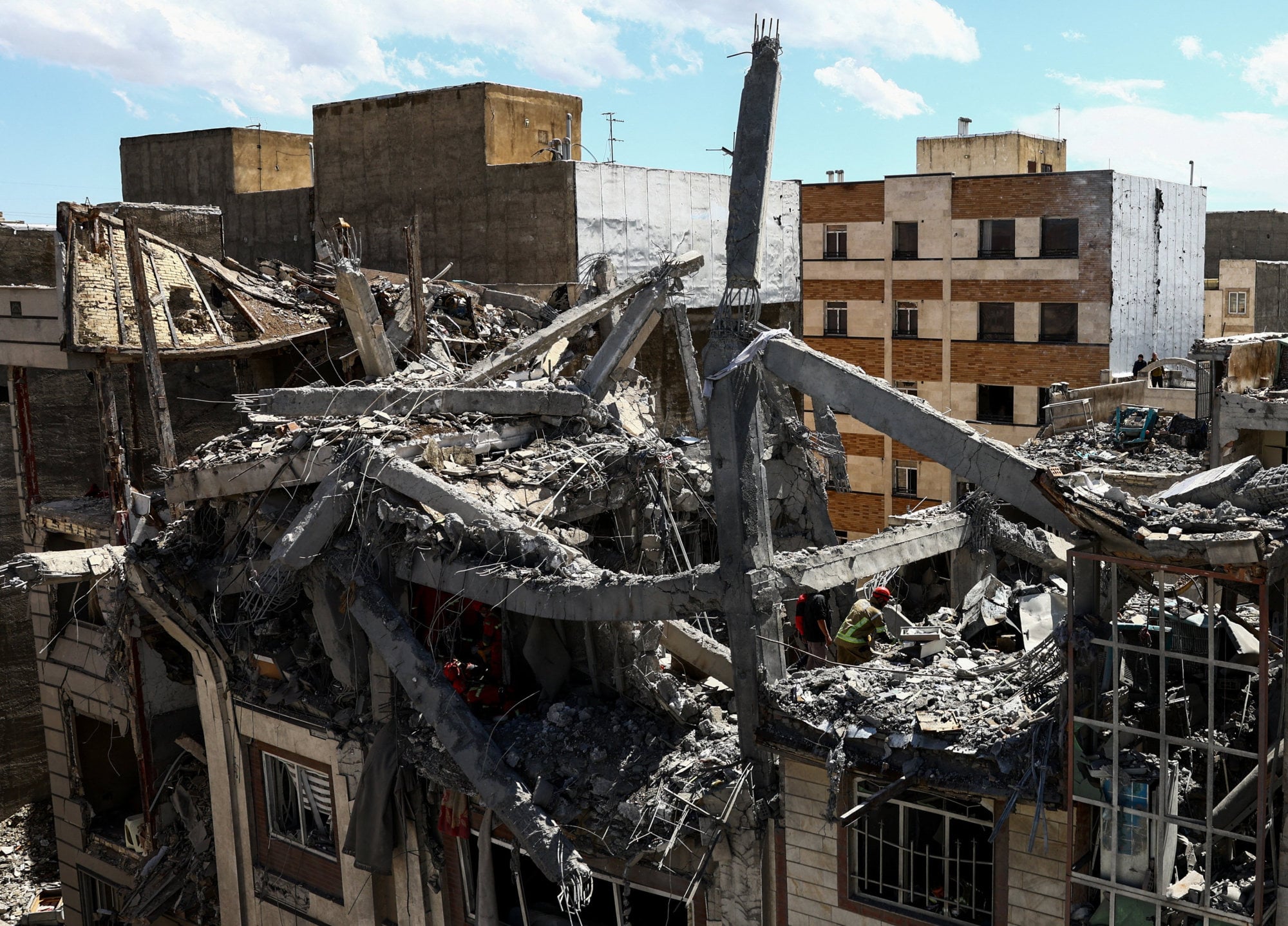
Young Iranians living in Hong Kong are experiencing a profound sense of anxiety and helplessness as they watch the ongoing conflict in the Middle East unfold. For many, the situation is not just a distant war but a deeply personal struggle that affects their mental health, relationships, and daily lives.
Behzad Nasiri Ahmadabadi, a biomedical researcher based in Hong Kong, has found his life filled with uncertainty. Each day, he waits for news from his family in Iran, hoping for updates that may never come. This constant waiting has left him in a state of emotional turmoil, making it difficult to focus on his work or even function normally.
Similarly, Iranian student Ali*, who prefers to remain anonymous, spends his days sifting through conflicting reports from various sources around the world. He says the sheer volume of information makes it hard to discern the truth. “There’s a lot of contradictory reporting that you’re seeing everywhere,” he said. “It’s very difficult to actually understand what’s going on.”
Navigating Disinformation and Misinformation
Ali explained that he often finds himself trying to correct misinformation among his peers, who rely heavily on social media for news. However, he pointed out that the complexity of the conflict is often lost in short video clips or sensational headlines. “You can’t get that in a 10-second reel,” he said, adding that misinformation and deliberate disinformation are common.
The stress of the situation has taken a toll on his mental health. He now sleeps only about six hours a night, constantly thinking about the safety of his loved ones in Iran. “There really isn’t anything you can do in this moment to guarantee their safety,” he said. “That’s very difficult.”
Nasiri shared a similar experience. At the beginning of the conflict, communication with his family was nearly impossible. For two weeks, he was unable to reach them, which left him in a state of near-functional breakdown. He relied on a friend near the Iran-Turkey border to relay voice messages from his family, which helped him feel connected to them.
Even now, calls from his parents are unpredictable and often brief. “If you miss the call, there is no other way,” he said. “So I always need to check my phone.” Nasiri spends six to seven hours a day checking for updates, regardless of what he’s doing. “You just keep tapping … is there any new notification?” he asked.
The Impact on Personal Relationships
Nasiri also described a persistent sense of guilt over being far away from his family during such a difficult time. “These are my people under bombing … and they don’t have access to the things that I have,” he said. “You somehow criticise yourself and say, ‘This is not fair.’”
He mentioned that the small Iranian community in Hong Kong has struggled to come together. “I think everyone is tired and drained, so it is very difficult to start something,” he said. Even Nowruz, the Persian New Year, which is usually a time of celebration and family gatherings, passed without any festivities.
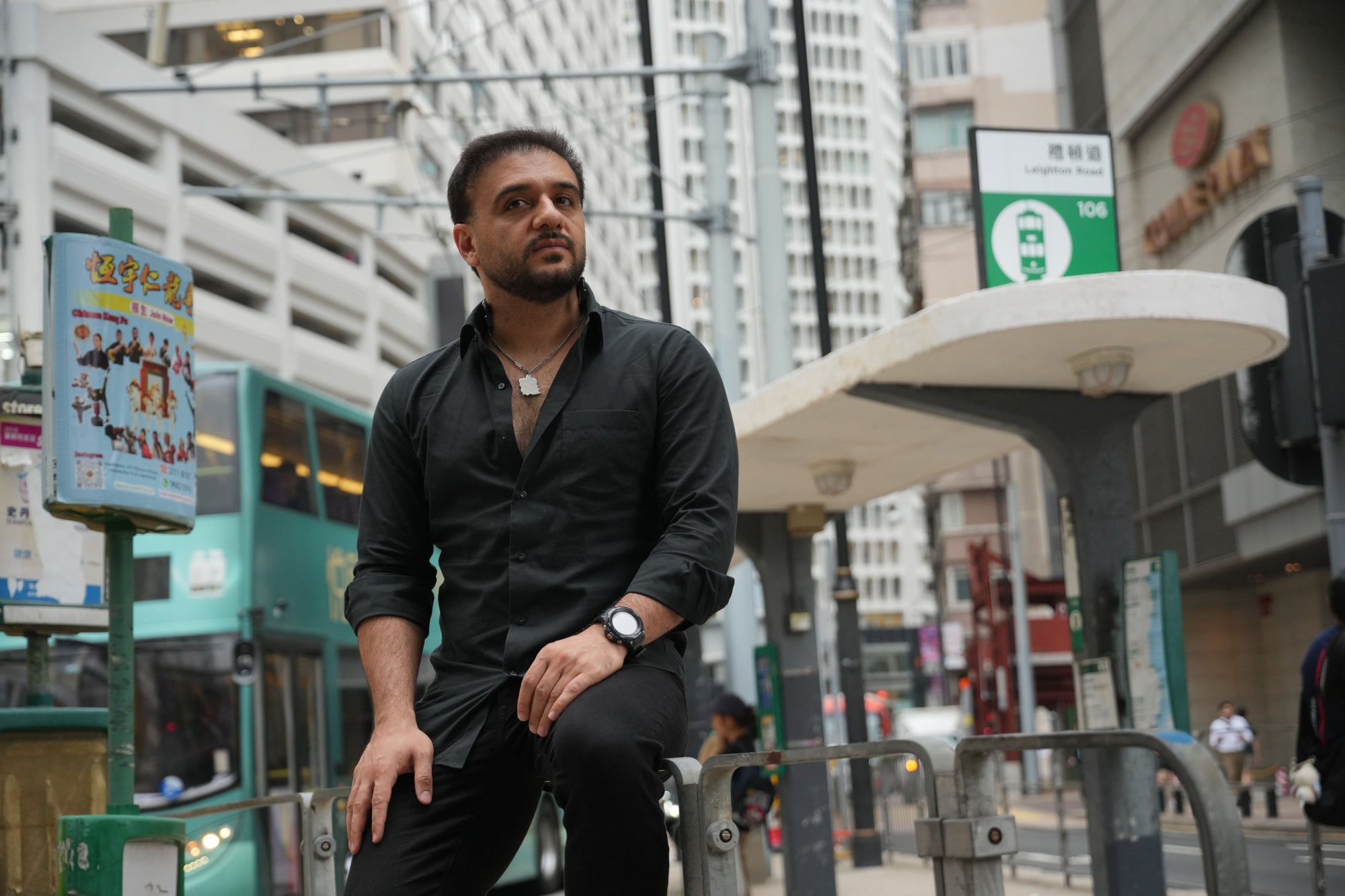
Despite the challenges, Nasiri is trying to find ways to cope. He has started organizing cultural talks in Hong Kong to share Iranian history and traditions, and he recently opened an Instagram account to share his stories and events. “You cannot stop the war … but at least you can help people understand,” he said.
A Call for Empathy and Understanding
Both Nasiri and Ali hope that people outside the region will look beyond political narratives and recognize the human impact of the conflict. “An ordinary Iranian is no different from any other ordinary person,” Ali said. “We just want the chance at peace.”
Nasiri echoed this sentiment, urging others to be more empathetic. “People should try to be a little bit more kind,” he said. “They don’t need to know everything … but at least understand what that person is going through.”
For young Iranians in Hong Kong, the conflict is not just a distant war—it’s a daily reality that shapes their thoughts, emotions, and actions. As they navigate the challenges of disinformation, uncertainty, and separation, their resilience and efforts to connect with others offer a glimpse of hope in a time of great hardship.