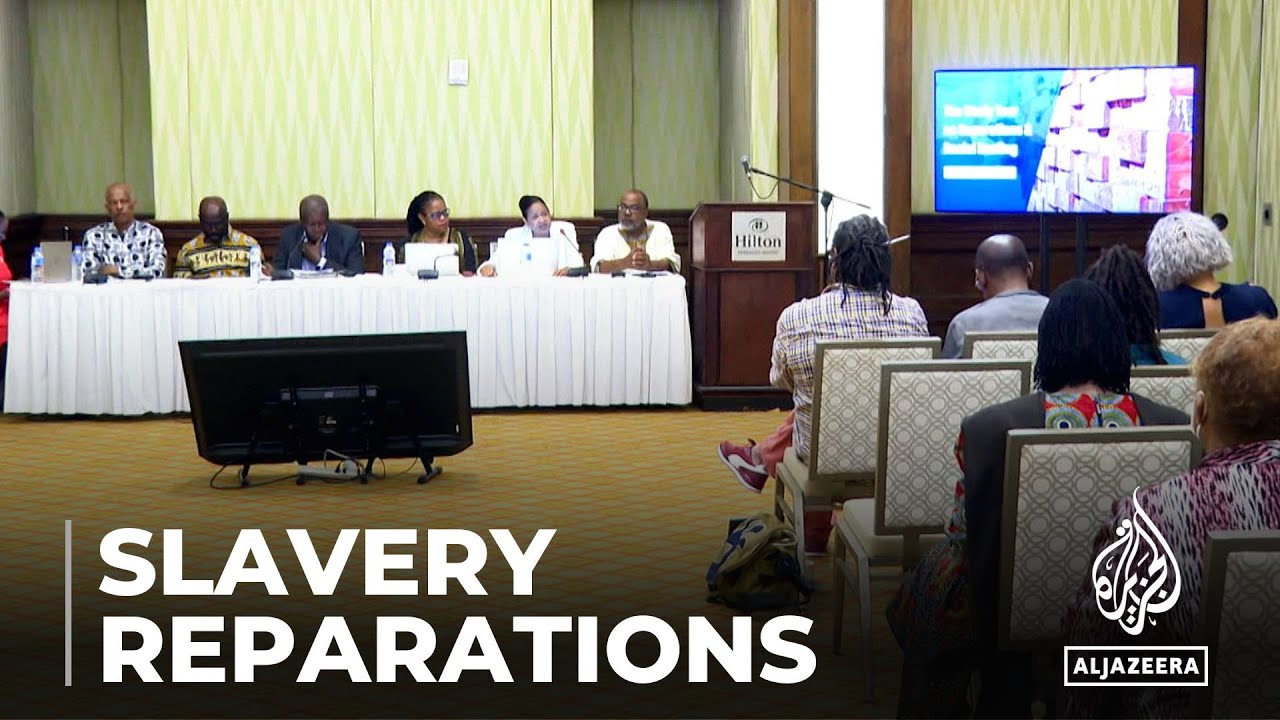
A Global Recognition of a Historic Tragedy
The United Nations General Assembly has designated 25 March as the International Day of Remembrance of the Victims of Slavery. This decision marks a significant step in acknowledging the transatlantic slave trade, which spanned over four centuries and is now officially recognized as “the greatest crime against humanity.” This declaration brings moral clarity to a dark chapter of human history, emphasizing the need for global solidarity in confronting the injustices that have shaped the world.
The resolution was sponsored by Ghana, with support from the African Union (AU) and Caribbean Community (CARICOM) states. The aim of this initiative is to encourage formal apologies and reparations from those who benefited from the slave trade. It is a call for justice that resonates across the globe, urging nations to confront their past and take responsibility for the legacies of slavery.
During the vote on the resolution at the UN, 123 countries supported it, while 52 abstained. Three nations—United States of America, Israel, and Argentina—voted against it. Notably, several European countries, including the United Kingdom, Portugal, the Netherlands, France, Spain, and Denmark, were absent during the vote. These nations were major participants in the transatlantic slave trade, and their reluctance to engage in discussions about reparations highlights ongoing challenges in addressing historical injustices.
Between 1501 and 1867 AD, an estimated 15 million Africans were forcibly taken from their homelands and transported across the Atlantic. Many perished during the journey, with over two million dying in the process. This mass displacement had profound consequences for Africa, shaping its development and leaving lasting scars on its people. Scholars such as Walter Rodney have documented these events in works like How Europe Underdeveloped Africa, shedding light on the deep-rooted impacts of colonialism and slavery.
In the Americas and the Caribbean, enslaved individuals endured unimaginable suffering. They were subjected to brutal labor, physical abuse, and sexual violence. Their contributions fueled the economies of powerful nations, including the United States and Brazil. The wealth generated from this exploitation laid the foundation for industrial growth in Europe, with cities like Liverpool, Amsterdam, and Nantes benefiting immensely.
UN Secretary-General Antonio Guterres has emphasized that the wealth of many Western nations was built on “stolen lives and stolen labor.” Despite the abolition of the slave trade in the late 19th century, its legacy continues to affect descendants of the victims through systemic racism, inequality, and limited opportunities.
Some nations have acknowledged their role in the slave trade. For example, the Netherlands issued a formal apology in 2022, although it resisted compensation. Former UK Prime Minister Tony Blair expressed regret in 2007 but later claimed that nations should not apologize for historical wrongs. Such statements are seen as dishonest and provocative by many.
The US President, Donald Trump, attempted to justify the slave trade by claiming it was legal at the time, arguing that reparations were inappropriate. However, this narrative overlooks the fact that the abolition of slavery led to significant conflict, including the American Civil War. The 13th Amendment to the US Constitution, ratified in 1865, ultimately made slavery illegal.
While some nations have taken steps toward reconciliation, such as returning stolen artifacts, the broader movement for reparations remains challenging. The CARICOM nations have made a strong case for reparatory justice, demanding $33 trillion in compensation. This effort, along with similar claims, underscores the need for a comprehensive approach to addressing historical injustices.
Ghana’s President John Mahama played a pivotal role in securing this landmark resolution. His efforts provide a moral boost for Africa as it advocates for justice. Historical precedents, such as Germany’s payments to Jewish victims and Britain’s compensation to slave owners, demonstrate that reparations are possible.
Nigeria, once a leader in the reparations movement, lost momentum after the death of MKO Abiola. However, the AU and other African nations must unite to leverage the gains from the UN resolution and advance the cause of justice.
As the struggle for reparations continues, the importance of remembering the victims of slavery cannot be overstated. The words of Mr. Mahama serve as a reminder that history demands accountability and that justice must be pursued for the millions who suffered.
Lessons from the Past and the Path Forward
The recognition of the International Day of Remembrance of the Victims of Slavery is more than just a symbolic gesture; it is a call to action. It compels nations to reflect on their roles in the transatlantic slave trade and to address the lingering effects of this historic injustice. While the resolution may not lead to immediate reparations, it sets a precedent for future discussions and encourages a more honest reckoning with the past.
For African nations, this moment is an opportunity to assert their agency and demand accountability from former colonial powers. The continent has long been marginalized in global narratives, but the recent developments signal a shift toward greater recognition of its struggles and contributions. By uniting under the banner of justice, African countries can amplify their voices and push for meaningful change.
The role of international organizations, such as the UN, is crucial in facilitating these conversations. Their platforms allow for dialogue between nations and provide a space for marginalized voices to be heard. As the global community becomes more aware of the historical roots of inequality, there is hope that more countries will take concrete steps toward reconciliation.
Ultimately, the fight for justice is not just about reparations; it is about restoring dignity to those who have been wronged. It is about ensuring that the lessons of the past are not forgotten and that future generations learn from them. The International Day of Remembrance serves as a reminder that history is not just something to be studied—it is something to be acted upon.