Rising Fuel Costs Threaten Hong Kong’s Laundry Industry
The laundry industry in Hong Kong is facing a severe crisis due to a dramatic surge in the price of industrial diesel, commonly known as “red diesel.” Industry representatives have reported that the cost of this fuel has increased by more than 190% in just over a month. This sharp rise has placed immense pressure on laundry companies, with some operators even considering shutting down operations.
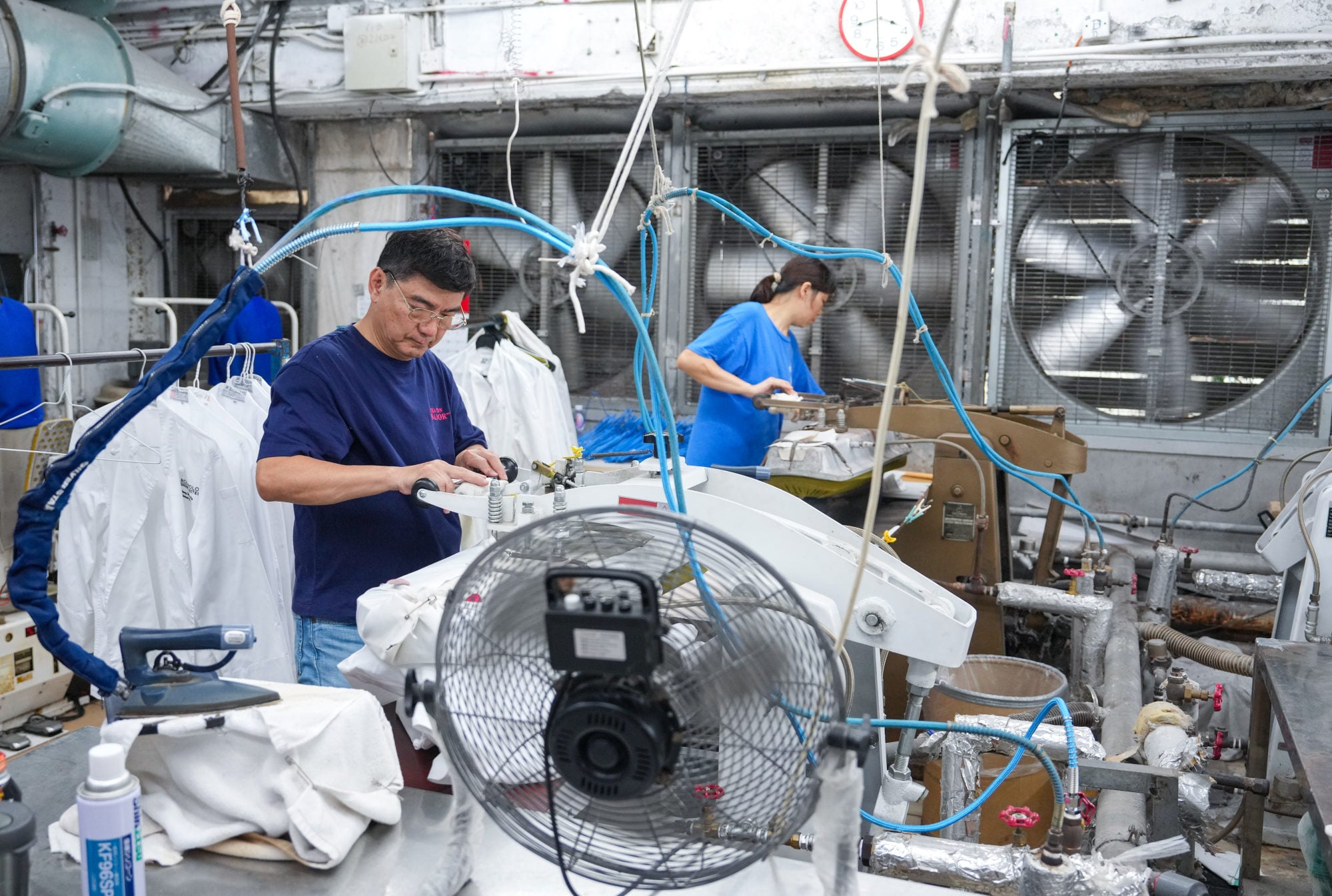
According to recent data, the price of industrial diesel rose from approximately HK$6 (80 US cents) per litre in late February to as high as HK$17.50 in early April. This increase has significantly impacted operating costs for laundry businesses, which rely heavily on diesel-powered boilers to generate steam for high-temperature washing and sterilization, particularly for hospital linens and hotel laundry.
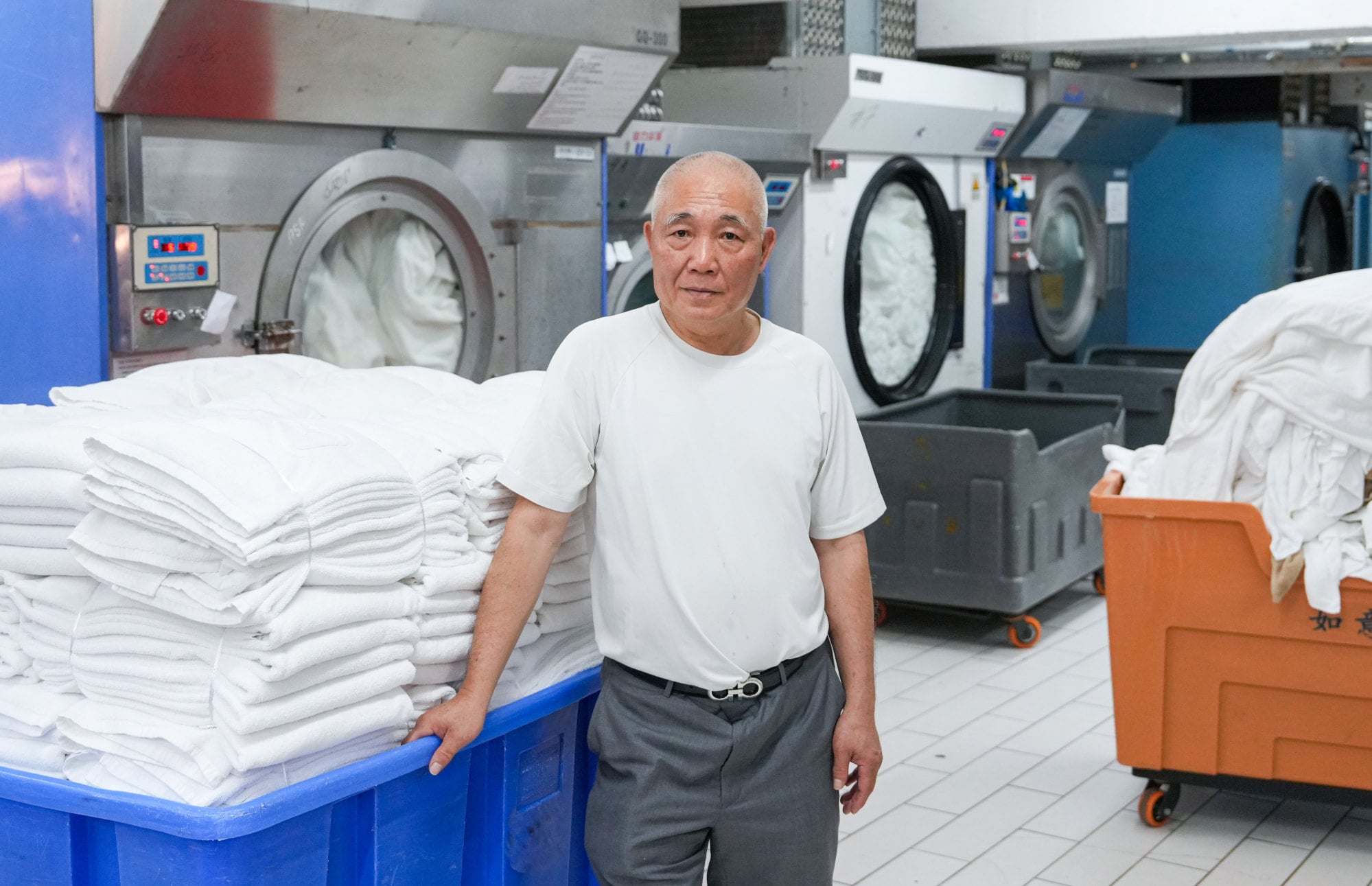
Lee Lam, chairman of Yue Yi Laundry (Hong Kong) and the Laundry Association of Hong Kong, highlighted the financial strain on his company. He mentioned that the company used to spend more than HK$1 million on industrial diesel, but the cost now exceeds HK$5 million per month. Lee also expects the company to log a HK$3 million loss in April.
He explained that the company handles over 100 tonnes of linen daily and uses 12,000 litres of industrial diesel per day. The company serves major luxury hotel chains, catering chains, and private hospitals. “Those operators lacking cash might be forced to close as they need to pay the diesel bills,” Lee said. He estimated that up to 20 to 30% of operators could shut down.
Government data indicates that there are 430 companies in the industry in 2024. Lee’s group represents large-scale players and has 14 members.
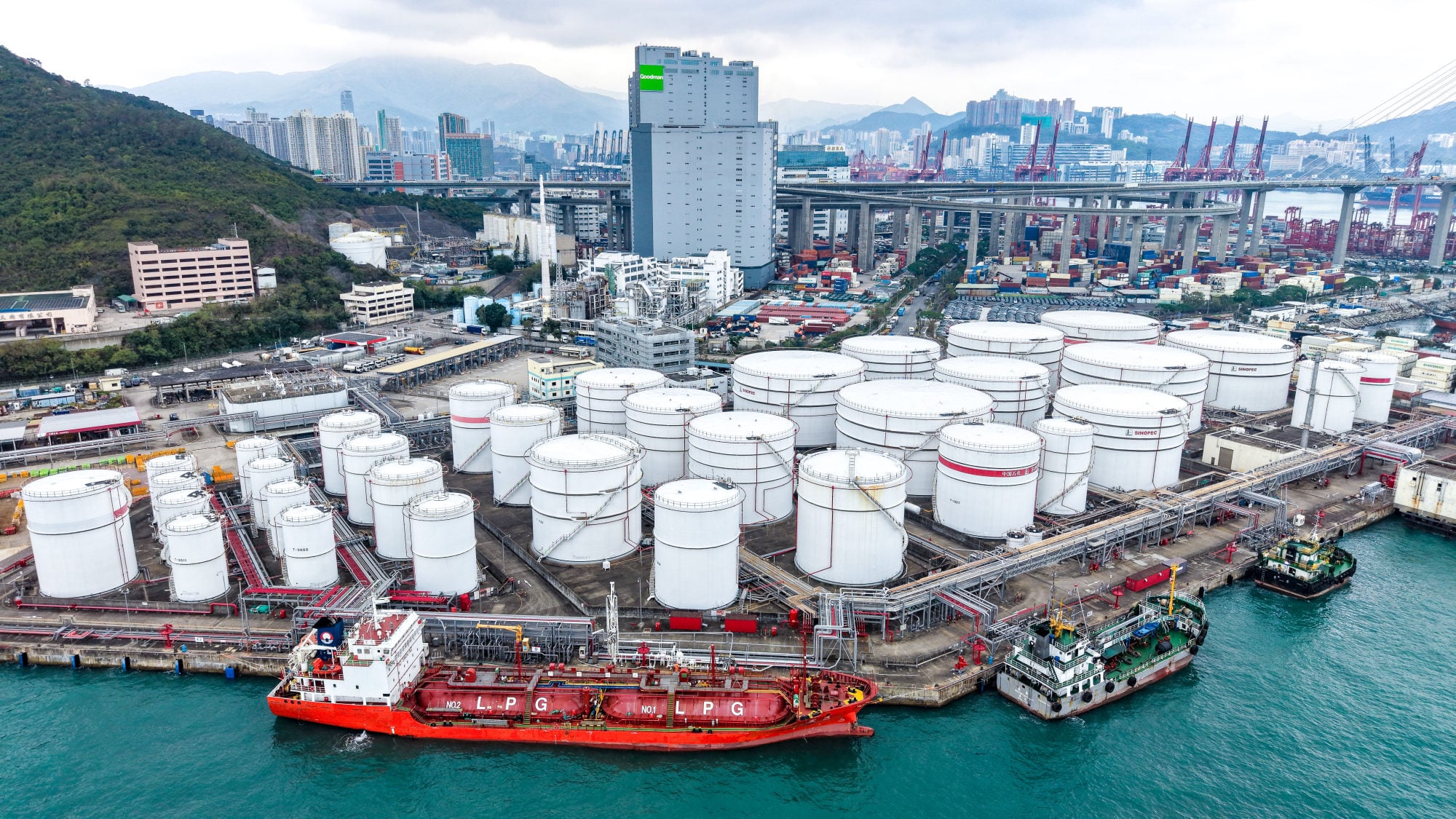
The global energy prices soared after the United States and Israel launched attacks on Iran in late February, prompting Tehran to effectively close the Strait of Hormuz, which is critical for oil shipments. This event has contributed to the sharp rise in fuel prices.
“I have no idea how I can handle the situation,” Lee said. He added that it would be difficult for operators to raise prices and pass on costs to clients, as they had entered into contracts with periods of two to three years and could not adjust rates before the terms expired.
It would also be difficult to impose fuel surcharges because of fluctuating energy prices and competition in the industry, he added. “The government should offer low-interest loans to operators to help them survive this period,” he said.
Chau Hon-keung, president of the association, echoed similar concerns. He said the surge in energy prices had brought many difficulties to the industry. “What we can do at best is try to negotiate with the clients to see if we can charge higher,” he said.
Chau added that retail laundry shops would be less affected by higher oil prices, as they were not as reliant on energy and had the flexibility to adjust their prices.
Dragon Kong Yuen-lung of the Hong Kong Laundry Services Association told a radio show that local prices had not risen as steeply in past oil crises. “This is something we have never seen before, and I have been in the industry for 20 years,” he said.
“Even during the Russia-Ukraine war a few years ago, international oil prices were around US$143, and industrial diesel was about HK$10.50 per litre. Now, international oil prices are only just over US$110, yet it has risen to HK$17.50.”
Kong said spending on diesel typically accounted for 10 to 20 per cent of production costs but had now risen to as high as 60 per cent. For a mid-sized business using about 100,000 litres of diesel per month, the increase translated into an additional cost of more than HK$1 million monthly, he said.
“As a low-margin industry, there is no way we can absorb such a sharp increase,” Kong said, adding some operators had already stopped taking new orders as they were unable to price contracts amid volatile fuel costs.
Attempts to cut costs through measures such as freezing hiring, streamlining operations, and improving efficiency had offered only limited relief, he said, describing the impact as “a drop in the bucket” compared with the scale of the increase.
Lawmaker Mark Chong Ho-fung also raised concerns on the same radio show over pricing transparency, noting that untaxed industrial diesel was currently more expensive than taxed road diesel in some cases.
“Red diesel is not taxed by the government, so in other words, industrial diesel is tax-free, while vehicle diesel is subject to a tax of HK$2.89,” Chong said. “But what’s strange is that sometimes, after discounts at petrol stations, the taxed diesel used by vehicles ends up being cheaper than the untaxed red diesel.”
So the industry is questioning what is actually happening behind the scenes and hopes the government will step in to find out why untaxed red diesel has become more expensive than taxed road diesel.
He urged the government to step in and examine the issue, calling for greater transparency in fuel pricing and suggesting possible measures such as price controls or support mechanisms for industries heavily reliant on diesel.
Yue Yi Laundry’s Lee also expressed frustration over diesel pricing, hitting out at oil suppliers for charging irrationally. “When crude oil shot up to over US$140 per barrel, we were using diesel at HK$9 per litre. Now crude oil is not even US$110, how can diesel be sold at HK$17 or even HK$18?” he said, calling on the government to allow more competition in local oil supply.