Escalation in the Middle East: A New Wave of Tensions
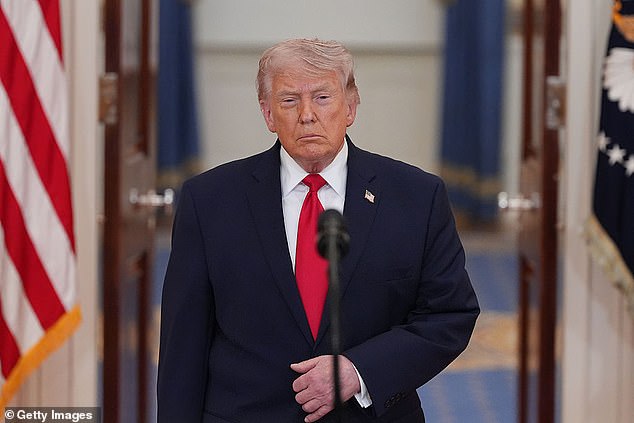
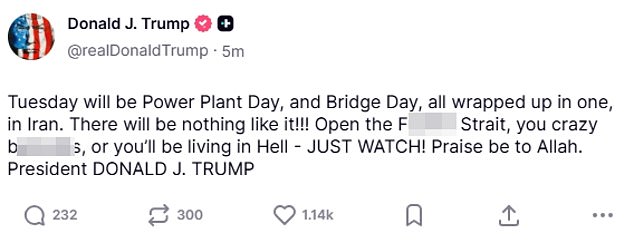
Iran has issued a stark warning to Donald Trump, stating that any further attacks on civilian targets will result in “devastating and widespread” retaliations. This follows a heated social media post by the US president, where he threatened to target Iran’s power plants if the Strait of Hormuz is not reopened. The Khatam al-Anbiya Central Headquarters, Iran’s highest operational military command unit, released a statement emphasizing that future operations would be far more severe if such actions continue.
The Strait of Hormuz, a critical waterway for global oil trade, has been effectively blocked since the war began in late February. This closure has led to a surge in oil and gas prices, causing economic instability worldwide. Trump’s threats have only added fuel to the fire, prompting Iran to escalate its response.
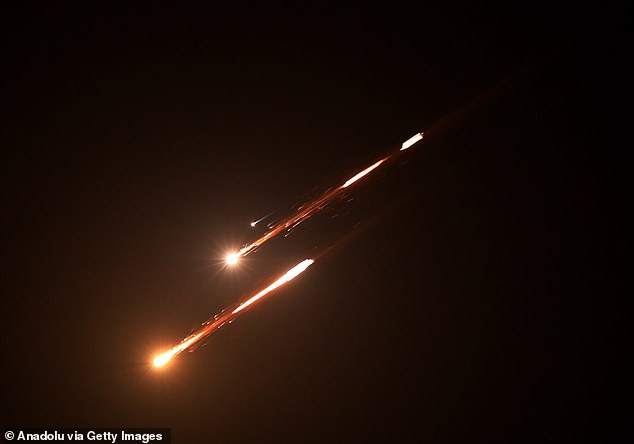
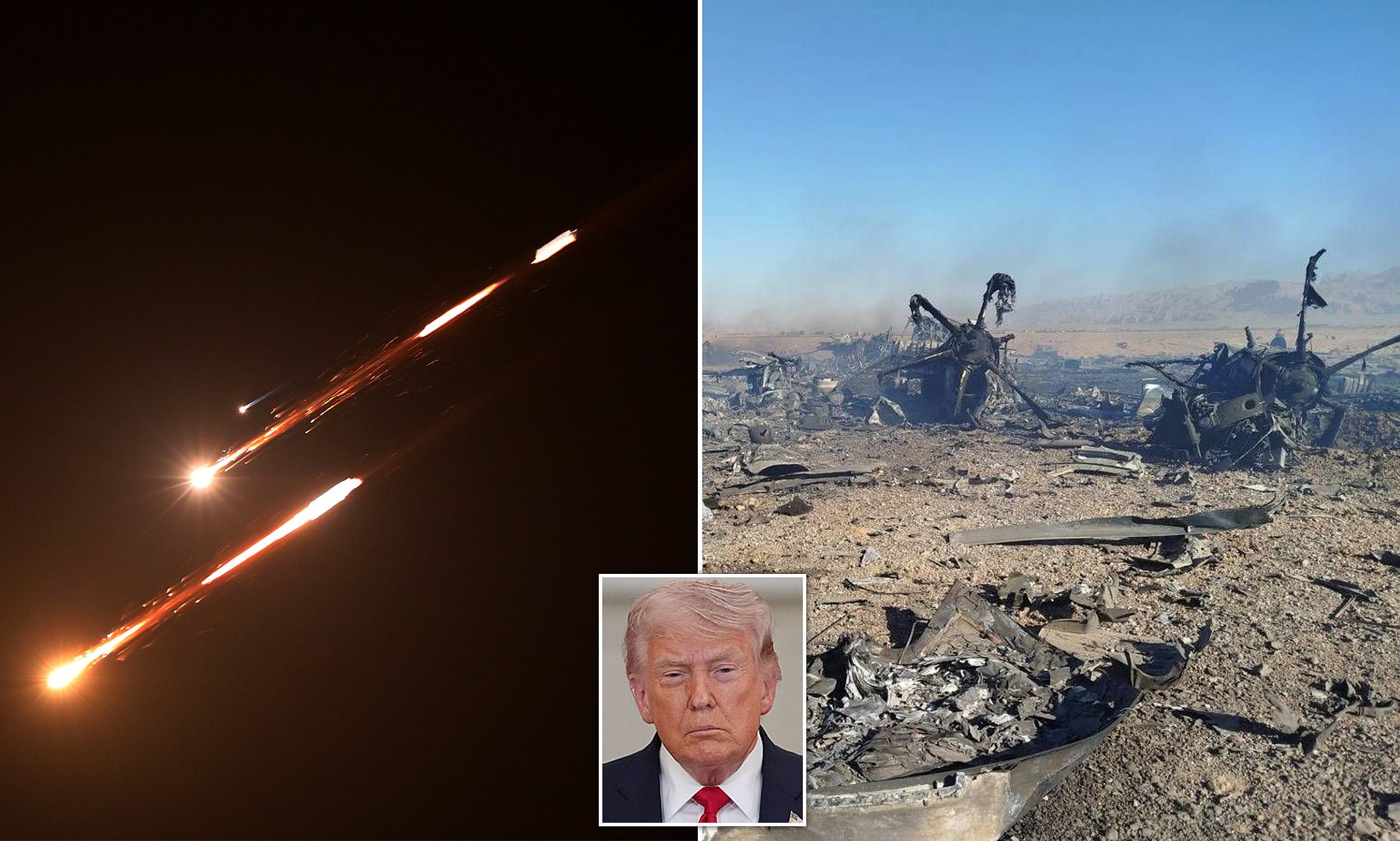
In a coordinated attack with Israel, Trump carried out strikes that resulted in over 25 deaths in Iran. Explosions rocked Tehran throughout the night, with thick black smoke rising from the Sharif University of Technology grounds. The university, which has been sanctioned for its work with the Iranian military, was targeted during this time. Meanwhile, multiple cities across Iran were hit, with casualties reported in Eslamshahr, Qom, and other areas.
Despite the high number of casualties, the Iranian government has not updated the death toll for several days. The parliamentary speaker, Mohammad Bagher Qalibaf, condemned Trump’s threats as “reckless,” while Iran’s deputy foreign minister, Kazem Gharibabadi, warned that such actions could constitute war crimes under international law.
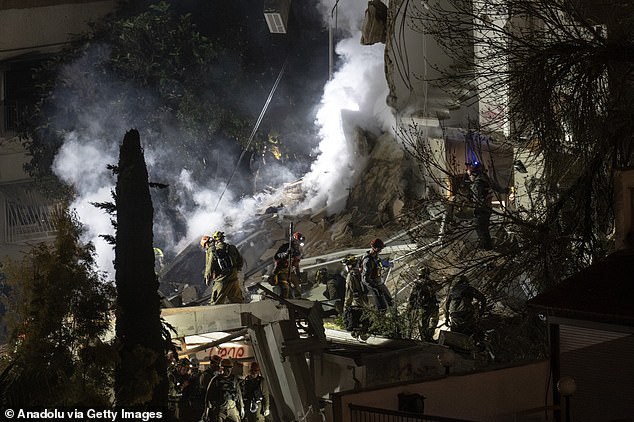
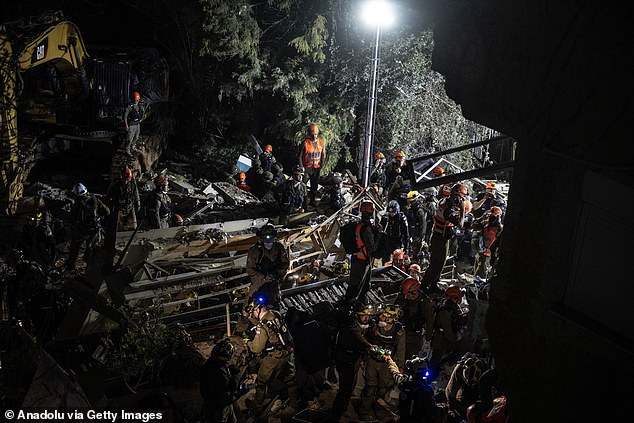
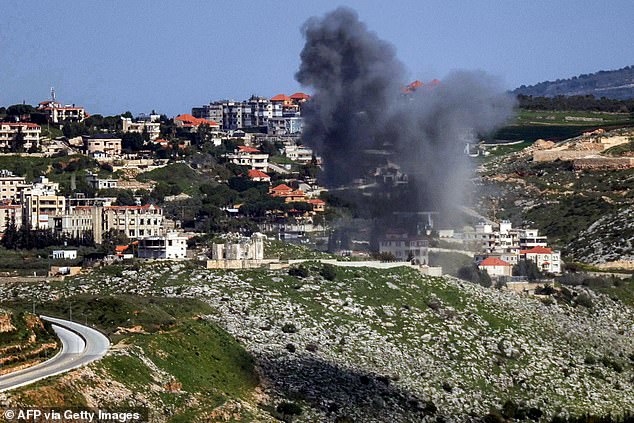
In Israel, the aftermath of the attacks included injuries from shrapnel and damaged residential buildings. Firefighters in Petah Tikva worked to manage fires and rescue individuals trapped in rubble. In Tel Aviv, a man was evacuated after sustaining injuries from glass shrapnel. Similar incidents occurred in Haifa, where missile strikes hit residential areas and a factory, leaving four people slightly injured.
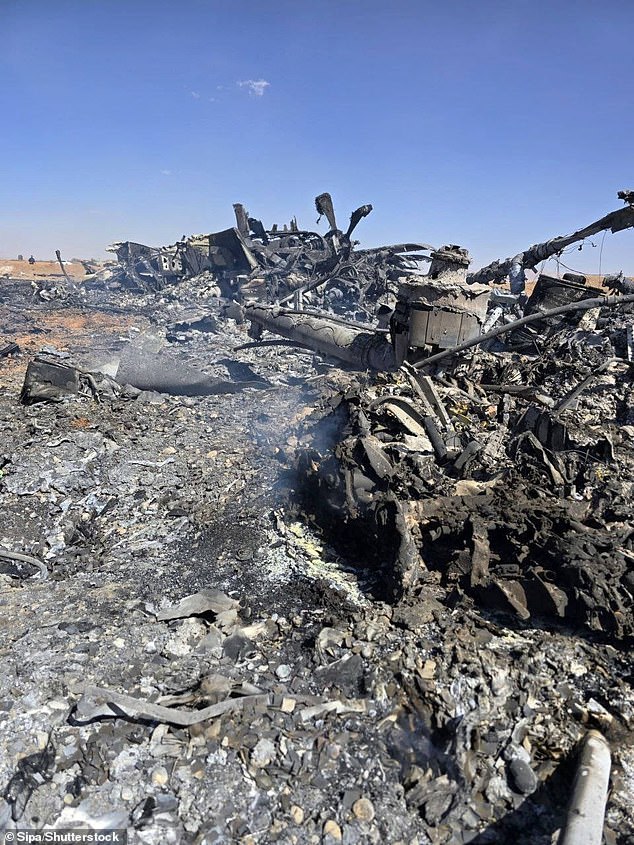
The missile attacks came just a day after another strike in Haifa, which killed two people and left others injured. Two individuals remain missing under the rubble, and their fate is still unknown. In the United Arab Emirates, a Ghanaian man was wounded by shrapnel after an Iranian missile was intercepted over Abu Dhabi.
A Daring Rescue Operation
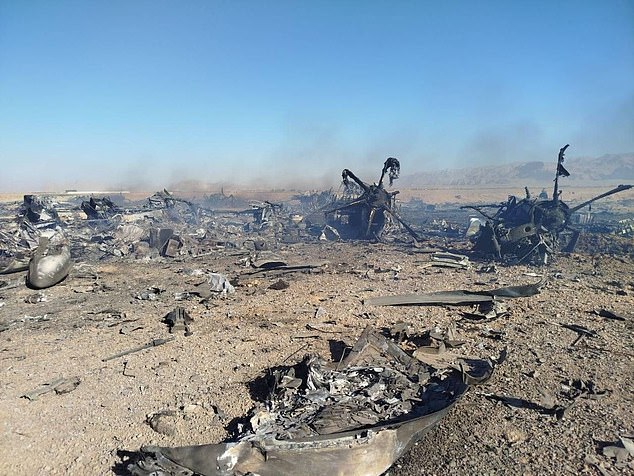
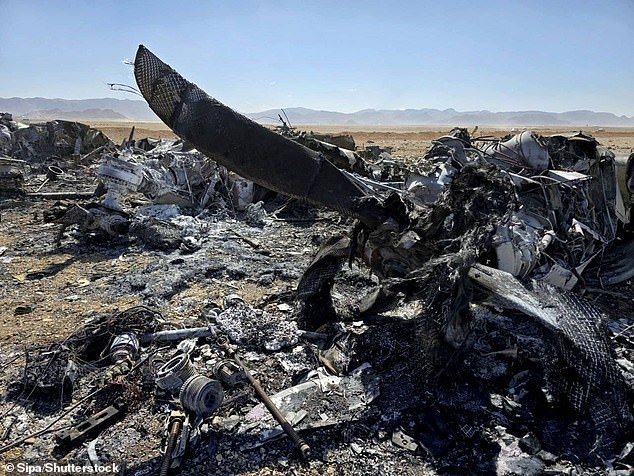
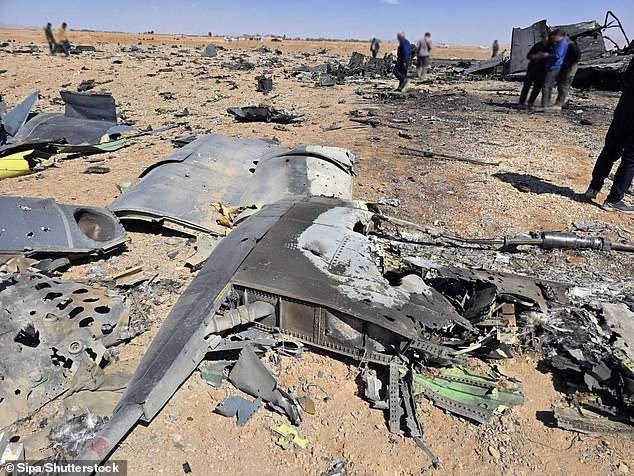
The recent attacks follow a successful rescue operation involving an American airman who had been missing for nearly two days. The airman, along with a pilot, was shot down over a remote area of Iran. While the pilot was rescued within hours, the second crew member, a highly-respected colonel, remained hidden for almost two days.
Armed with only a handgun and injured from his ejection, the colonel evaded Iranian forces while being protected by Reaper drones. A complex rescue mission involved deception tactics by the CIA, as well as military efforts to keep Iranian forces at bay. Despite the challenges, the mission was completed successfully, with no American casualties reported.
Trump hailed the operation as “one of the most daring Search and Rescue Operations in US History.” He emphasized that no American warfighter would ever be left behind, highlighting the use of advanced aircraft and weapons to ensure the safe extraction of the officer.
Diplomatic Efforts Continue
Beyond military tensions, diplomatic efforts are ongoing to find a solution for opening the Strait of Hormuz. Oman’s foreign ministry reported that officials from Iran and Oman met to discuss proposals for smooth transit through the strait. Egypt, Russia, and other nations have also engaged in discussions with US and Iranian representatives to address the crisis.
As the situation continues to evolve, the potential for further conflict remains high. With both sides issuing strong statements and taking action, the region stands at a critical juncture. The coming days will be crucial in determining whether a peaceful resolution can be reached or if tensions will continue to escalate.