The Dramatic Rescue of a U.S. Airman in Iran
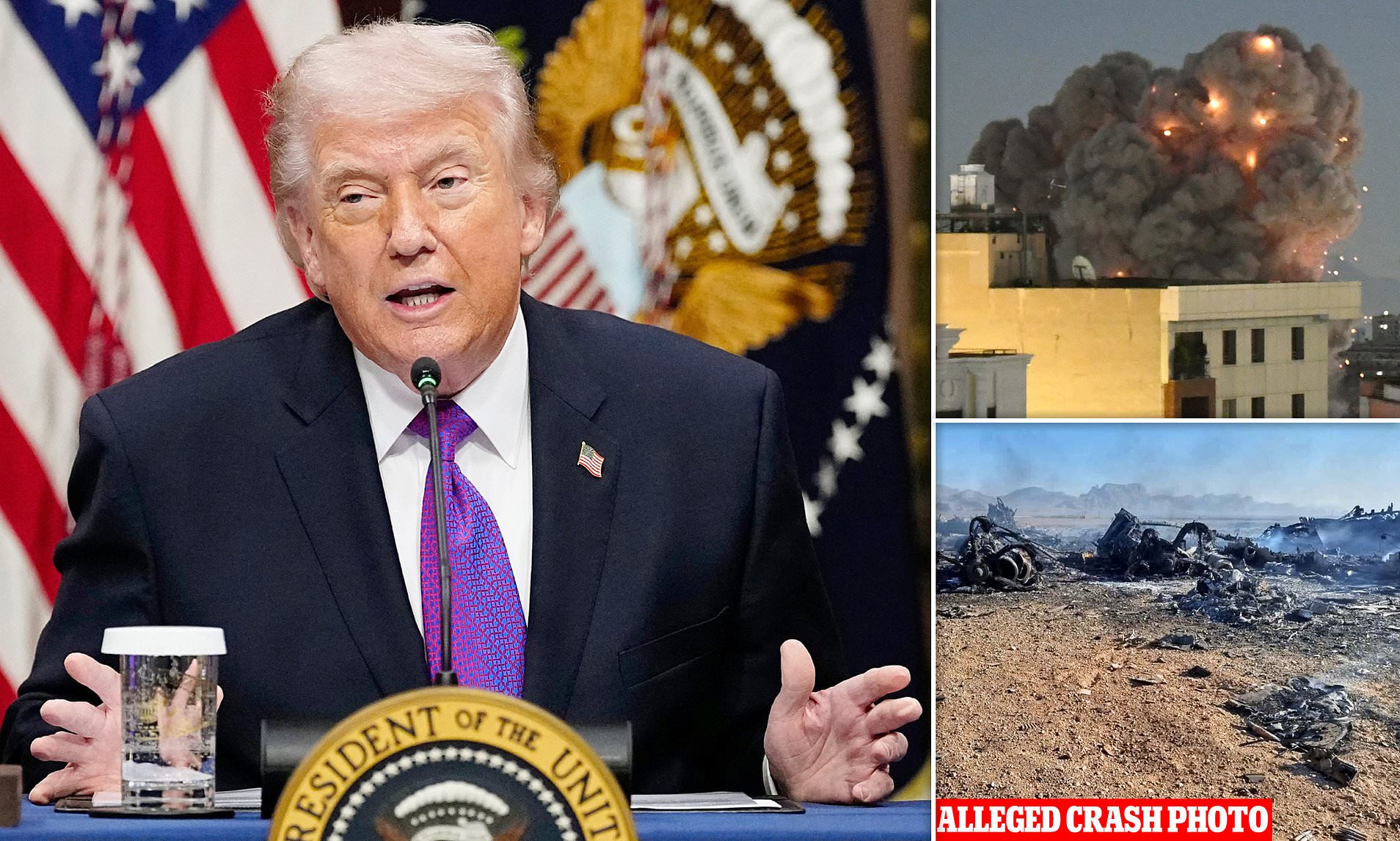
An F-15 airman who was stranded in Iran was rescued on Saturday night, but a message he radioed made Trump fear that the U.S. military was being lured into a trap. The unidentified airman, who President Donald Trump has described as a ‘brave warrior,’ got trapped behind enemy lines after his fighter jet was shot down over a remote area of Iran on Friday.
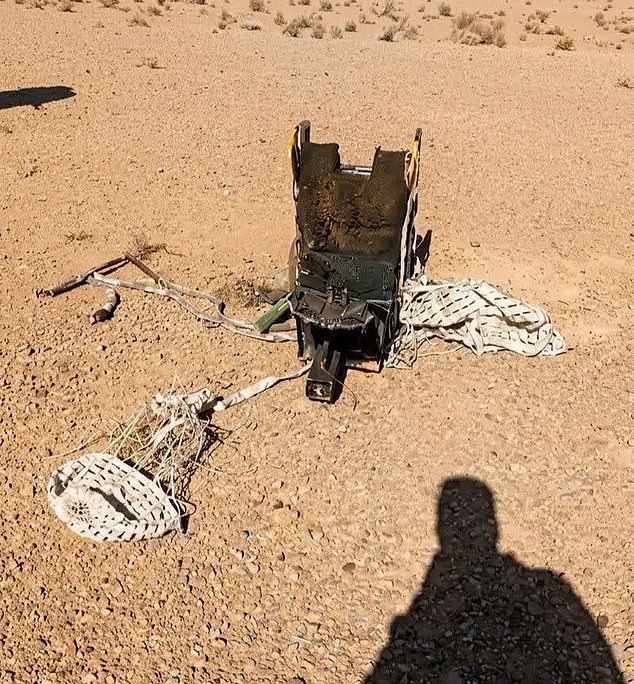
A pilot who was with him safely ejected from the aircraft and was rescued by two military helicopters that same day, but the airman remained missing for nearly 48 hours while hiding in a mountain crevice with nothing but a handgun to protect himself. In an interview with Axios, Trump said the airman had given an unusual message after ejecting from the fighter jet that aroused suspicion. The message was: ‘Power be to God.’
Trump told the outlet: ‘What he said on the radio sounded like something a Muslim would say.’ He added that U.S. officials believed the airman may have been captured by Iran and that they were ‘sending false signals’ to create a trap.
A U.S. defense official who spoke with Axios corroborated the president’s account but corrected the exact phrase said by the airman to ‘God is good.’ Other military personnel who know the airman also said he was a religious person and that it would have made sense for him to say that, Trump noted during the interview.
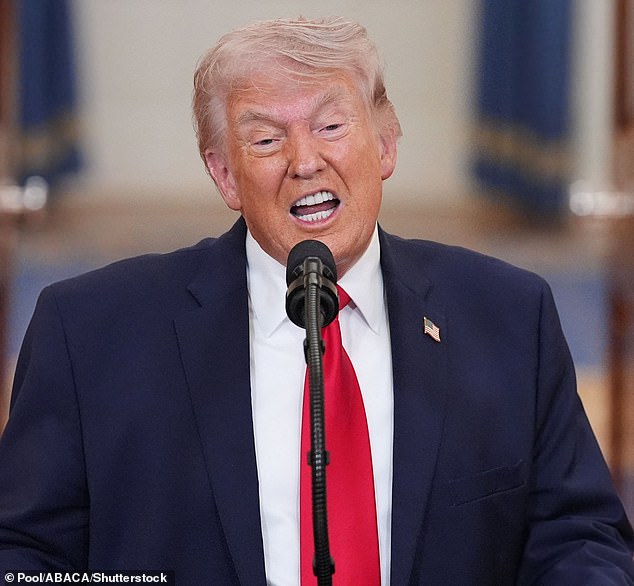
The defense official who spoke with Axios added, ‘It was not completely clear early on, but we stuck with it and verified he was alive and not captured. And those who knew him said he is religious.’ U.S. Central Command (CENTCOM) confirmed the safe recovery of the F-15 pilot and airman on Sunday afternoon and promised to continue striking Iran.
‘On April 4, U.S. forces successfully completed the rescues of two American service members from Iran after their F-15E fighter jet was shot down April 2 during a combat mission,’ CENTCOM wrote on X. ‘The service members were safely recovered during separate search and rescue missions. U.S. strikes into Iran continue as U.S. Central Command forces dismantle the Iranian regime’s ability to project power beyond its borders.’
Trump told Axios that the F-15 was shot down by a shoulder-fired missile and that the Iranian military ‘got lucky.’ Following the crash, Iranian military forces put a $60,000 bounty on the airman’s head, prompting Iranian militants to hunt for him in the mountains. He managed to evade Iranians for nearly two days by climbing a tall, narrow mountain while American MQ-9 Reaper drones hovered overhead, shooting missiles at Iranian forces as they got too close to him.
‘Thousands of these savages were hunting him down,’ Trump told Axios. ‘Even the population was looking for him. They offered people a bonus if they captured him.’
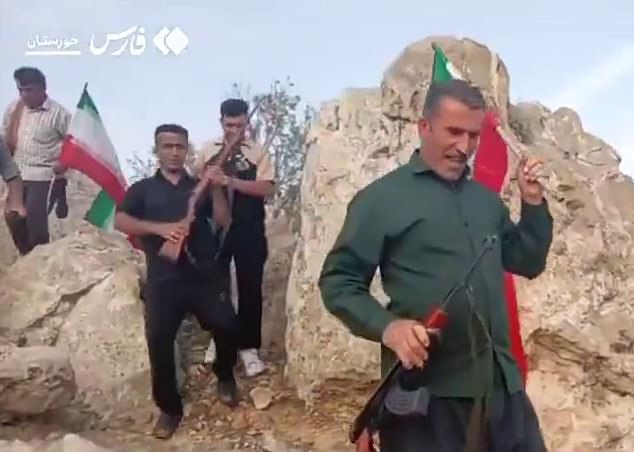
CIA agents planted fake intel that the airman had already been rescued and driven out of Iran, The New York Times reported. The strategy successfully diverted attention away from his actual location. U.S. military officials were able to pinpoint the airman’s location using ‘beeping information,’ Trump said. Around 200 soldiers from special operations units then participated in the high-risk operation to rescue the airman behind enemy lines.
A firefight broke out between U.S. forces and local militias as two transport planes and one helicopter became stuck in the mud and were unable to take off, leaving more military personnel stranded. As Basij fighters closed in on the botched rescue site, three more transport planes were flown in to evacuate the downed airman and the rescue party. They were evacuated under gunfire from the advancing Iranians.
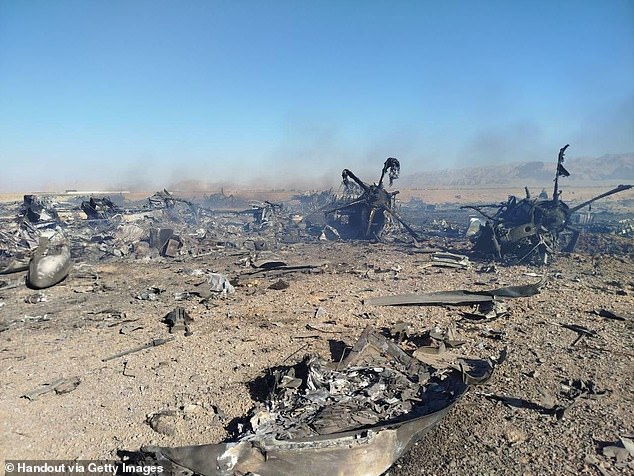
U.S. forces escaped, and a rescue plane flew the injured airman to Kuwait for medical treatment. There were no U.S. casualties. As they left, U.S. troops were forced to ‘blow up’ their own stricken planes and helicopters, to prevent them falling into the hands of the Iranian military. It was a move likely to have cost millions of dollars to the U.S. military and showed the urgency of the U.S. forces to evacuate under extreme pressure.
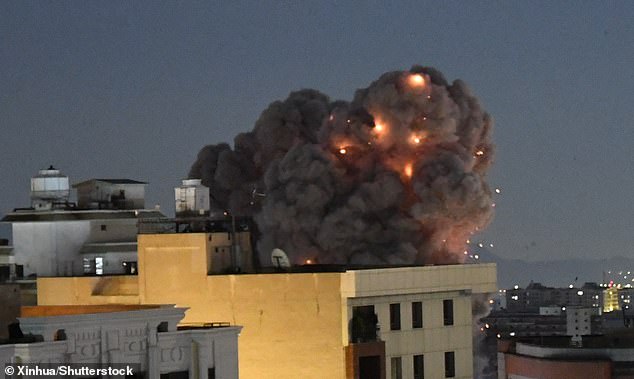
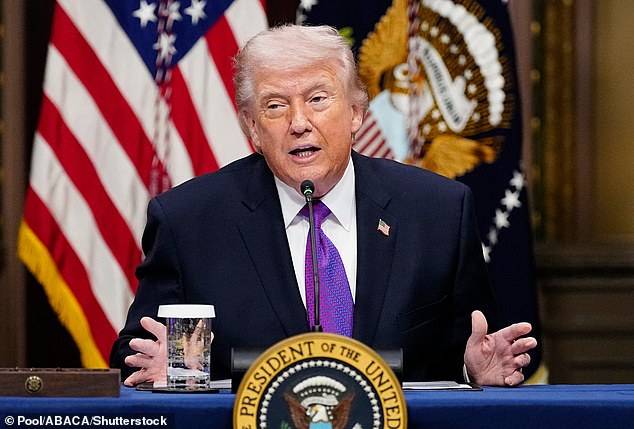
Trump touted the operation, calling it ‘one of the most daring Search and Rescue Operations in U.S. History.’ The president also shared a foul-mouthed post threatening Iran as the war rages on. ‘Tuesday will be Power Plant Day, and Bridge Day, all wrapped up in one, in Iran,’ he wrote. ‘There will be nothing like it!!! Open the Fin’ Strait, you crazy b**ds, or you’ll be living in Hell – JUST WATCH! Praise be to Allah. President DONALD J. TRUMP.’
The president’s latest threat comes just days after U.S.-Israeli air strikes destroyed Iran’s tallest bridge, killing eight people. The B1 bridge, which links Iran’s capital with the western city of Karaj, was targeted in two waves of strikes on Thursday after Trump said he would bomb Tehran ‘back to the Stone Age.’ The second attack on the 136-metre structure took place while rescue forces were at the scene helping at least 95 injured people, Iranian state media claimed.
Now, Trump said Iran’s power plants will be bombed next if the Strait of Hormuz is not reopened.
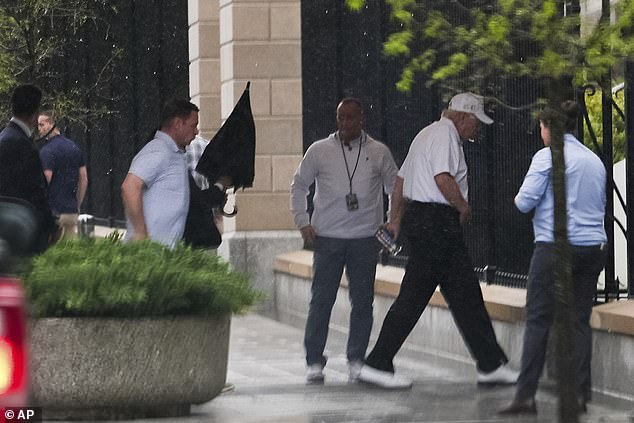
The narrow and vital waterway that is used as a high-volume shipping route has been closed since the war broke out on February 28, with Iran vowing to block ‘enemy’ ships from getting through ever since. As tensions continue to rise between America and Iran, Trump has been holed up inside the White House ‘working nonstop’ during the holiday weekend, White House communications director Steven Cheung said in a X post on Saturday. On Sunday, a photographer for Reuters captured photos of the president during a ‘brief visit’ to Trump National Golf Club in Virginia. Trump reportedly returned to the White House in the early afternoon.
How the Daring Extraction Unfolded
Friday morning, April 3. Near the village of Talkhuncheh, Isfahan Province, Iran. A F-15 E Strike Eagle is apparently hit by Iranian fire. Tehran said it is deploying new anti-aircraft weapons and there are suspicions an advanced passive infrared detection system was used to guide a missile. Both pilot and weapons systems officer eject.
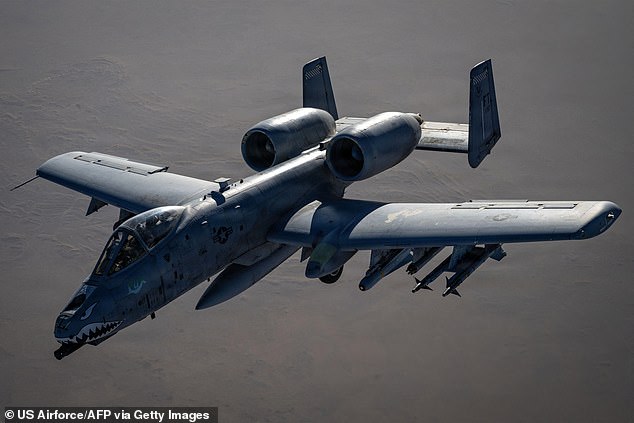
Friday daytime. Weapons systems officer, a lieutenant colonel, is injured during the ejection and becomes separated from the pilot. U.S. special forces HH-60W Jolly Green 2 helicopters fly in and come under fire from Iranians. They rescue the pilot but are unable to reach the other crewman. Two helicopters are hit and the crew are injured but they are able to escape Iranian airspace. An A-10 Warthog was also hit by fire and later crashed in the Strait of Hormuz. An MC-130J refuelling aircraft is filmed fuelling two helicopters over the crash site. Iranians are also filmed firing at one rescue helicopter.
Hours 1-12. The Weapons Systems Officer starts hiking away from the wreck site and evades detection by Iranian Forces. Armed with just a hand gun and injured but mobile, the senior officer headed for higher ground. The experienced colonel used his SERE training (Survival, Evasion, Resistance, and Escape), an escape doctrine drilled into every American combat aircrew. He activated his emergency beacon and lay low, waiting for an unlikely rescue. Although he could use his emergency beacon to contact rescuers, it also risked giving his location away to the enemy.
Hours 12-24. American forces hunt for the officer, while he hiked at least 20 kilometres and climbed 7,000 feet up a mountain. He is eventually located by the CIA, although it is unclear how. The CIA starts a deception operation to convince Iranians that the officer has already been rescued. MQ-9 Reaper Drones watch over the officer and attack any Iranians who get within 3 kilometres of his location. Two drones were shot down and they attacked multiple Iran Revolutionary Guard Corps search parties. Iranian media offers a $60,000 reward for the capture of the officer.
Saturday morning. U.S. special forces launch a second rescue mission with commandos from the elite SEAL Team 6, also known as DEVGRU and land at a desert airstrip near the town of Mahyar. The Navy Seals fly in four MH-6 Little Birds and rescue the officer from the mountain top, before returning to the desert airstrip.
Saturday afternoon. The two C-130 aircraft got stuck in the dirt at the desert landing strip, forcing the U.S. to deploy three new Dash-8 rescue aircrafts. The commandos blow up the two stuck aircraft and at least one helicopter, to deny them to the enemy, before making their escape.