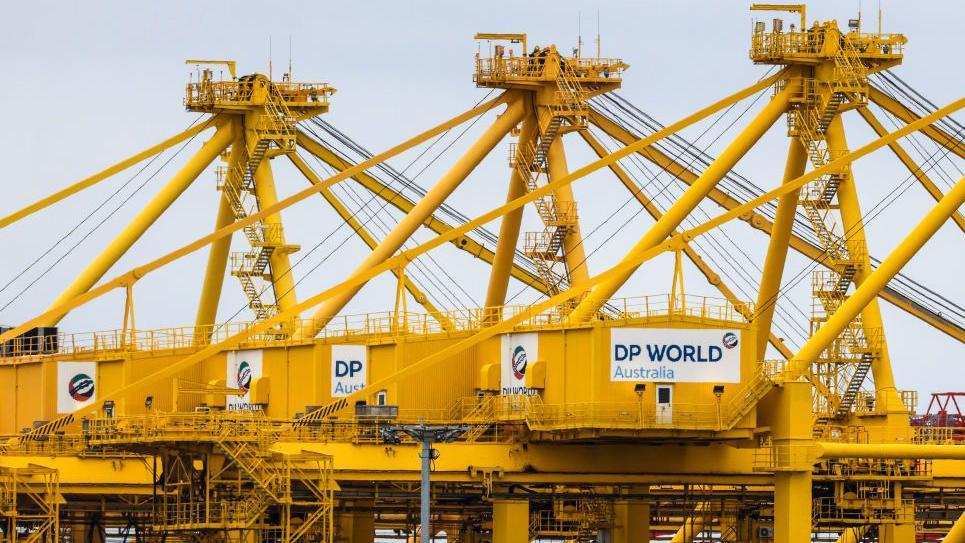
The Rise of AI in Australian Ports and the Workers’ Response
Australian dock workers are currently pushing for a significant change in their working conditions, demanding a 28-hour work week without any reduction in pay. This demand comes as the use of artificial intelligence (AI) and automation continues to expand across the country’s ports, raising concerns among workers about job security and fair treatment.
The push for AI integration is being led by DP World, a major player in port logistics. The Maritime Union of Australia (MUA) has expressed serious concerns, stating that the company’s actions have put workers’ jobs “in the crosshairs.” The union emphasizes that while AI and automation can bring efficiency, they should not come at the cost of workers’ livelihoods or lead to job losses.
The MUA stated: “If DP World wants AI and automation, then they must pay the social dividend. The new technology doesn’t have to cost our members their jobs or put their livelihoods at risk just so a terminal operator can boost profits.” This sentiment reflects the broader anxieties among workers who fear that technological advancements could threaten their employment.
DP World, based in Dubai, has been increasingly testing AI tools to manage employees and work schedules, according to a study commissioned by the MUA. The research highlights a pattern of implementing AI in operations without proper consultation, which could potentially impact up to a thousand jobs or more than 60% of the dock and maintenance workforce.
In addition to AI-driven scheduling, DP World has proposed the use of AI-assisted remote-control cranes and driverless vehicles. These developments are seen as a double-edged sword—while they may improve operational efficiency, they also raise questions about the future of human labor in the industry.
The union has called for a 28-hour work week, arguing that technology should be used to enhance workers’ lives rather than replace them. This call for a shorter workweek is part of a broader movement advocating for better working conditions and fair treatment of laborers in the face of rapid technological change.
According to the Australian Financial Review, which first reported on the negotiations, DP World dock workers are currently working around 32 to 35 hours a week, depending on their location. The union’s demands reflect a desire to balance productivity with worker well-being, ensuring that technological progress does not come at the expense of employees.
DP World is one of the world’s largest port operators, managing millions of shipping containers annually through its ports in Sydney, Melbourne, and other locations across Australia. As the company continues to explore AI and automation, the debate over how these technologies will shape the future of the industry remains a critical issue for workers and management alike.
Key Concerns and Implications
- Job Security: The introduction of AI and automation raises concerns about potential job losses, especially in sectors like dock and maintenance work.
- Working Conditions: Workers are seeking a reduction in working hours without a loss of income, emphasizing the need for a balanced approach to technological integration.
- Consultation and Transparency: The lack of genuine consultation from companies like DP World has led to distrust among workers, highlighting the importance of involving employees in decision-making processes.
- Social Dividend: The union argues that the benefits of AI should be shared with workers, ensuring that technological advancements contribute to improved living standards rather than just corporate profits.
As the discussion around AI in the workplace continues, it is clear that the interests of both employers and employees must be carefully considered. The challenge lies in finding a way to embrace technological innovation while safeguarding the rights and well-being of workers.