Australia Secures Fuel Supplies Amid Rising Concerns
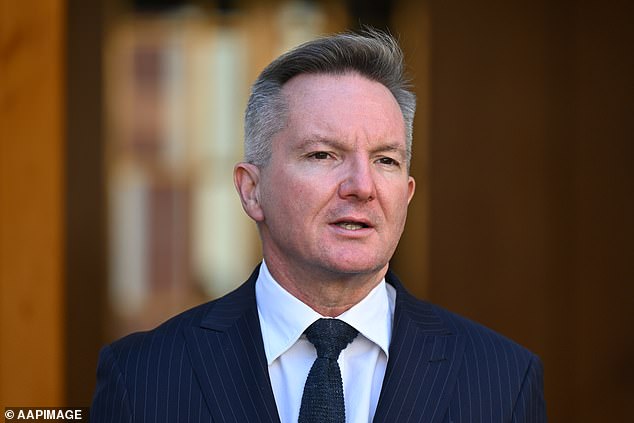
Australia has managed to secure another month’s worth of fuel, providing some relief to consumers and motorists who are bracing for higher prices at the pump and in supermarkets. Energy Minister Chris Bowen confirmed that the nation’s fuel supply, which was initially expected to last until mid-April, has now been extended into May.
“All the orders are locked in, contracted,” Bowen said during an interview with ABC’s Radio National on Monday. “Once it’s contracted, the fuel belongs to the Australian company that’s bought it, so that is legally locked in. That’s encouraging.”
Bowen highlighted that 3.7 billion litres of various types of fuel are currently en route to Australia this month, a development that is expected to ease pressure on retailers following a busy Easter period.
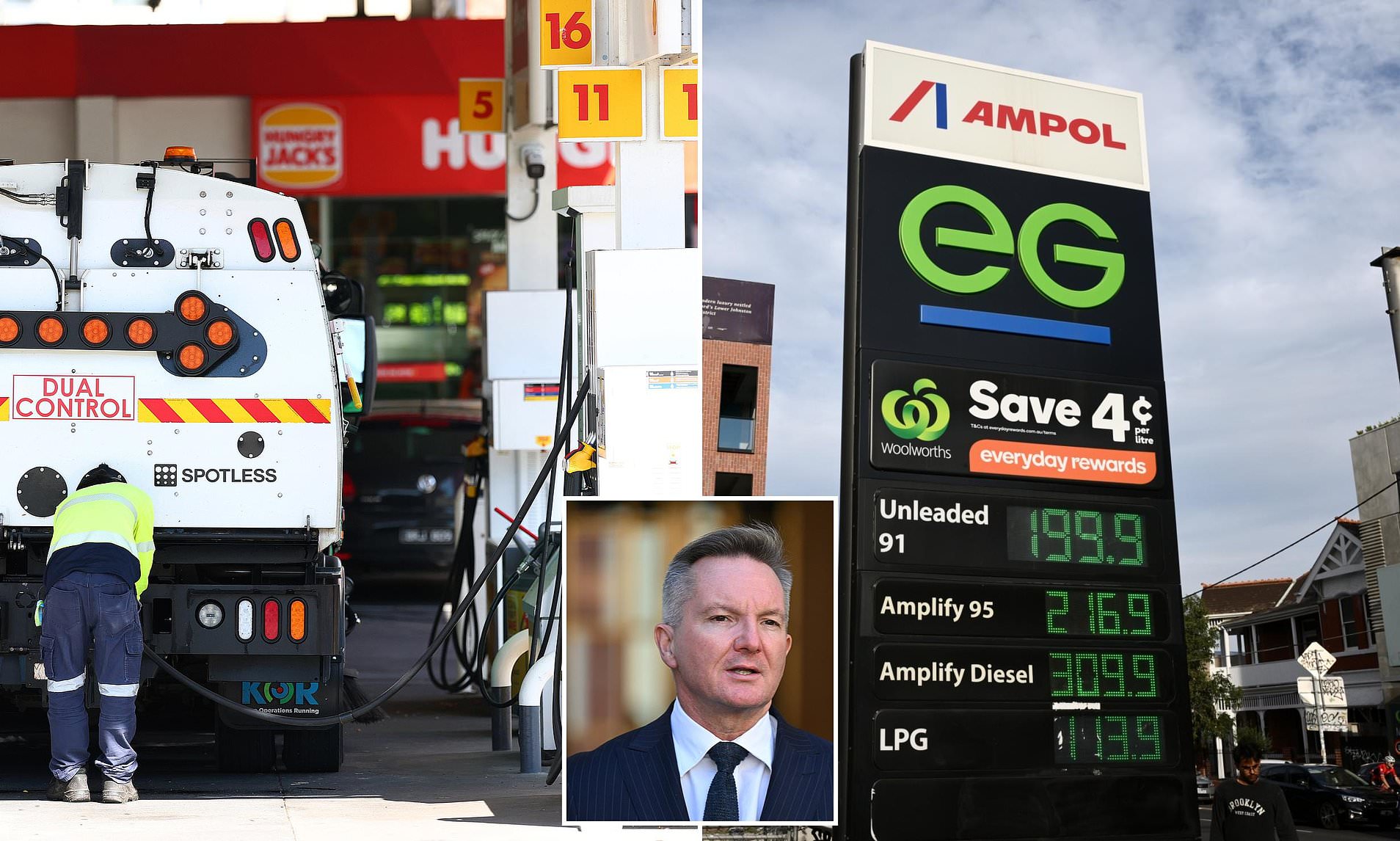
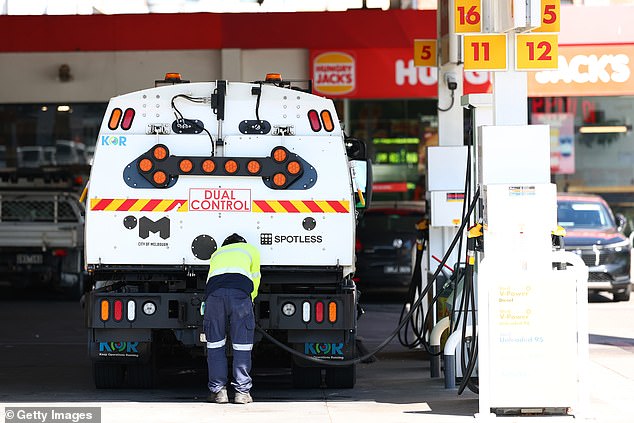
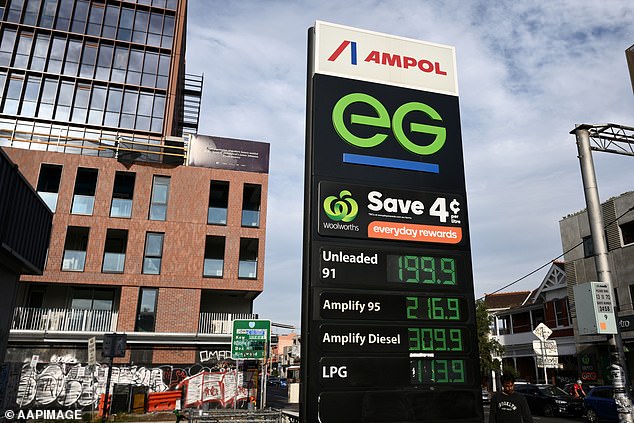
However, despite these efforts, some service stations across the country remain without diesel or fuel. As of Monday, 142 service stations in New South Wales (NSW) still lack diesel, while 39 have no fuel at all. Nationally, 3.4 per cent of service stations are without diesel.
The situation varies by state:
- Victoria: 51 stations without diesel, 30 without fuel
- Queensland: 38 stations without diesel, 32 without fuel
- South Australia: 9 stations without diesel, 5 without fuel
- Western Australia: 19 stations without diesel, 29 without fuel
- Tasmania: 7 stations without diesel, 7 without fuel
- ACT: 4 stations without diesel, 2 without fuel
Bowen explained that NSW has seen a higher number of affected stations due to agricultural activities, such as seeding and sowing, where diesel is prioritized. He also noted that fuel companies have increased their truck fleets by 20 per cent over the Easter period.
International Fuel Supply Guarantees
The government has secured assurances from key international partners, including Japan, South Korea, and Singapore, that fuel shipments to Australia will continue as normal. Assistant Foreign Affairs and Trade Minister Matt Thistlethwaite confirmed these commitments during an interview with Sky News.
“I met last week with the Japanese minister and requested that supply continue,” he said. “They’ve given us an assurance that normal supply will continue. I’ve done a similar thing with the South Koreans, and they’ve given us assurances, and Singapore as well.”
Australia relies heavily on imported refined fuel, with about 90 per cent of its supply coming from Asian refineries. However, disruptions in the Strait of Hormuz have caused significant challenges for crude oil flows. In response, Asian mega-refineries are diversifying their crude sources, a move that Bowen described as “very important for Australia.”
Petrol imports are dominated by Singapore, which supplies approximately 54.7 per cent of Australia’s needs, followed by South Korea (22.5%) and India (11.5%). Smaller volumes come from countries like Japan, Brunei, and several European nations.
Diesel supply is concentrated among a few key partners, led by South Korea (28.8%), followed by Singapore (15.4%) and Malaysia (14.4%).
Australia now holds fuel reserves equivalent to 39 days’ worth of petrol, 29 days of diesel, and 30 days of jet fuel. Over 50 fuel shipments are expected to arrive in the next month.
Thistlethwaite emphasized that Australia is broadening its fuel sources, leading to more tankers arriving from the United States. “We’re covering all the bases to make sure that we diversify our supply and get as much through as we possibly can,” he said.

Analyst Warnings and Diversification Efforts
While the government’s actions provide short-term relief, energy analysts warn that long-term strategies are needed to address Australia’s dependence on foreign fuel sources. Saul Kavonic, an energy analyst at MST Financial, stated that Australia has “ceded our fuel security to foreign powers.”
“This is a wake-up call for Australia to become more self-sufficient in fuel again,” Kavonic told Sky News. “The next disruption to maritime trade could occur closer to home in the Pacific, leaving Australia without any fuel, and our economy would grind to a halt within weeks.”
Others, however, see the current situation as an opportunity for diversification. Peter Khoury of NRMA noted that the government’s decision to lower the flashpoint for diesel has opened the door for more fuel imports from the United States.
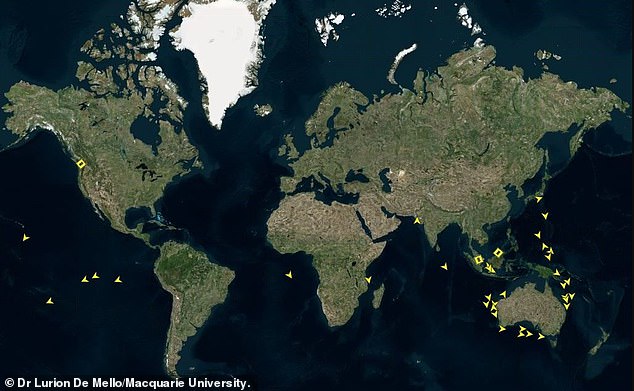
Lurion De Mello, a senior lecturer at Macquarie University, estimated that Australia would receive an extra 10 to 15 fuel shipments in April above normal levels. “There has been an extraordinary uptick in numbers—usually, you would not get so many tankers,” De Mello said.
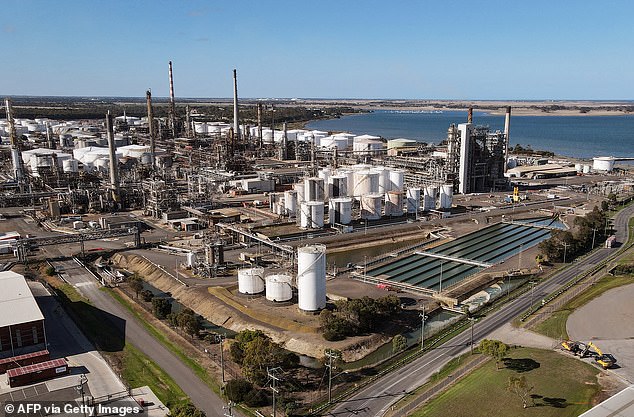
Viva Energy’s Scott Wyatt confirmed that its Geelong refinery and import infrastructure, which account for about 30 per cent of supply, are locked in until June. The company is sourcing additional cargoes from the US and South America.
Economic Impacts and Future Outlook
Despite temporary tax cuts on petrol and diesel, the full impact of rising global oil prices has not yet been offset. The slow flow of ships carrying supplies through the Strait of Hormuz, effectively blockaded by Iran, continues to strain the market.
David Ubilava, associate professor of economics at the University of Sydney, warned that the effects of the conflict could last for months. “Not only will the price of fuel go up, but so will transportation costs and, as a result of fuel surcharges, deliveries, groceries, and restaurants will become more expensive as those costs are passed onto the consumer.”
He also pointed to the potential for higher interest rates as the Reserve Bank attempts to curb household spending. While forecasting remains difficult, Ubilava noted that the current crude oil price, close to $US110 per barrel, is unlikely to return to pre-war levels of around $US70.
As tensions in the region continue, the situation remains fluid, with the potential for further economic and geopolitical consequences. The Department of Foreign Affairs and Trade has not yet responded to requests for further comment.
Read more