A Global Energy Crisis and the Urgency of Renewable Investment
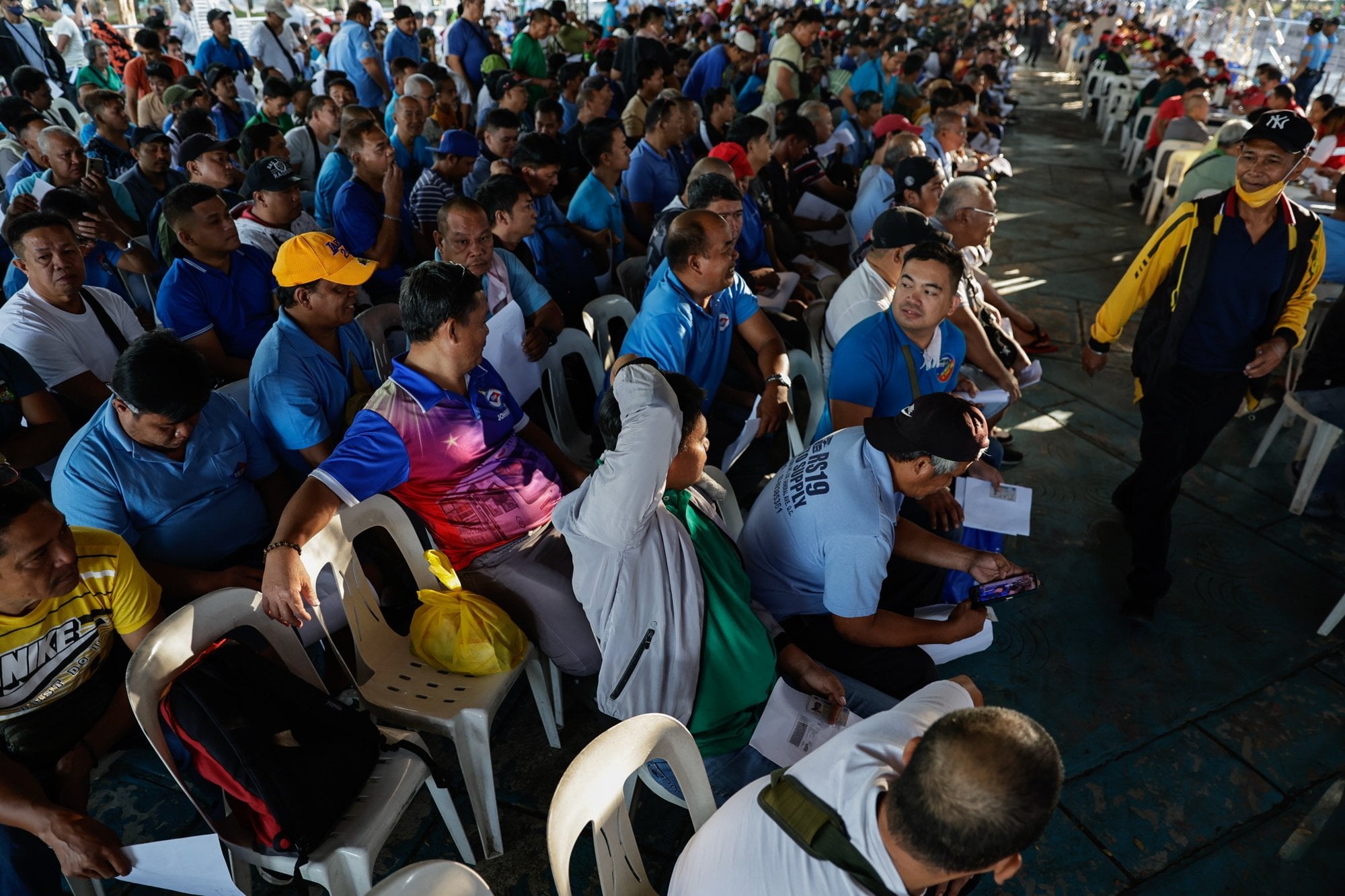
In various parts of Southeast Asia, the ongoing energy crisis has become a stark reminder of the region’s reliance on fossil fuels. In Manila, tricycle drivers can be seen queuing from early morning for government cash handouts meant to offset the rising fuel prices, which have surged due to the closure of the Strait of Hormuz by Iran. The Philippines has even declared a state of national energy emergency, highlighting the severity of the situation.
Meanwhile, in Hanoi, petrol stations are rationing fuel by the hour, with unleaded prices increasing by over 20% in just weeks. In Jakarta, the government is implementing a work-from-home policy for civil servants one day a week to reduce fuel consumption. Singapore, known for its meticulous energy planning, has also warned residents that electricity prices may rise in the coming months and urged them to conserve energy.
As an executive observing these developments across Singapore, Indonesia, and other parts of Southeast Asia, I have felt a sombre recognition of the challenges at hand. From announcements encouraging commuters to use public transport to interviews with delivery drivers feeling the impact of rising fuel prices, the situation reflects how ordinary people are bearing the cost of geopolitical shocks they had no part in creating.
For business leaders like myself, the past weeks have felt like a pendulum swinging between relief and alarm. One day, signals suggest the crisis may soon resolve, with markets recovering and oil prices easing. The next day, fresh escalations reverse the mood entirely, causing prices to fluctuate and business plans to be revised repeatedly.
This oscillation is not just uncomfortable; it serves as a structural warning about the fragility of economies built around energy dependence on certain commodities tied to an uncertain geopolitical landscape.
Even if the conflict ends tomorrow, the consequences will linger. The International Energy Agency (IEA) has warned that at least 40 energy assets across nine Middle Eastern countries have been severely damaged—oil and gas fields, refineries, pipelines—and all are expected to take considerable time to repair. IEA Executive Director Fatih Birol has described the cumulative impact as worse than the two oil shocks of the 1970s and the Russia-Ukraine gas crisis combined. Thus, supply constraints may outlast sensational headlines, and prices may remain unsettled long after any ceasefire, if one occurs.
The case for domestic renewable deployment, turning waste into power, electrifying transport fleets, and building energy systems less exposed to global geopolitical fractures has always been sound. Transitioning to renewable energy was never simply about meeting ESG metrics; it was about achieving energy independence and security.
However, what the Hormuz crisis has clarified with urgency is that energy dependence is not just an environmental issue waiting to be solved. It is an economic vulnerability being felt now, in household budgets and government balance sheets across the region. What was once a minor point in boardroom discussions has now moved to mainstream economics.
The wait-and-see approach is no longer viable. Southeast Asia cannot afford to delay investments in alternatives any longer, despite this approach characterizing much of the region’s energy policy debate.
The solution to this structural problem should not just be temporary fixes, such as finding alternative oil sources or implementing work-from-home policies. Instead, we should seize the opportunity this crisis presents to reframe how Southeast Asia thinks about the energy transition.
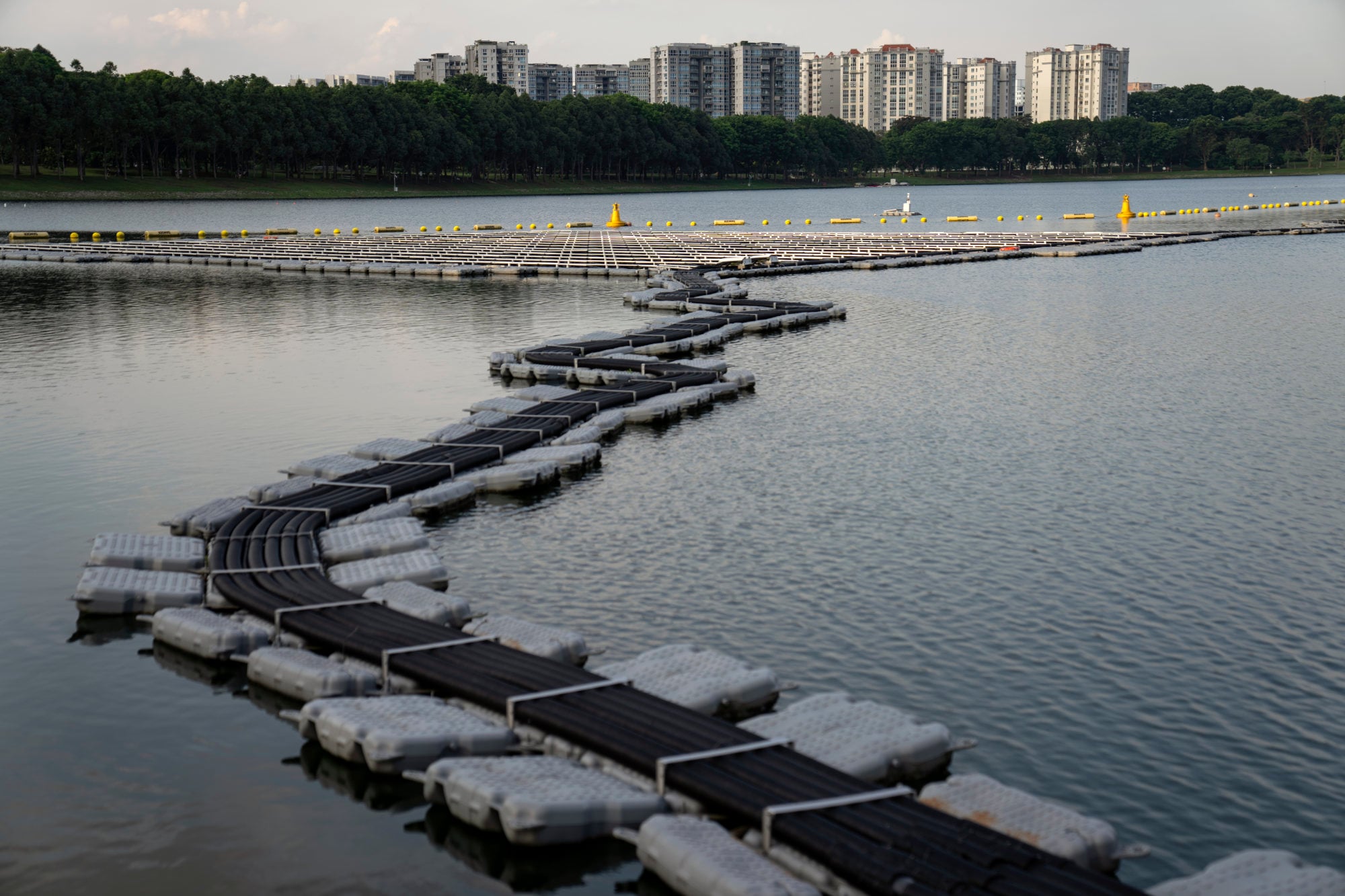
Domestic renewables are not an imported commodity subject to distant geopolitics. Biomass, solar power, and hydropower potential exist right in our backyard. Electric mobility, powered by domestically generated electricity, can insulate millions of commuters and gig workers from fuel price volatility outside their control. These alternatives are not merely desirable; they are strategic and necessary.
As a business that began transitioning to green sectors before the current war broke out, we have found that the shift is feasible, although difficult. Renewable and EV technology costs have fallen, with some hitting price parity, and capital increasingly flows towards low-carbon solutions. What has been absent until now, however, was the urgency to treat them as priorities rather than aspirations.
When I attended Cop26 in Glasgow in 2021—as a businessman, not an activist—I left with one clear takeaway: the shift away from coal was no longer a matter of if, only when. For a company still generating the bulk of its cash from coal, that made for an uncomfortable flight home.
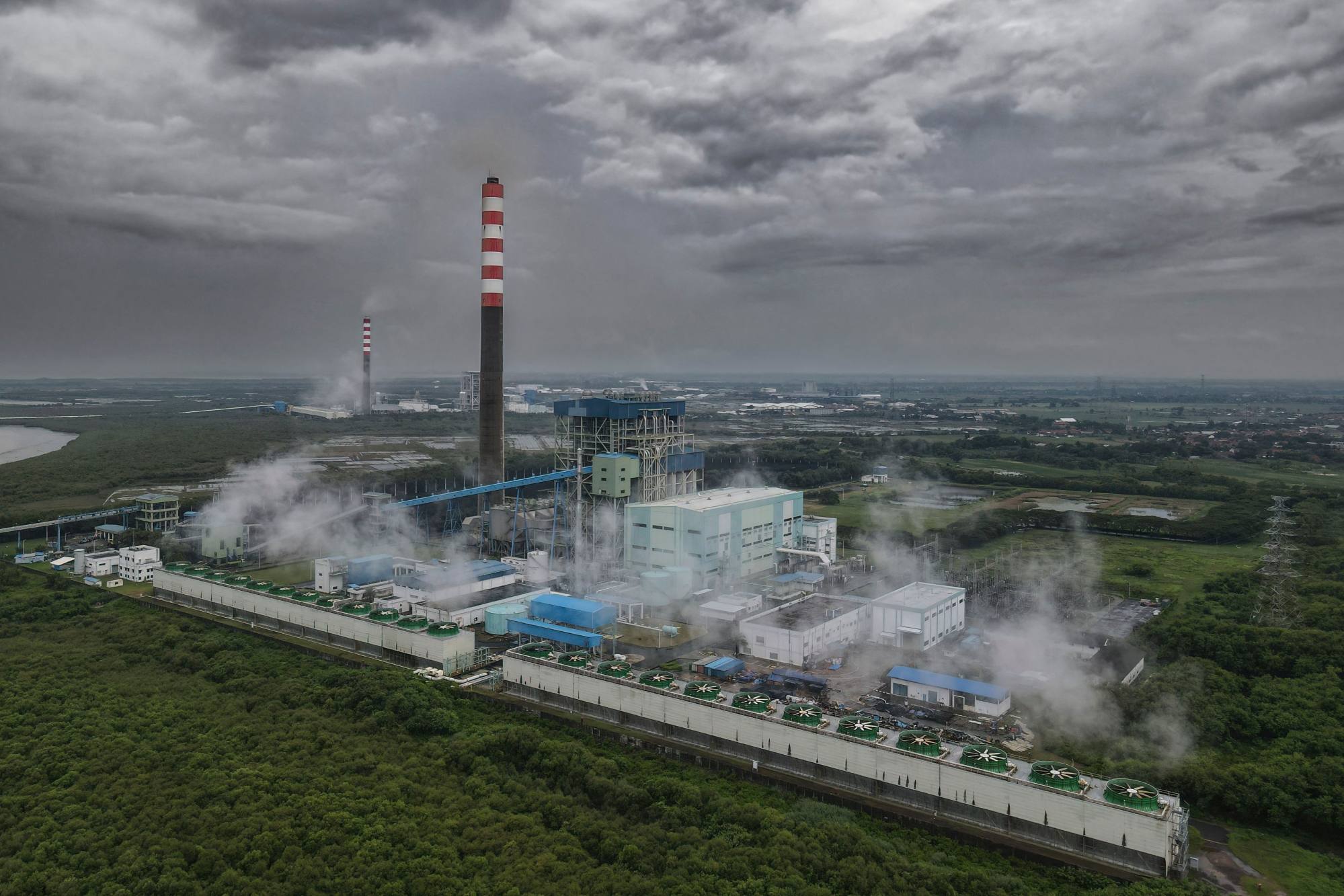
The market imperative is clear. The IEA projected that global coal demand would plateau in 2025 before descending all the way to 2030. Renewables, meanwhile, are on track to become the primary global power source, accounting for about 45% of total electricity generation by the end of the decade. Following the old playbook has become a financial risk.
Ultimately, our responsibility as business leaders is to deploy capital where the future demand curve is heading. We must weigh the potential of new energy markets against the growing risk of staying in a fossil-fuel comfort zone we can no longer afford to maintain.
But watching the queues at petrol stations from Manila to Hanoi, I find myself more convinced than ever that the underlying logic holds: energy dependence is a vulnerability, and building alternatives is an act of economic self-determination far more durable than betting on any single commodity cycle.
The crisis in the Strait of Hormuz may or may not end soon. But once it passes, the question Southeast Asia must answer is not how quickly we can return to the way things were. It is whether we have the will to build something more resilient in its place.