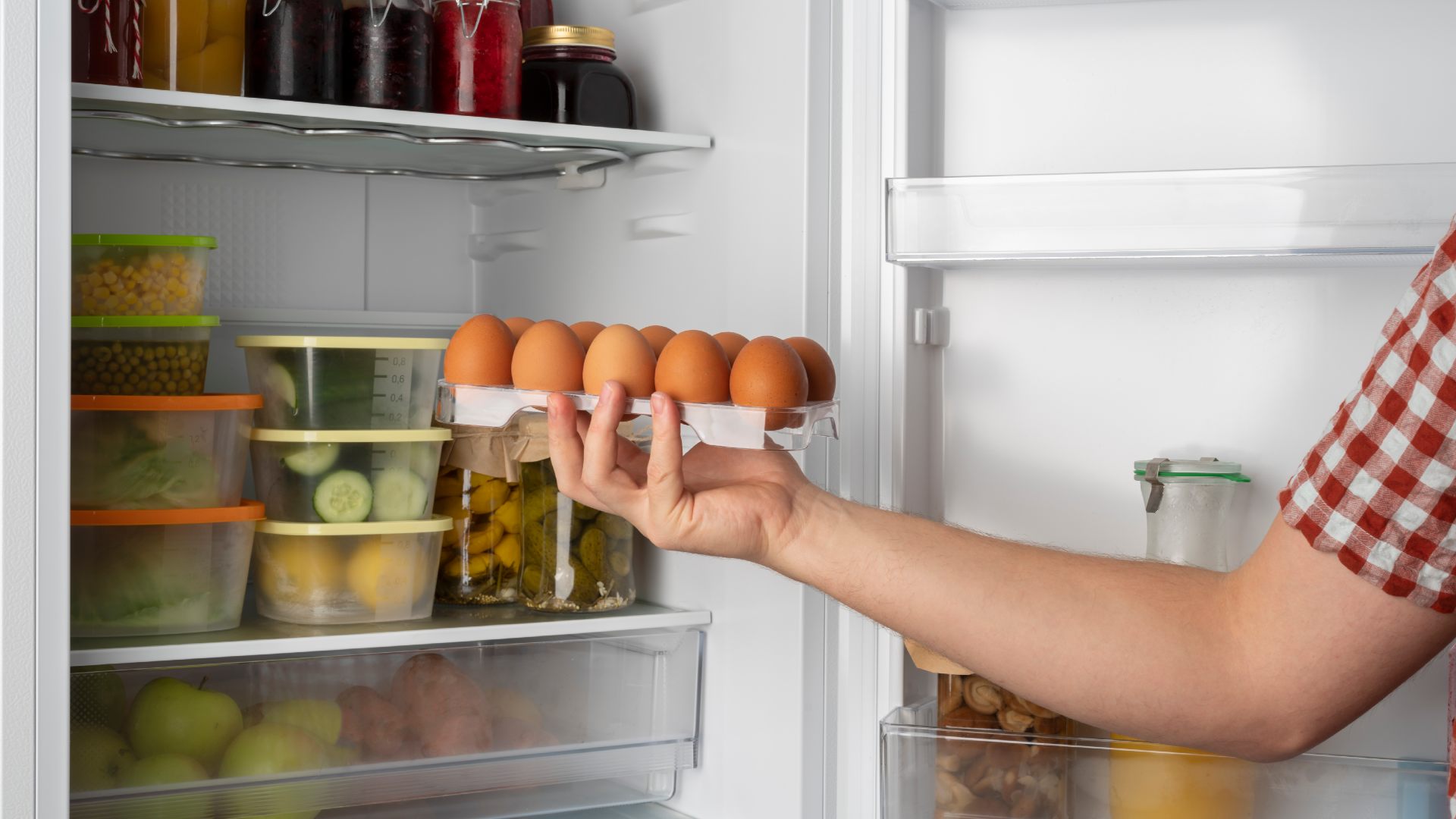
Rethinking Your Egg Storage: A Malaysian Perspective on Freshness and Safety
The common practice of storing eggs in the refrigerator might be deeply ingrained for many, but in Malaysia, as in many parts of Europe, this habit could inadvertently compromise the freshness and safety of your eggs. Understanding the science behind egg preservation, particularly the role of the natural protective layer on the shell, is key to optimising their shelf life and preventing potential contamination.
The Fridge Dilemma: Why It’s Not Always the Best Place
Unlike eggs commonly sold in countries like the United States, eggs in Malaysia (and across much of Europe) are typically not washed before they reach consumers. This crucial step leaves the eggshell’s natural cuticle intact. This thin, invisible film acts as a vital barrier, effectively sealing the pores of the shell and protecting the egg’s contents from harmful bacteria, most notably Salmonella.
When you refrigerate eggs and then remove them for cooking, a common scenario in many Malaysian households, the temperature difference can cause condensation to form on the shell. This moisture can weaken the protective cuticle. Paradoxically, this process can make the egg more susceptible to bacterial invasion, increasing the risk of contamination rather than preventing it.
Food safety experts often recommend storing eggs at a stable room temperature, ideally between 13°C and 18°C. This range ensures the eggs remain fresh and safe for consumption for up to 28 days from their laying date, provided they are stored correctly. For Malaysian consumers, this means a shift from the automatic fridge-to-table approach.
Mastering the Art of Egg Preservation: Golden Rules for Optimal Freshness
To ensure your eggs maintain their quality and safety, consider these guidelines:
-
Room Temperature Storage: The Preferred Method
For eggs purchased in Malaysia, storing them at a stable room temperature is generally the most effective method.- Always store eggs with the pointed end facing downwards. This helps keep the yolk centred and prevents it from rupturing the air cell, which can affect freshness.
- Keep eggs in their original carton. The carton provides protection, prevents them from absorbing odours from other foods, and clearly displays the best-before date.
- Position the carton away from direct sunlight and strong-smelling items like onions, garlic, or potent cheeses. These odours can permeate the shell and affect the egg’s flavour.
-
Refrigeration: When It Becomes Necessary
There are specific circumstances where refrigeration might be advisable, but it requires careful consideration:- If you have purchased eggs that have already been subject to a cold chain, meaning they have been refrigerated since purchase, and you can maintain that cold chain.
- Always place refrigerated eggs in the central part of the refrigerator, not in the door. The door experiences frequent temperature fluctuations, which can lead to condensation and compromise the shell’s integrity.
- Keep eggs in their original packaging even when refrigerating.
- To minimise condensation, avoid removing eggs from the refrigerator until you are ready to use them.
A simple cardboard box placed on a cool kitchen counter, away from heat sources and strong odours, can often be the best solution for everyday egg storage in Malaysia. This approach not only helps preserve the eggs’ quality and nutritional value but also reduces the risks associated with temperature fluctuations and unnecessary handling.
Additional Essential Egg Safety Tips
Beyond storage, several other practices are crucial for egg safety:
- Never Wash Your Eggs: Washing removes the protective cuticle and can push bacteria into the pores of the shell.
- Discard Cracked Eggs: Eggs with cracked shells are vulnerable to bacterial contamination and should be discarded immediately.
- Cook Thoroughly for Vulnerable Groups: For young children, pregnant women, the elderly, and individuals with weakened immune systems, it is essential to cook eggs thoroughly until both the yolk and white are firm.
Insights from Food Safety Authorities
Organisations such as the European Food Safety Authority (EFSA) highlight that storing eggs for extended periods, even when refrigerated, can increase the risk of Salmonella contamination. In France, the national agency ANSES (the French Agency for Food, Environmental and Occupational Health & Safety) advocates for room temperature storage for untreated eggs and stresses the importance of checking expiration dates. While refrigeration is beneficial for washed eggs, maintaining a consistent, moderate temperature is paramount for the preservation of freshness and safety in untreated eggs common in Malaysia.
Exploring Egg-Free Alternatives in Your Culinary Adventures
For those considering reducing their egg consumption or exploring plant-based diets, the good news is that delicious and versatile alternatives are readily available. Many classic recipes can be successfully adapted without eggs or dairy.
Here are some effective substitutes:
-
Aquafaba (Chickpea Brine): The liquid from a can of chickpeas, when whipped, can mimic the texture and function of beaten egg whites, making it ideal for meringues, mousses, and lighter batters.
-
Starches: Corn starch, potato starch, tapioca starch, or arrowroot powder, when mixed with a liquid, form a gelatinous consistency that acts as an excellent binder in baking and cooking.
-
Flaxseed or Chia Seed “Eggs”: When mixed with water, ground flaxseeds or chia seeds create a mucilaginous gel. This mixture can effectively replace eggs as a binder in dishes like terrines, savoury bakes, and muffins.
-
Fruit and Vegetable Purees: Unsweetened apple sauce, mashed bananas, or vegetable purées like pumpkin, squash, carrot, or courgette can add moisture and lightness to sweet baked goods and help thicken savoury dishes.
-
Agar-Agar: This seaweed-derived gelling agent is perfect for creating firm textures in terrines, custards, panna cottas, and flans.
-
Silken Tofu or Soy Yogurt: These creamy ingredients are suitable replacements when a recipe calls for a significant amount of eggs, contributing to richness and binding.
-
Black Salt (Kala Namak): To replicate the distinctive flavour of hard-boiled eggs in vegan dishes, a pinch of black salt is remarkably effective.
By understanding how to properly store your eggs and by embracing the wealth of plant-based alternatives, you gain greater control over your diet, enabling you to prepare safe, delicious, and creative meals with complete culinary freedom.