A Cultural Culinary Conflict in Los Angeles
A restaurant in Los Angeles, known for its stinky tofu, is now seeking public support to bring back the pungent dish, which has sparked a debate over cultural preservation and local regulations. The Golden Leaf restaurant, located in San Gabriel, had previously faced fines due to complaints about the smell of stinky tofu. Despite this, owner David Liao and his family are determined to reintroduce the dish, arguing that it plays a vital role in maintaining cultural diversity.
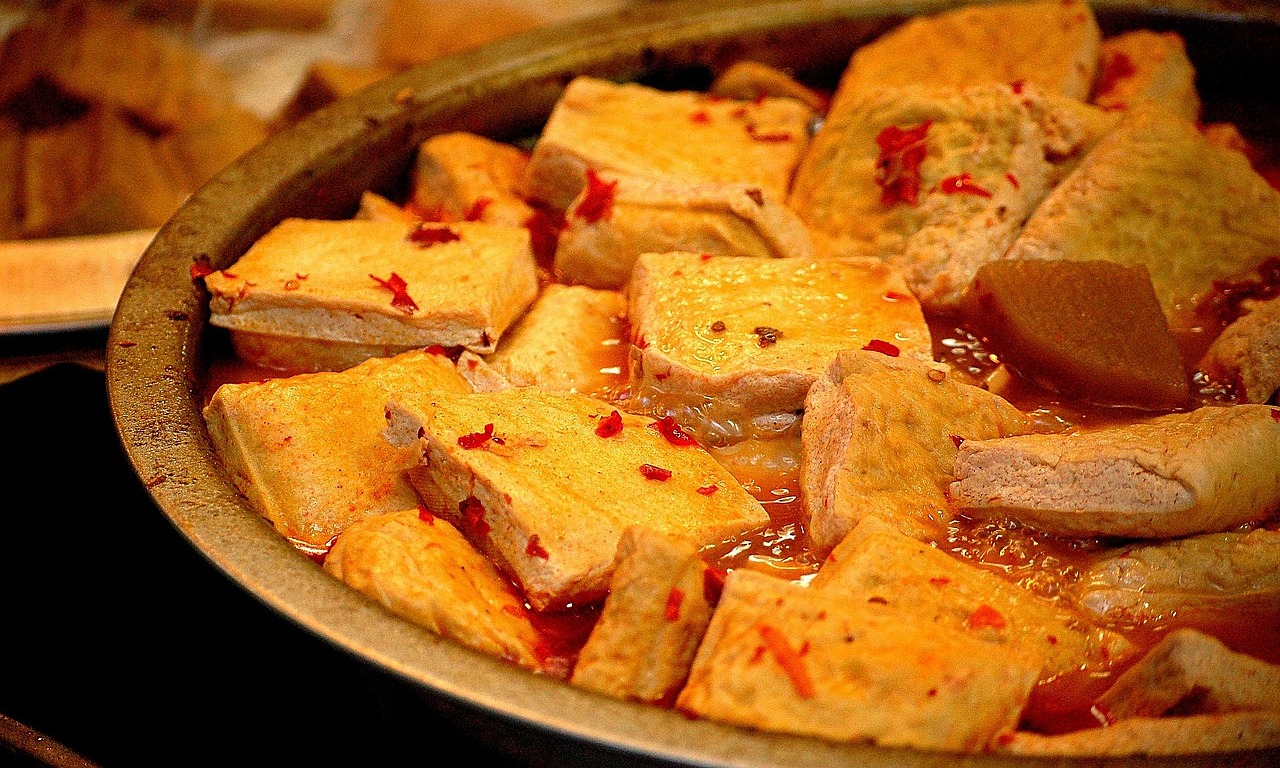
Stinky tofu, a beloved staple in mainland China, Hong Kong, and Taiwan, is characterized by its strong odor and unique flavor. It is typically deep-fried, creating a crispy exterior with a porous interior. The scent can range from mild to intensely pungent, often likened to strong blue cheese or fermented kimchi.
For three years, stinky tofu was a signature item at Golden Leaf, contributing between 10% and 20% of total revenue. However, this changed when a neighbor began complaining about the smell in 2017. According to Liao, the neighbor claimed she could smell the stinky tofu, but he and other customers could not. This led to a series of inspections by the health department, fire department, and city officials, ultimately resulting in a violation notice.
Despite the challenges, Liao’s parents decided to remove stinky tofu from the menu. The restaurant continued serving the dish until November 2025, accumulating multiple citations and paying over $1,000 in fines. Liao has since launched a Change.org petition to support the return of the dish, gathering more than 1,000 signatures. Supporters argue that the issue is about cultural inclusion rather than public health.
The Cultural Significance of Stinky Tofu
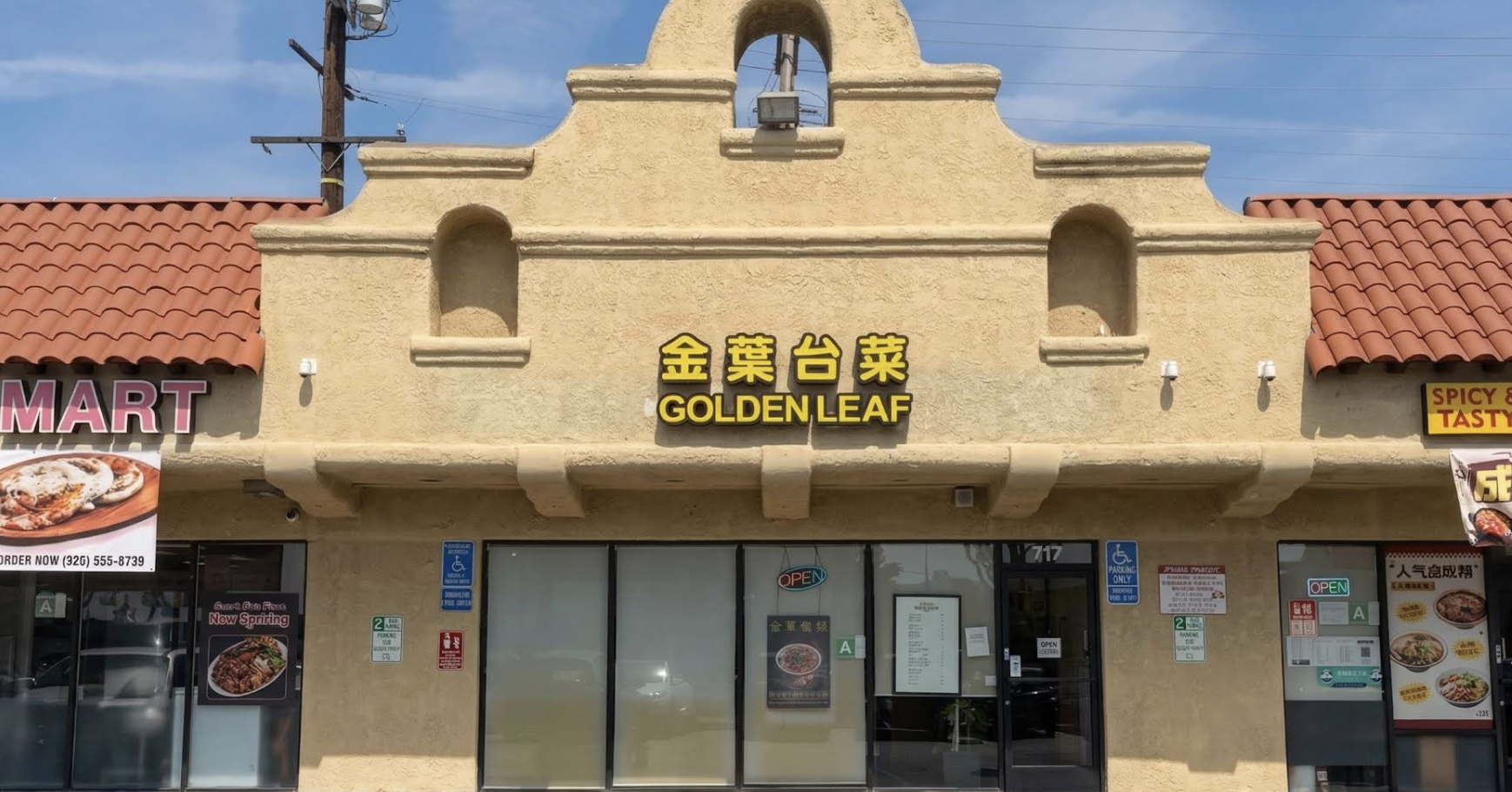
Golden Leaf restaurant in Los Angeles, U.S. Photo by Google Maps/Lucky Chuck
Stinky tofu is more than just a dish; it is a symbol of cultural heritage for many Taiwanese people. Liao emphasized that the dish represents a connection to their roots and a source of cultural pride. In the San Gabriel Valley, several restaurants continue to serve stinky tofu, making it a staple of the local food scene.
The preparation of stinky tofu involves fermenting tofu in a brine with vegetables like amaranth greens over days, weeks, or months. This process gives the dish its distinctive flavor and aroma. While some may find the smell overwhelming, others see it as a cherished part of their culinary tradition.
Food writer Clarissa Wei noted that perceptions of stinky tofu vary widely. Internationally, it is often framed as a novelty or even a dare, but in Taiwan and across parts of Asia, it is simply another comfort food. She pointed out that cultural misunderstandings can shape these perceptions, leading to a negative reputation for the dish.
Balancing Culture and Regulations
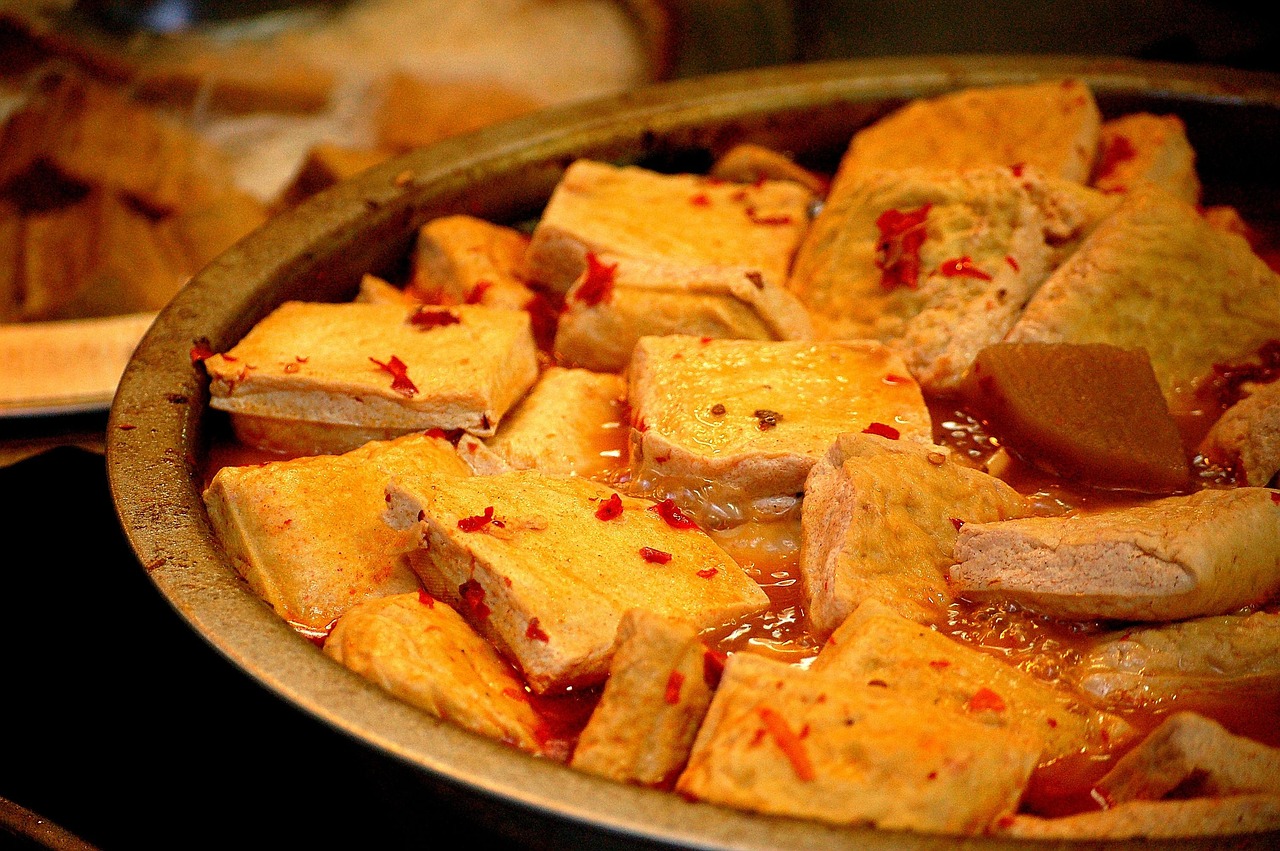
Stinky tofu. Photo by Pixabay/focusonpc
San Gabriel city council member John Wu highlighted that the dispute centers on odor control rather than cultural differences. He confirmed that the city has received multiple complaints about the smell of stinky tofu. Wu suggested that improved filtration systems could resolve the issue, citing a nearby coffee shop that successfully addressed similar complaints.
“We don’t stop people from selling dishes because they are smelly, but they should keep the smells inside the unit,” Wu said. “It’s subjective, and people feel differently about different smells. We can check noise levels at a business, but we don’t have a device that detects how much something smells.”
Wu also mentioned that other local establishments, including Dong Ting Xian and Yung Ho Cafe, continue to serve stinky tofu without facing similar complaints. He suggested that Golden Leaf’s proximity to residential areas might contribute to the issue.
Relocation is not feasible for the restaurant, so Liao has explored options such as installing a filtration system or a ventless fryer. However, the costs are significant, with estimates ranging from $20,000 to $50,000 for a fryer and around $100,000 for filtration, excluding permits. Liao expressed concerns about the financial burden, stating that he was looking for a guarantee before investing.
Wu acknowledged the challenges, saying, “I truly hope he can start selling the dish again. We hope the money he spends on a filtration machine will be worth it for him, but we can only offer that this might be a good solution and hope he gets a good result.”