UK Aluminium Giant Sounds Alarm on ‘Nimbyism’ and Sky-High Energy Costs
The future of British industry is under threat, not from global competition, but from domestic policies that are crippling manufacturers with exorbitant energy costs and burdensome green taxes. That’s the stark warning from Tom Uppington, the managing director of Alvance British Aluminium, the UK’s sole remaining aluminium smelting plant, located in Fort William, Scotland.
Uppington has implored the Energy Secretary to conduct a “fundamental review” of the nation’s energy transition, highlighting the immense financial burden it’s placing on UK industries. His concern centres on policies aimed at curbing carbon emissions, which, while seemingly beneficial at home, place British businesses at a significant disadvantage compared to their international counterparts.
“It’s almost this nimbyism,” Uppington stated, describing a policy approach that appears unconcerned with where carbon emissions occur, as long as they are not produced “in our backyard.” This sentiment, he argues, translates into a competitive landscape where UK industries are forced to grapple with energy prices that are simply unsustainable.

“Not having access to cheap electricity bars us from being able to compete on the international market,” Uppington explained. “When you are up against competitors who have much cheaper electricity, it’s challenging.”
A Surge in Demand Meets an Energy Roadblock
Despite the challenges, the Alvance smelter has experienced a notable uptick in demand this year. The geopolitical instability stemming from the Iran conflict has disrupted supplies from the Gulf, while favourable US tariffs on UK aluminium, which are comparatively lower than those imposed on other nations, have also provided a boost. Furthermore, the UK government forecasts a significant quadrupling of domestic demand for aluminium over the next decade, potentially rising from 1.8 million tons to 8 million tons, with UK producers expected to meet a substantial portion of this.

However, this surge in demand has not translated into a proportional increase in production. Uppington revealed that the smelter has only managed to increase its operational capacity from 68% to 75%. The reason? Any further ramp-up in production would escalate energy bills to a point where the plant would operate at a loss.
The core of the problem lies in the way electricity costs are calculated. The plant’s energy consumption, beyond what it generates from its own century-old hydroelectric system, is subject to green levies. These levies are based on the average carbon emissions across the UK, a calculation that fails to acknowledge the significant contribution of renewable energy sources like wind and hydro power prevalent in Scotland.
“We could be taxed on carbon emissions at the same level as a smelter in Indonesia using coal,” Uppington lamented, illustrating the disparity in the cost of production.
Beyond Energy: Taxation and the Shrinking Industry
The financial pressures on the Alvance plant extend beyond energy costs. A £500,000 impact from the Labour party’s increase in Employers’ National Insurance Contributions has further strained the company’s finances. Uppington is advocating for a broader reduction in general taxation to stimulate economic growth.
“If you reduce taxes, it generally pushes more money into the economy,” he asserted.
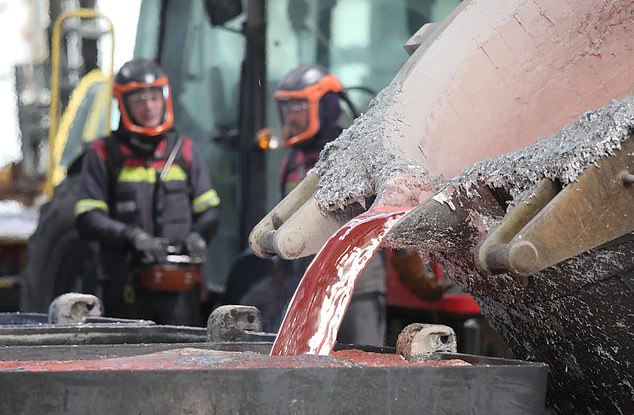

“We could be exporting to Europe and further afield much better if conditions were more favourable,” he added, stressing that immediate action on energy prices is paramount. Aluminium, a critical mineral listed by the British government, is indispensable to vital sectors including defence, aerospace, and the food and drink industries.
Yet, the domestic production of primary aluminium in Britain is alarmingly low, with only 32,000 tons produced annually. The industry trade body, Make UK, has recently sounded the alarm, warning that the sector is in decline, with three aluminium sites having ceased operations since last autumn.
James Tangney, Alvance’s business development manager, echoed these concerns. He pointed out the paradox of declining British aluminium production occurring precisely as demand, fuelled by new technologies like electric vehicles and data centres, is soaring. “Aluminium is important for electric vehicles, data centres, as well as traditional uses, but we don’t have the capacity to meet demand,” he stated.
A spokesperson for Make UK highlighted the interconnectedness of these issues. “Higher aluminium prices do not translate into improved viability because energy costs can overwhelm gains in price. Addressing elevated power costs will drive improvements in profit, stimulate growth and investment.”
The trade body is calling for more robust government intervention, including the backdating of the British Industrial Competitiveness Scheme. This scheme, designed to reduce energy bills for energy-intensive industries by up to 25%, is set to come into effect in April 2027. Make UK is pushing for this relief to be applied retroactively by two years, rather than the proposed one year.
Furthermore, Make UK is urging action to prevent the export of UK scrap aluminium. Last year alone, 400,000 tons of scrap aluminium were shipped to Asia, a practice that undermines domestic manufacturing capabilities and represents a missed opportunity for the UK’s own industrial base.