Escalation of Violence in the Region
Israel has launched airstrikes in southern Lebanon, resulting in the deaths of at least six individuals, including three paramedics who were working at a health centre. This incident occurred just hours after Israeli envoys had reached an agreement with the Lebanese government to extend a ceasefire. The attacks have further heightened tensions in the region, raising concerns about a potential return to full-scale conflict.
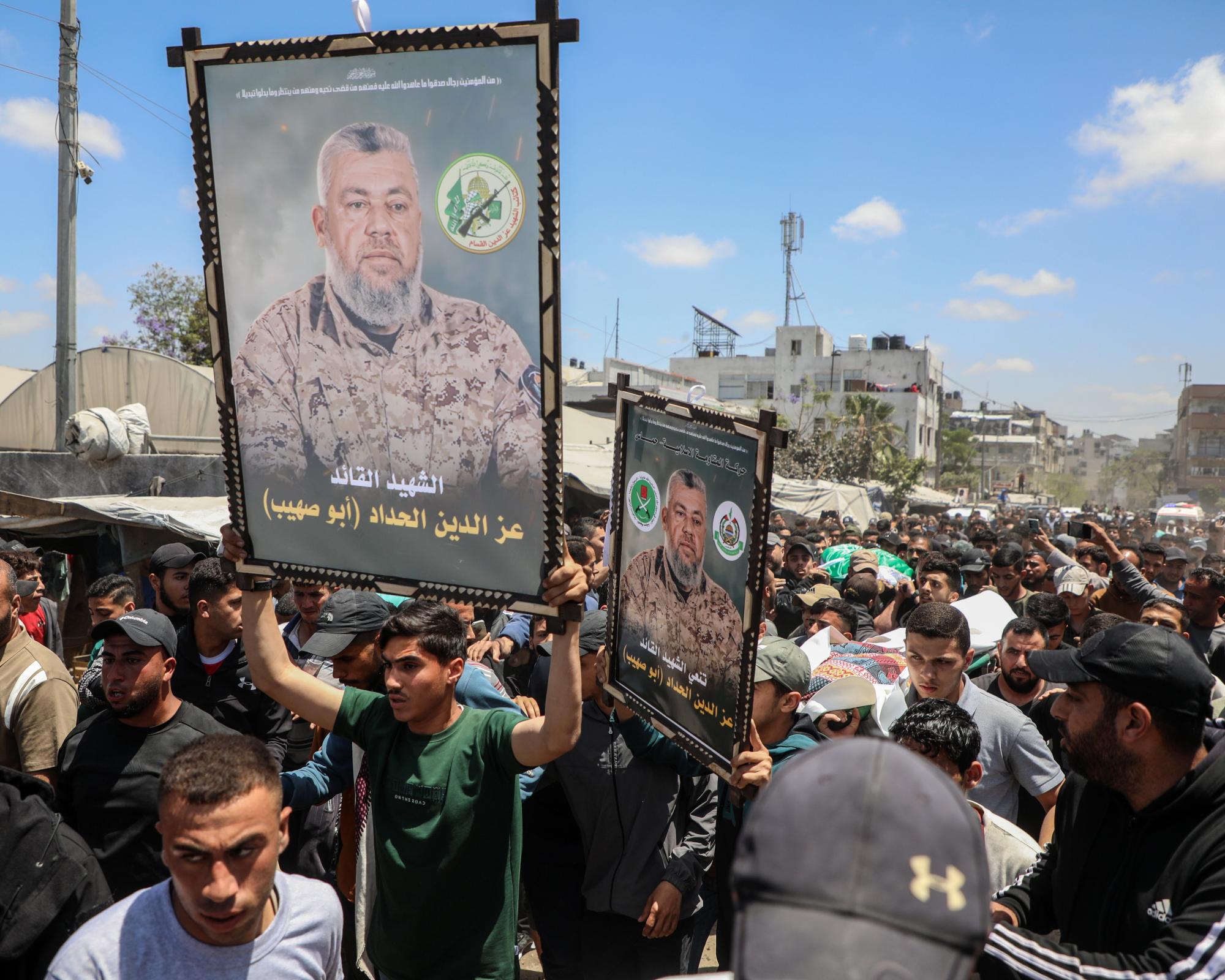
In addition to the strikes in Lebanon, Israel claimed to have killed Izz al-Din al-Haddad, the military chief of Hamas, in a targeted operation in Gaza on Friday. Al-Haddad was identified by the Israeli army as one of the senior commanders responsible for planning and executing the Hamas-led attacks on 7 October 2023, which resulted in the deaths of approximately 1,200 people in southern Israel and over 250 being taken hostage. A Hamas spokesperson confirmed the killing through social media.
Regional Tensions and Potential for Conflict
Reports from US and Israeli press indicate that former President Donald Trump has been briefed on his military options in Iran, should he choose to break a five-week-old truce and resume strikes. This development adds to the growing concerns that the region may be on the verge of another large-scale war.
Lebanon’s state-run media reported that at least five villages in the south of the country had been hit by Israeli airstrikes. The Israeli military confirmed that it was targeting what it described as “Hezbollah infrastructure” in southern Lebanon. Lebanese authorities stated that an airstrike on Friday hit a clinic operated by the Hezbollah-linked Islamic Health Committee, leading to the death of six people, including three paramedics. An Israeli military statement claimed that the strike targeted Hezbollah militants preparing to fire rockets at its troops in southern Lebanon.
Impact on Civilian Population
The recent strikes have triggered a fresh wave of displacement among civilians in southern Lebanon. This comes just hours after envoys from Israel and Lebanon concluded a round of talks in Washington, where they agreed to extend a month-long ceasefire for an additional 45 days. They also discussed establishing a US-supervised security mechanism between their armies.
However, Hezbollah has strongly criticized the talks, while Israel has only partially observed the ceasefire ordered by Trump on 17 April. The Israeli military has restricted attacks on Beirut and northern Lebanon, focusing instead on operations in the south, where clashes with Hezbollah fighters have intensified.
Continued Operations in Gaza
Israel has continued its military operations in Gaza against Hamas, confirming on Saturday that it had killed Haddad, the latest acting Hamas military chief to die in Gaza. He was the last surviving Hamas senior official suspected of planning the attack on southern Israel in October 2023, which led to the current conflict.
Israel has accused Hamas of violating the fragile eight-month-old ceasefire in Gaza by refusing to disarm. In response, Hamas has blamed Israel for not adhering to the first phase of the truce, continuing airstrikes, and covertly moving the agreed demarcation line between the two forces westwards into Hamas-controlled areas of Gaza.
Concerns Over Diplomatic Stalemate
Recent reports suggest that the region is heading towards a potential return to full-scale war, as truces continue to weaken due to limited diplomatic progress. As Trump returned to the United States from a visit to China on Friday, the New York Times reported that he had been briefed on US options for resuming offensive actions in Iran, although no decision had been made yet.
Pakistani-led mediation efforts have failed to achieve any significant diplomatic progress over the past month since Islamabad facilitated a ceasefire in the Iran war. The positions of the US and Iran remain far apart, further complicating the situation.
With Associated Press