Hantavirus Outbreak Linked to Cruise Ship: Canadian Case Confirmed
Canadian health officials have confirmed a positive hantavirus test for one of four Canadians currently in quarantine in British Columbia after being exposed to the virus while on board a cruise ship. The individual, who is now in hospital, has shown mild symptoms, including fever and headache.
Dr Bonnie Henry, British Columbia’s provincial health officer, provided updates during a news conference. She mentioned that the individual developed symptoms two days ago and was transferred to a hospital in Victoria for assessment and testing. Their partner, who was also on the cruise ship, was tested and returned a negative result but will remain in the hospital for further monitoring.
The test results for the infected individual were received late on Friday evening and were described as “presumptive positive.” Samples have been sent to the national microbiology lab in Winnipeg for confirmatory testing, with results expected over the weekend.
“We’re not ready”: US lags on pandemic preparedness after Covid, experts say
Henry emphasized that the patient is stable and their symptoms remain mild. They are still in isolation and receiving care as needed. The third individual, who had been isolating in the same lodging as the infected person, has also been transferred to the hospital for monitoring. The fourth person continues to isolate at home under daily observation.
The four Canadians arrived in Victoria on 10 May. Upon arrival, none of them showed any symptoms, and they were immediately transferred to lodgings for a minimum 21-day quarantine period.
Genomic Analysis of the Virus
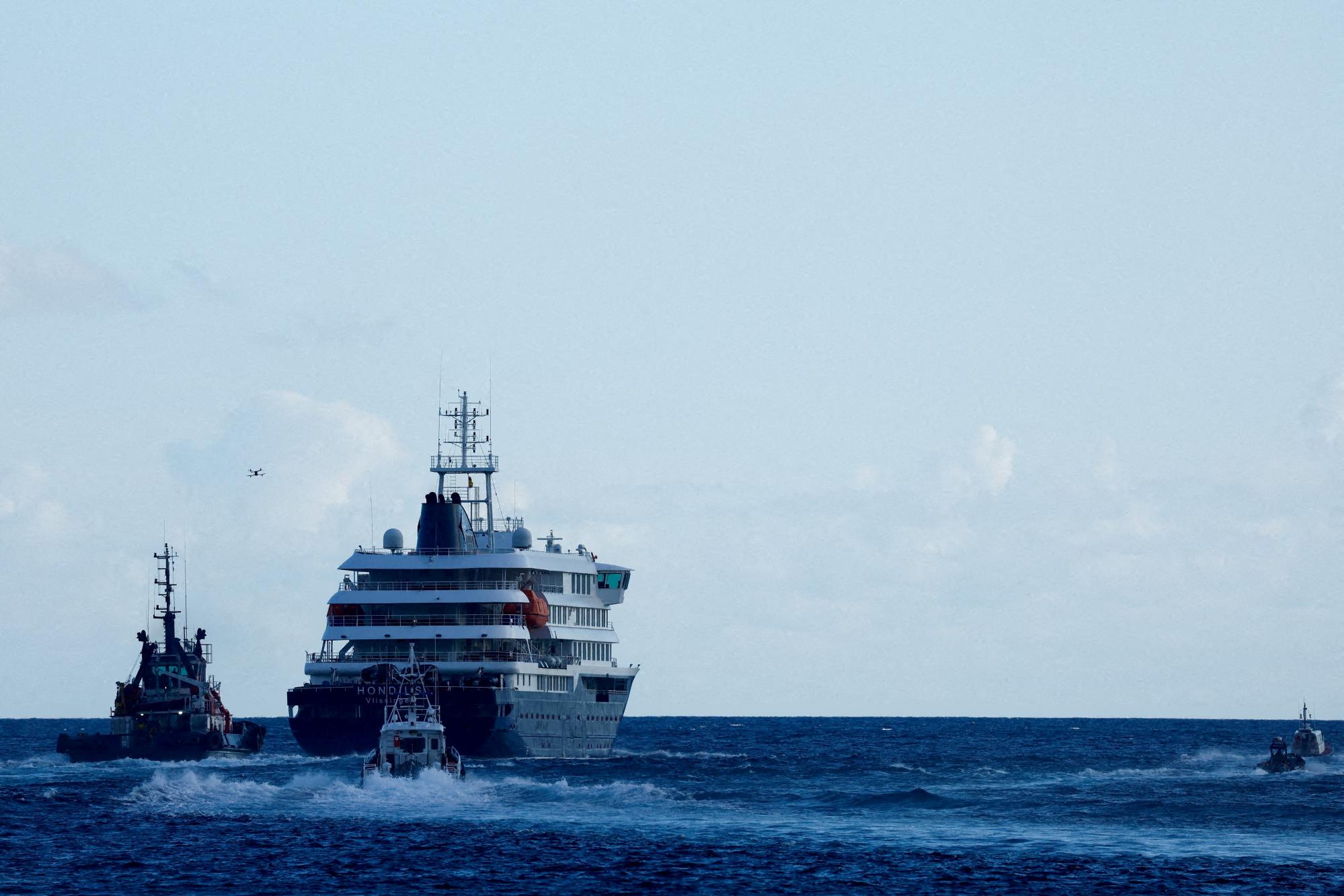
Meanwhile, France’s Pasteur Institute has completed genomic sequencing of the Andes virus detected in a French passenger from the MV Hondius cruise ship. The analysis revealed that the virus matches known strains found in South America, with no signs of new characteristics that could increase its transmissibility or danger.
According to the Pasteur Institute, the viruses found in patients from the ship are identical to each other and approximately 97% similar to some Andes virus samples circulating in South America, including those identified in rodents.
Jean-Claude Manuguerra, head of the Pasteur Institute’s environment and infectious risk unit, stated that the remaining variation appears to be natural and does not seem to affect the virus’s characteristics among the travelers.
Impact of the Outbreak
Since 11 April, three people who were on board the cruise ship have died from suspected hantavirus infections. These include a Dutch couple and a German woman.
Hantavirus is a type of virus that can cause severe respiratory illness in humans. It is typically spread through contact with infected rodents or their droppings. While most cases are mild, some can lead to serious complications, including hantavirus pulmonary syndrome (HPS), which can be life-threatening.
Health officials continue to monitor the situation closely and advise individuals who may have been exposed to the virus to seek medical attention if they develop symptoms. Public health measures, such as quarantine and isolation, are being implemented to prevent further spread of the virus.
Ongoing Investigations
As the situation unfolds, more information is expected to emerge regarding the source of the outbreak and the potential risks to other passengers and crew members. Health authorities are working collaboratively to ensure that appropriate measures are taken to protect public health.
In the meantime, travelers are encouraged to stay informed about any updates from health officials and to follow guidelines for preventing the spread of infectious diseases. This includes practicing good hygiene, avoiding close contact with sick individuals, and seeking medical advice if symptoms arise.
Never miss global, independent news with the Guardian app. With no billionaire or big corporate owner, we’re funded by our readers – making our journalists free to report without interference. Download the Guardian app now.