Rugged Chinese Contender ‘212’ Set to Tackle Australian 4×4 Market
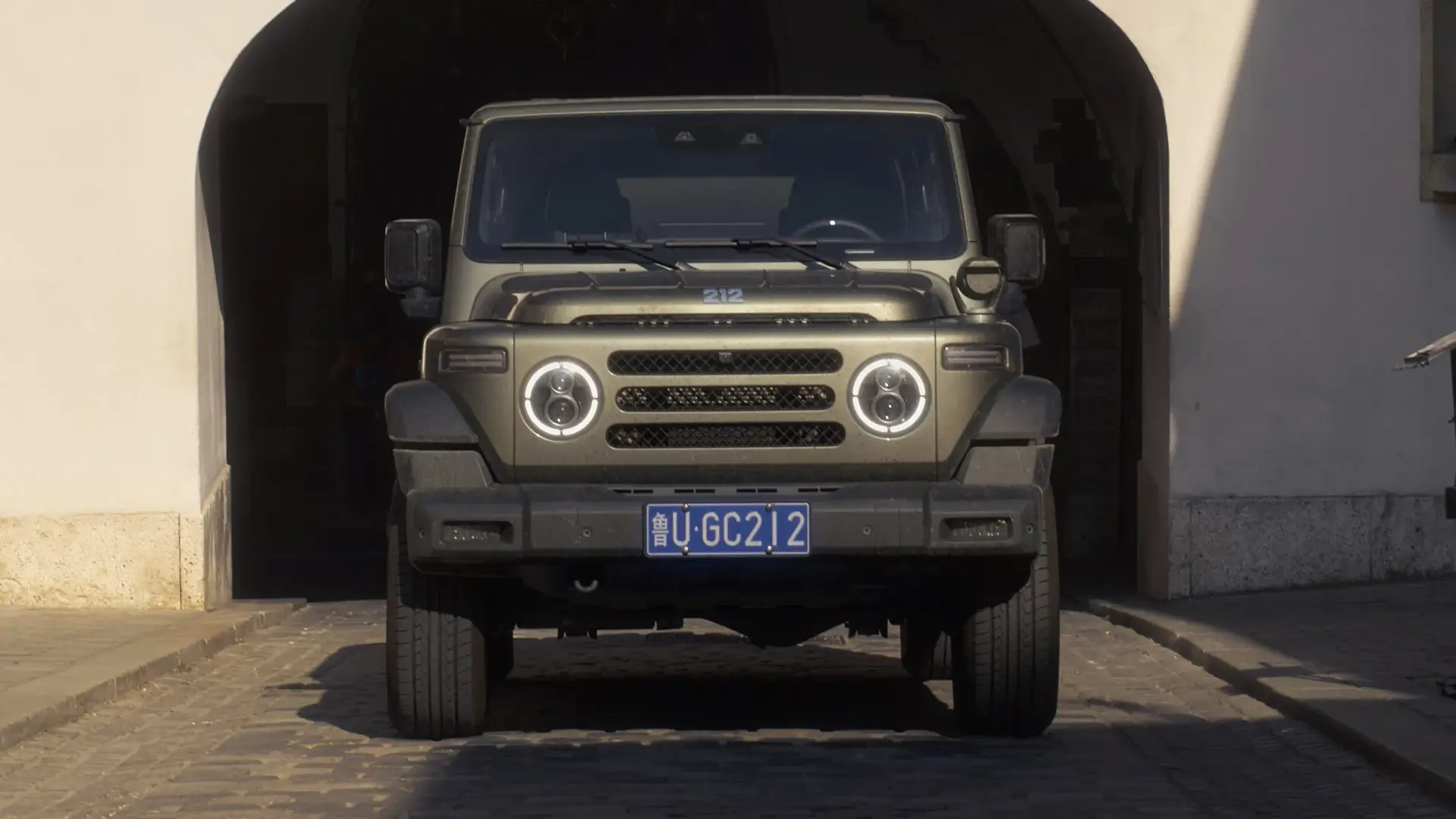
Australia’s burgeoning four-wheel-drive scene is about to get a new, rugged contender with a distinct military heritage and styling reminiscent of the iconic Mercedes-Benz G-Wagen. The Chinese brand ‘212’, a name with deep roots in its home country’s automotive history, is gearing up for an Australian launch in 2027, aiming to challenge established players like GWM and LDV in the budget-friendly 4×4 segment.
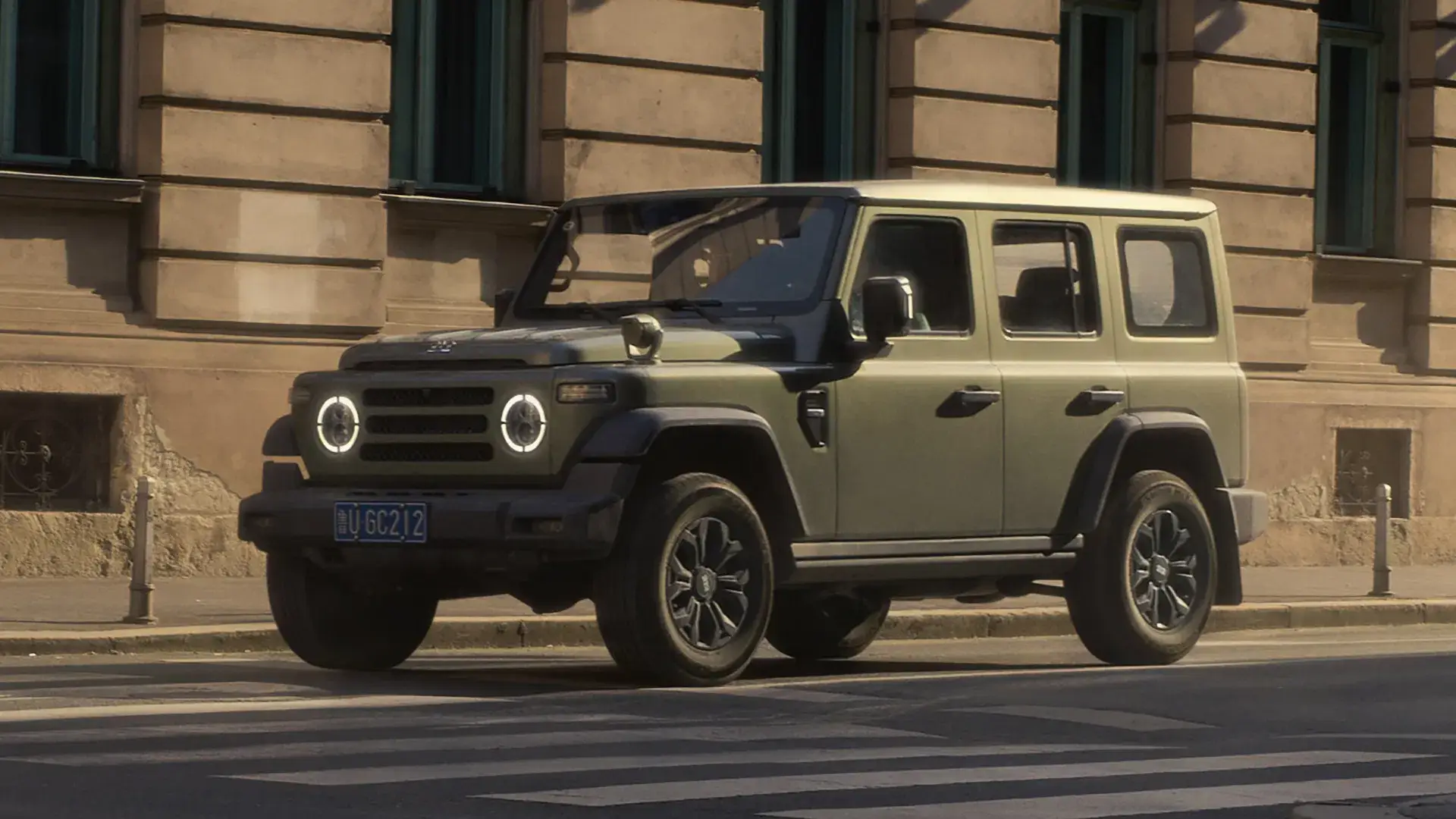
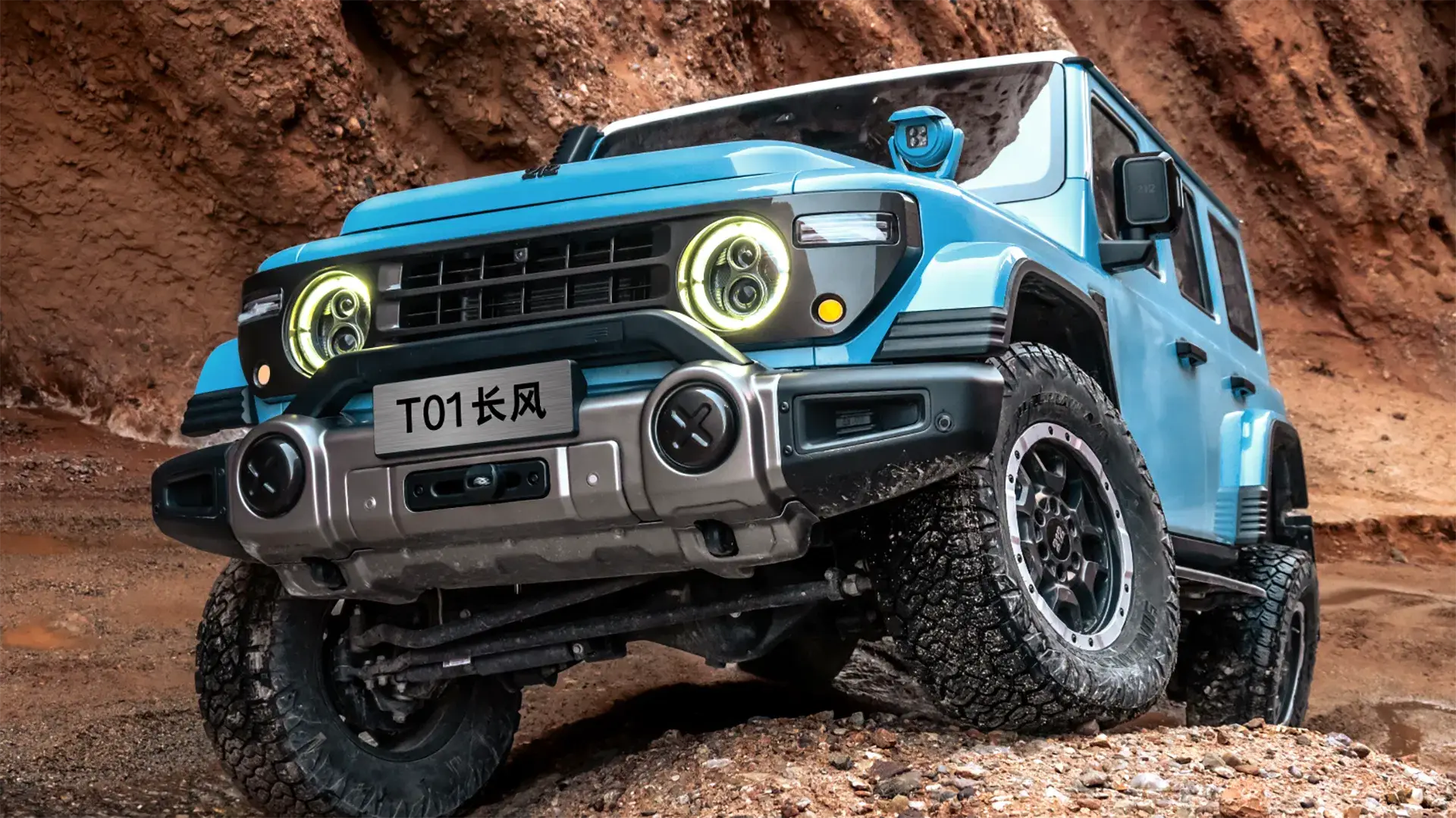
This newcomer, which bills itself as China’s answer to Jeep, boasts a lineage tracing back to classic Chinese military vehicles. Plans are in motion to unveil both a dual-cab ute and an SUV model sometime this year, with showroom arrivals slated for 2027. These Australian-bound vehicles will be built on entirely new underpinnings compared to the T01 model currently offered by 212 in China.
While the exact specifications for the Australian market are still being finalised, the concept and construction are expected to position the 212 models as direct rivals to vehicles like the GWM Tank 300, offering a more affordable interpretation of the rugged appeal found in the Jeep Wrangler and Gladiator.
A Legacy Forged in Military Service
The 212 brand draws its identity from the iconic BJ212, a compact off-roader that served extensively with the Chinese armed forces from the 1960s through to the early 2000s. This historical connection imbues the modern 212 with a sense of robust capability and a no-nonsense approach to off-road driving. The current 212 SUV is a contemporary reimagining of this legacy nameplate, sharing styling cues and the distinctive badge with its 61-year-old predecessor, which itself has links to Russian UAZ military vehicles.
Cliff Zhang, 212 International Sales Director, indicated that the vehicles destined for Australia will be specifically developed to meet local standards. “We are making some models which will be specially for Australia, because they will be different standards,” Zhang explained. He confirmed that “samples” are expected in 2026, with a full market launch to follow in 2027 under the 212 badge.
Tailored for Australian Demands
The commitment to the Australian market is evident in the development plans. “We have a pick-up plan, for off-road,” Zhang stated. “You have to be right-hand drive, and also [meet] Australian standards, like the five-star [ANCAP safety] certificate, so they will be totally different [to the T01].”
The upcoming Australian lineup will feature both an SUV and a pick-up. Zhang indicated that these models will be “a little bit bigger” than the current T01. The T01 SUV, which has been observed undergoing testing in Australia with light camouflage, measures 4705mm long, 1895mm wide, and 1936mm tall, with a 2860mm wheelbase. In comparison, it’s shorter than a four-door Jeep Wrangler but similar in width and slightly taller.
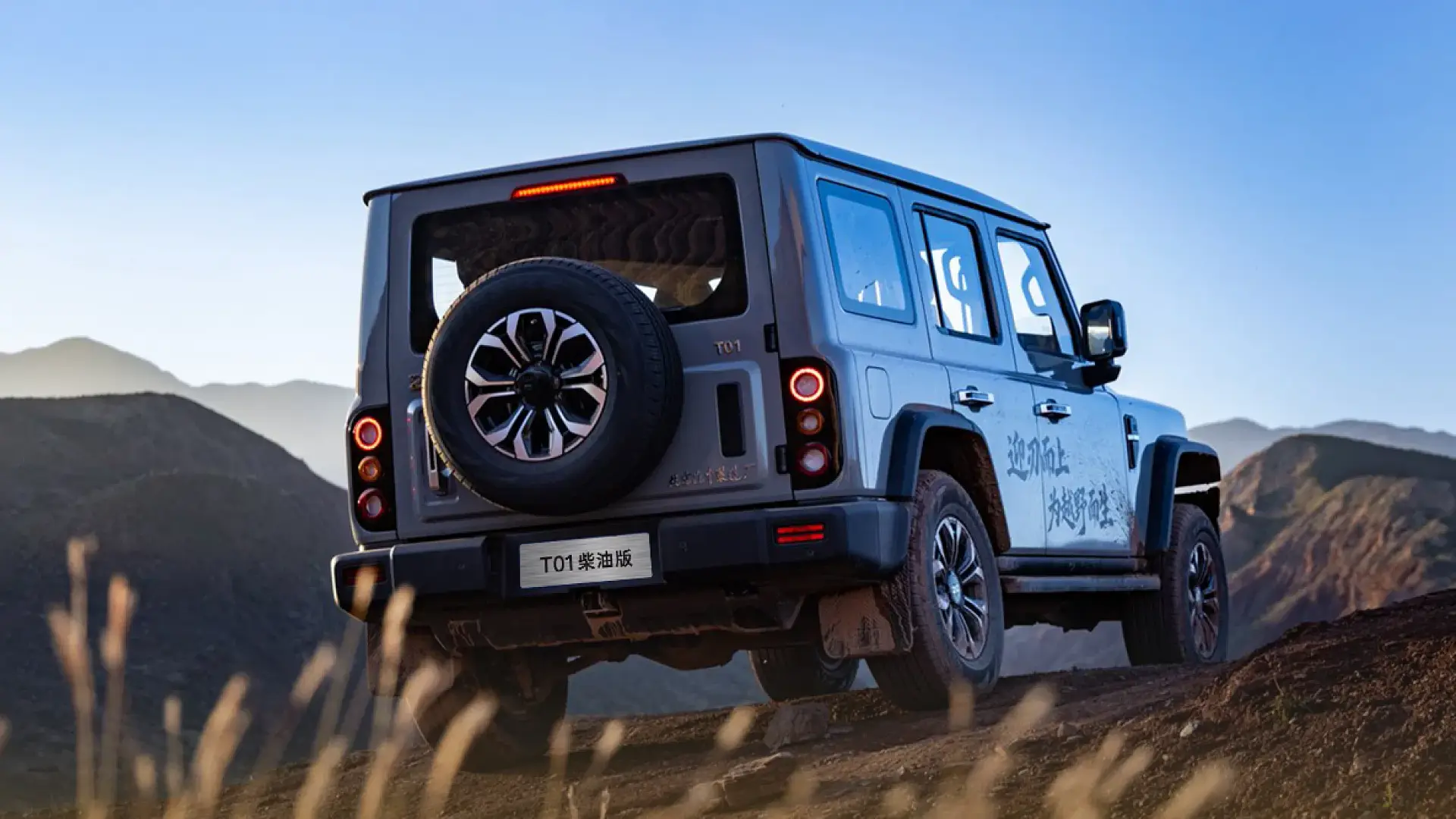
A ute version of the T01 is also available in China, reportedly measuring 5469mm long and 1955mm wide, putting it in the same size category as popular Australian dual-cab utes like the Ford Ranger and Kia Tasman. While the SUV might arrive first, the ute is likely to be a significant focus for 212, given the immense popularity of this body style in Australia. “For Australia, we are thinking more pick-up, because the market likes pick-up,” Zhang noted, referencing the success of brands like LDV.
Powertrain Options and Off-Road Prowess
When it comes to powertrains, 212 is considering a range of options for the Australian market, including “gasoline, diesel [and] PHEV” (Plug-in Hybrid Electric Vehicle). The current T01 SUV in China is powered by either a 185kW/410Nm 2.0-litre turbo-four petrol engine or a 125kW/415Nm 2.0-litre turbo-four diesel engine, both paired with an eight-speed ZF automatic transmission. Reports suggest the T01 pick-up utilises a larger 2.3-litre turbo-diesel four-cylinder producing 140kW.
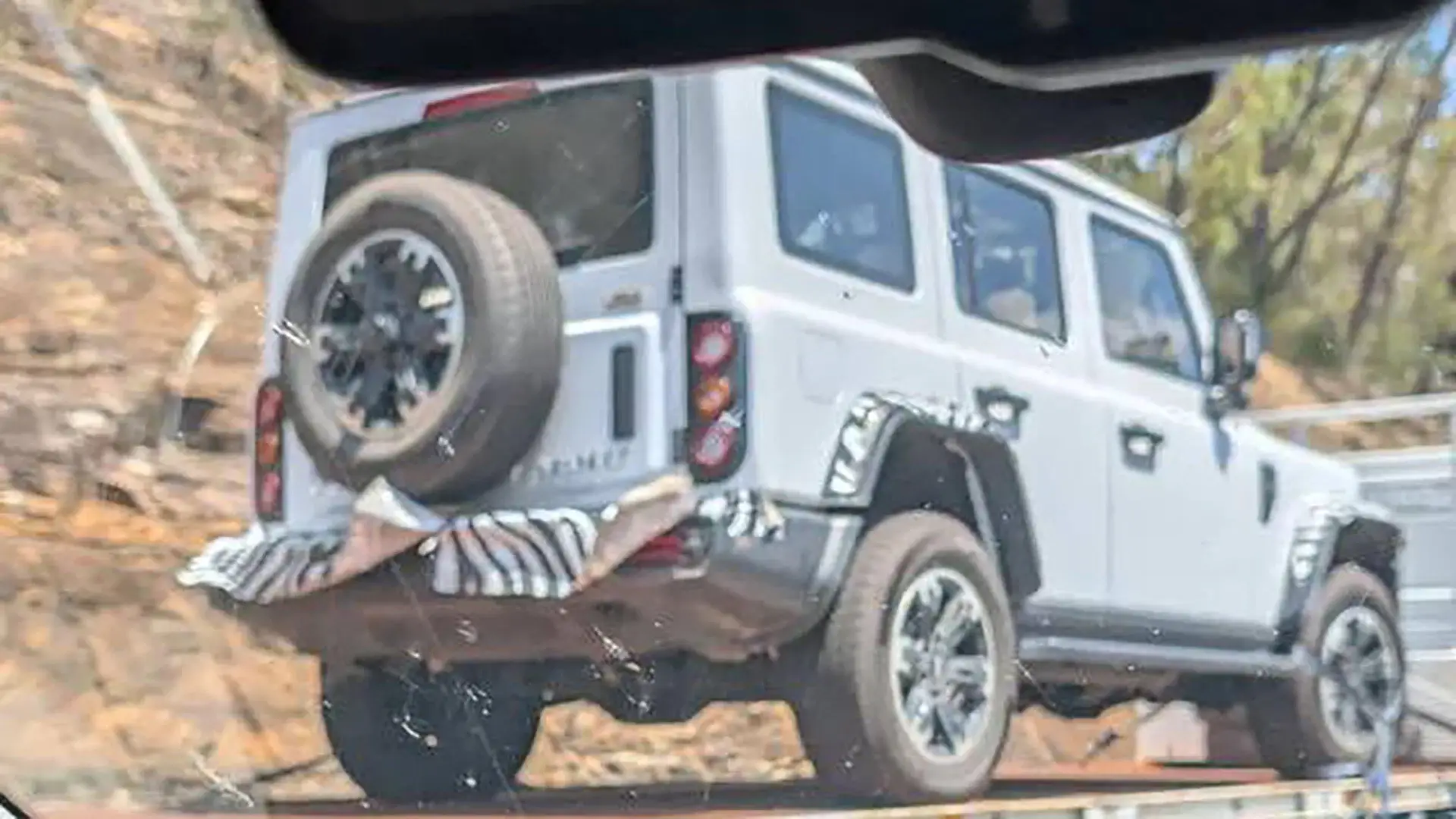
Standard on the T01 is a part-time four-wheel-drive system, featuring four-wheel coil springs, disc brakes all around, solid front and rear axles, a low-range transfer case, and front and rear differential locks. These specifications point towards a serious off-road capability. The ute’s engine, in particular, would be well-suited for a larger vehicle, potentially even a Toyota Prado-sized 4×4, or perhaps a higher-displacement six-cylinder or a BYD-rivalling plug-in hybrid.
Designed for the Toughest Terrains
The T01 SUV boasts impressive off-road metrics, including a 40-degree approach angle, a 23.6-degree breakover angle, a 36-degree departure angle, and a maximum water wading depth of 850mm. Higher-spec off-road variants available in China come equipped with steel bumpers, all-terrain tyres, reinforced drive shafts, and a 38mm suspension lift, further enhancing their go-anywhere credentials.
Navigating the Australian Landscape
Establishing a presence in a new market like Australia requires careful planning, and 212 is actively seeking a third-party distributor to manage its vehicle imports. “It’s not easy to [enter] by yourself, so you’ve got to have some powerful dealers, importers,” Zhang commented. The brand is committed to understanding the specific desires and needs of Australian consumers.
The Australian-bound 212 models may make their debut at a major motor show in 2025, potentially at events like the Beijing Motor Show in April, the Guangzhou Motor Show in November, or even the Paris Motor Show in October. “We have a strong branding team,” Zhang asserted. “212 before is a car, but now we are making it a brand, we will make it a famous brand. This is our dream and our target, so that’s what we’re going to do.”