The Unsettling Dynamic Between Kathy Bates and James Caan in Misery
The 1990 film Misery, directed by Rob Reiner and based on a Stephen King novel, is widely regarded as one of the most chilling psychological thrillers ever made. Central to its impact is the intense relationship between Annie Wilkes, played by Kathy Bates, and Paul Sheldon, portrayed by James Caan. Their on-screen dynamic is both disturbing and unforgettable, with Bates’ performance earning her an Academy Award for Best Actress.
What many fans may not know is that the tension seen on screen was, in part, a reflection of real-life challenges between the two actors during filming. This friction added an extra layer of authenticity to their performances, contributing significantly to the film’s enduring power.
Challenges in Connecting During Filming
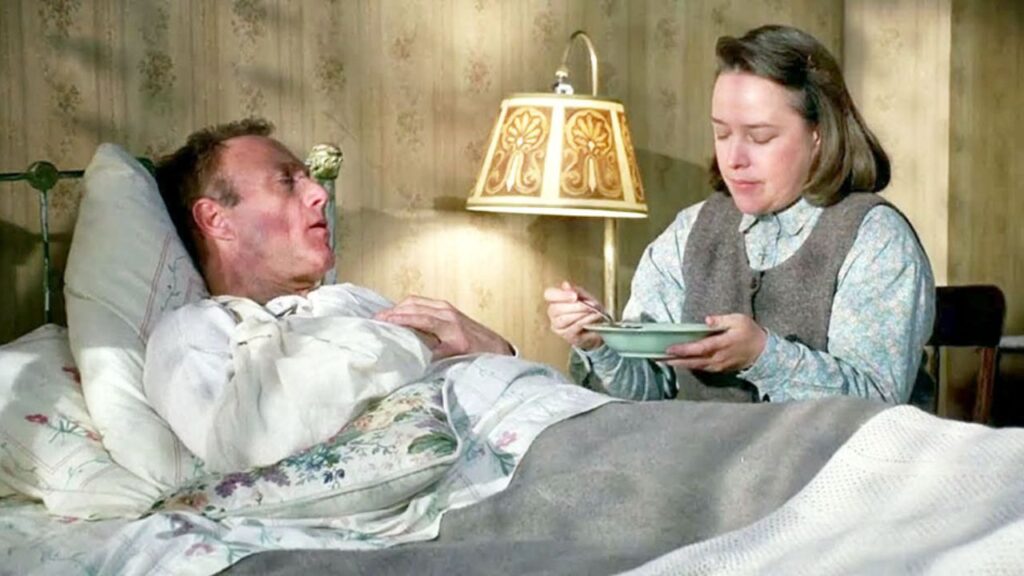
Making Misery was never an easy process, both emotionally and physically. The story revolves around two characters trapped in a small house, where their interactions are central to the plot. Annie Wilkes is a fan whose admiration for Paul Sheldon quickly turns into obsession and violence. Meanwhile, Paul is portrayed as emotionally withdrawn and fearful, struggling to survive his captor’s increasingly erratic behavior.
Bates, coming from a theater background, preferred extensive rehearsals to build depth in her character. In contrast, Caan, known for his instinctive approach to acting, favored spontaneity on set. This difference in philosophy created a disconnect between the two actors. Additionally, Caan was uncomfortable with being confined to a bed for 15 weeks, which contributed to his emotional distance during scenes.
Reiner, the director, intentionally used this dynamic to enhance the film’s atmosphere. He allowed the tension to remain, believing it would make the performances more authentic. When Bates expressed frustration about Caan not connecting with her during takes, Reiner advised her to use that emotion in her portrayal of Annie.
The Impact of the Uncomfortable Atmosphere
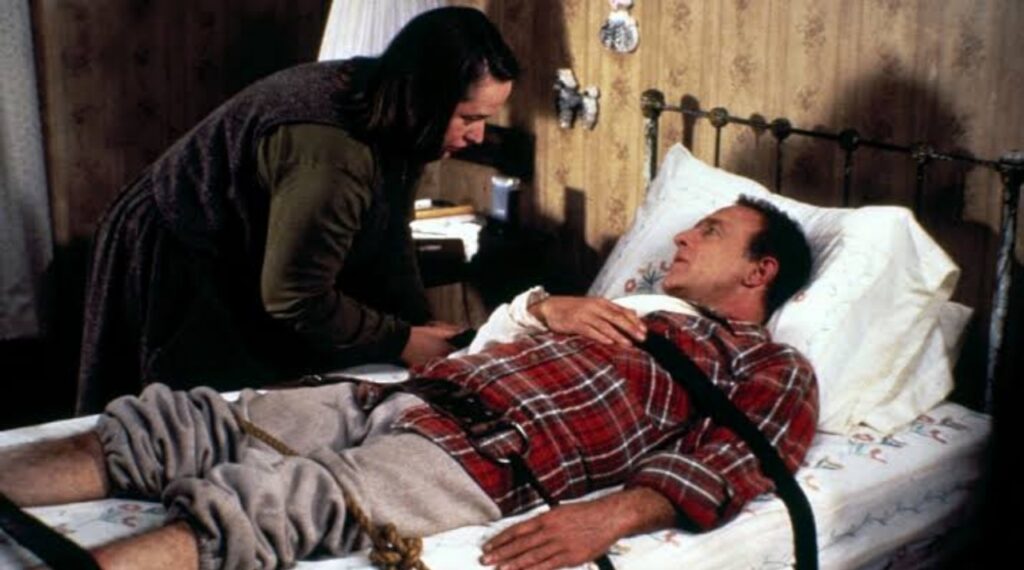
Bates’ portrayal of Annie Wilkes is particularly notable for its complexity. She brings warmth, loneliness, vulnerability, and sudden bursts of anger to the role, making the character unpredictable and deeply unsettling. Her performance is layered, allowing viewers to see the tragedy behind Annie’s madness.
Caan, on the other hand, delivers a restrained and internalized performance. His fear and emotional withdrawal are subtle but powerful, creating an imbalance in the relationship between him and Annie. This dynamic heightens the discomfort in their scenes together, reinforcing the suffocating atmosphere of the film.
The tension between the two actors, both on and off camera, became a crucial element in the film’s success. It added a sense of realism that made the audience feel the unease between Annie and Paul in every scene. This emotional authenticity is one of the reasons Misery continues to resonate with viewers decades after its release.
Legacy and Recognition
Bates’ Oscar win for her role in Misery was a significant milestone, as horror performances rarely received such recognition from the Academy. Her portrayal of Annie Wilkes remains one of the most iconic in cinematic history, showcasing her ability to balance vulnerability and menace.
The film itself has become a classic, praised for its psychological depth and gripping storytelling. Its legacy is further cemented by the unique challenges faced by the cast and crew during production. What could have been a source of conflict instead became a strength, enhancing the film’s emotional impact.
Today, Misery is still celebrated for its intense performances and masterful direction. The uneasy dynamic between Bates and Caan plays a vital role in its lasting appeal, proving that sometimes the most powerful moments come from unexpected challenges.