A New Approach to Drone Defense
A significant advancement in the Royal Air Force (RAF)’s guidance system has dramatically reduced the cost of intercepting Russian and Iranian drones by 90 per cent. This innovation is reshaping the way Western air forces and Middle Eastern allies handle the growing threat of low-cost, high-risk drones.
Previously, air forces have relied heavily on expensive air defense missiles to counter the relatively simple Shahed drones. These efforts have led to the depletion of missile stocks, particularly during conflicts involving Iran. The situation became critical during a recent US-Iran conflict when Gulf states ran out of Patriot missile systems provided by the United States.
The RAF also faced challenges, as it was forced to use high-end air-to-air missiles to neutralize Iranian warheads targeting UK bases and Gulf allies. However, a new solution is now being implemented that could change the game.
Laser-Guided Rockets for Cost-Effective Defense
The RAF has found an innovative way to tackle this issue by attaching laser targeting designators to Vietnam-era dumb rockets. These devices, known as the Advanced Precision Kill Weapon System (APKWS), transform unguided Hydra 70 rockets into precision-guided weapons capable of seeking out and destroying Shahed drones. This development allows more advanced missile systems like the Patriot to be reserved for more complex threats.
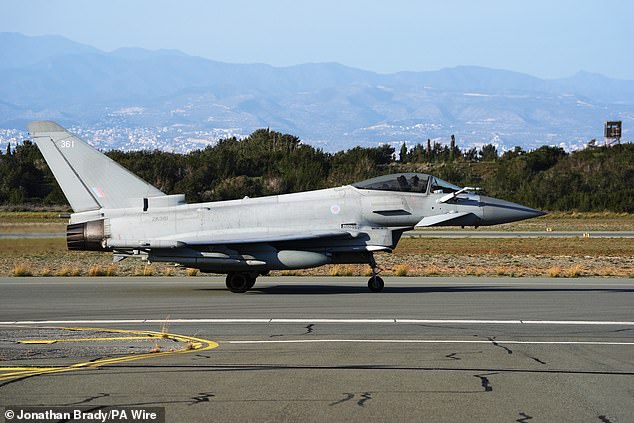
This breakthrough is especially timely as Britain prepares to lead a multinational force to secure the Strait of Hormuz following any potential US-Iran peace deal. RAF Typhoons will be deployed to protect commercial shipping from drone attacks.
Air Commodore Donal McGurk, Deputy Director Operations at the RAF, praised the speed of development and rigorous testing behind the deployment of these missiles. He stated, “They are a valuable addition to the air defense package we are already employing with agility across the Middle East.”
Luke Pollard, Minister for Defence Readiness, emphasized the importance of the Typhoon fleet in UK and NATO air defense. He noted that the aircraft protects Europe’s eastern flank from Russian drone incursions and defends partners in the Middle East.
Challenges and Future Developments
Despite these advancements, the RAF faces challenges in using Typhoons to combat Shaheds. The fast jet was designed for high-altitude, high-speed operations rather than low-level patrolling, making it costly in terms of flying hours and maintenance.
To address this, the RAF is collaborating with defense companies to develop uncrewed systems that can perform the same task. The Malloy T-150, an electric-powered copter originally designed for heavy load transport, has shown promise in firing Hydra 70 rockets during trials.
The APKWS was first used in combat by the RAF to defend Qatari airspace from Iranian drones. Its introduction followed successful tests at the Ministry of Defence’s Aberforth range in west Wales.
The Economic Impact of Drone Warfare
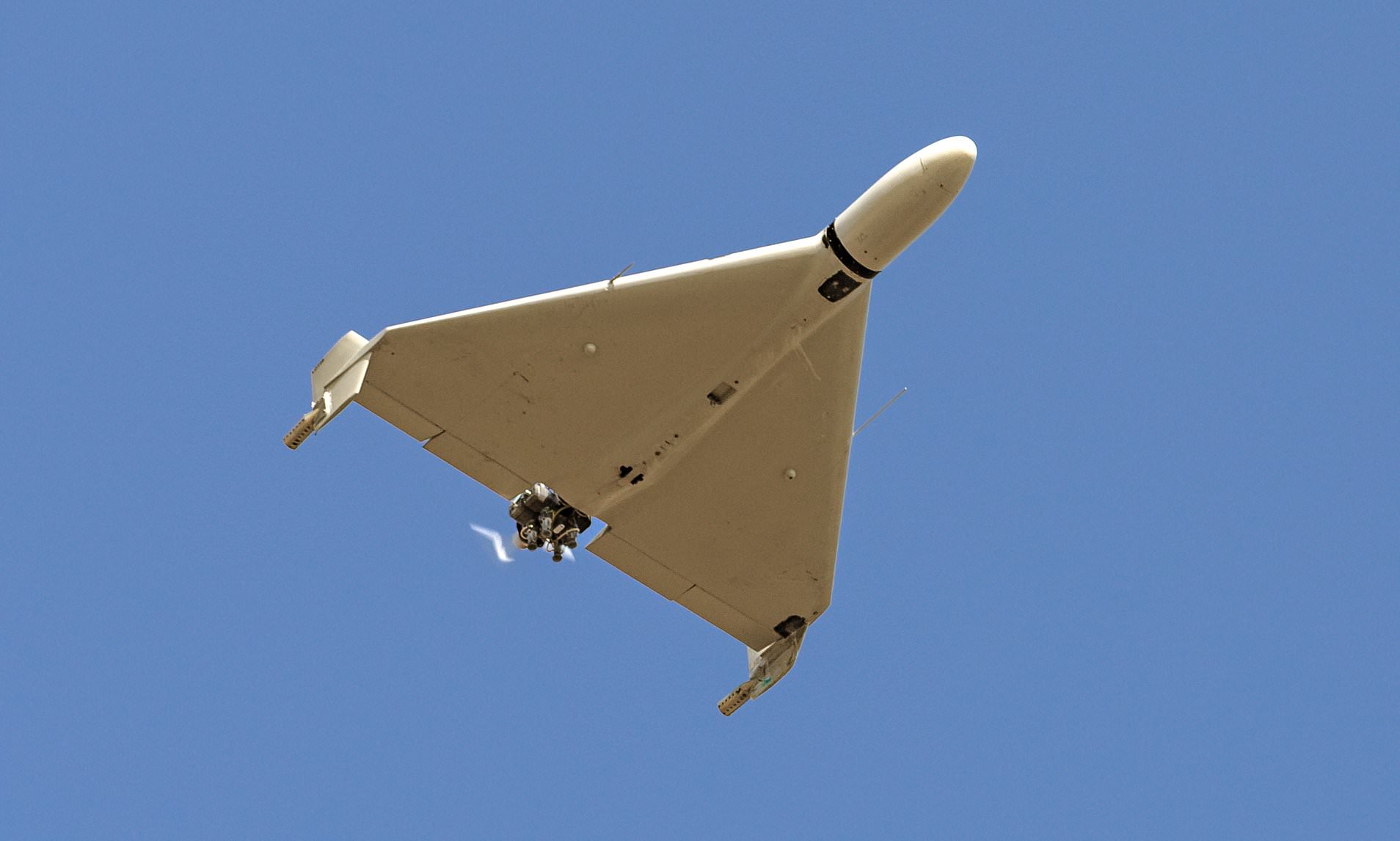
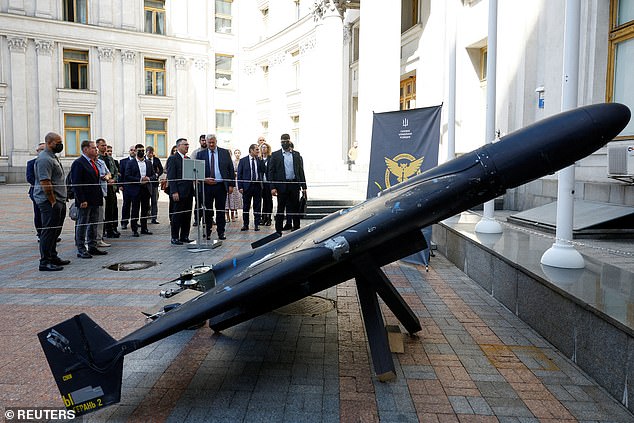
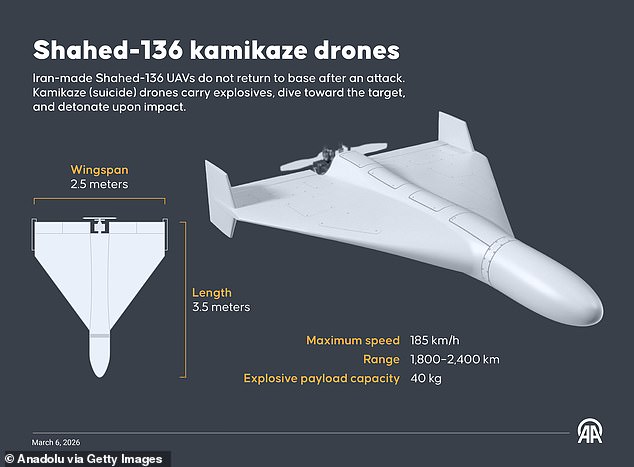
Iranian-designed Shahed drones, often referred to as “flying lawnmowers” due to their slow and noisy flight, cost around £20,000 to produce. In contrast, advanced defense missile systems deployed by NATO in eastern Europe and by Gulf states can cost up to £200,000.
This economic imbalance has posed a challenge for Western air planners. The introduction of APKWS offers a potential solution, allowing for a more cost-effective approach to drone defense.
A defense source highlighted the financial benefits, stating, “The exact costs are commercially sensitive, but we can say these are a fraction of the cost of alternative air-to-air missiles which are better used against cruise missiles or more challenging targets. This also increases the number of missiles each Typhoon can carry, significantly enhancing how many targets a single aircraft can engage.”