Mazda’s New CX-5: Balancing Premium Ambitions with Cost-Cutting Realities
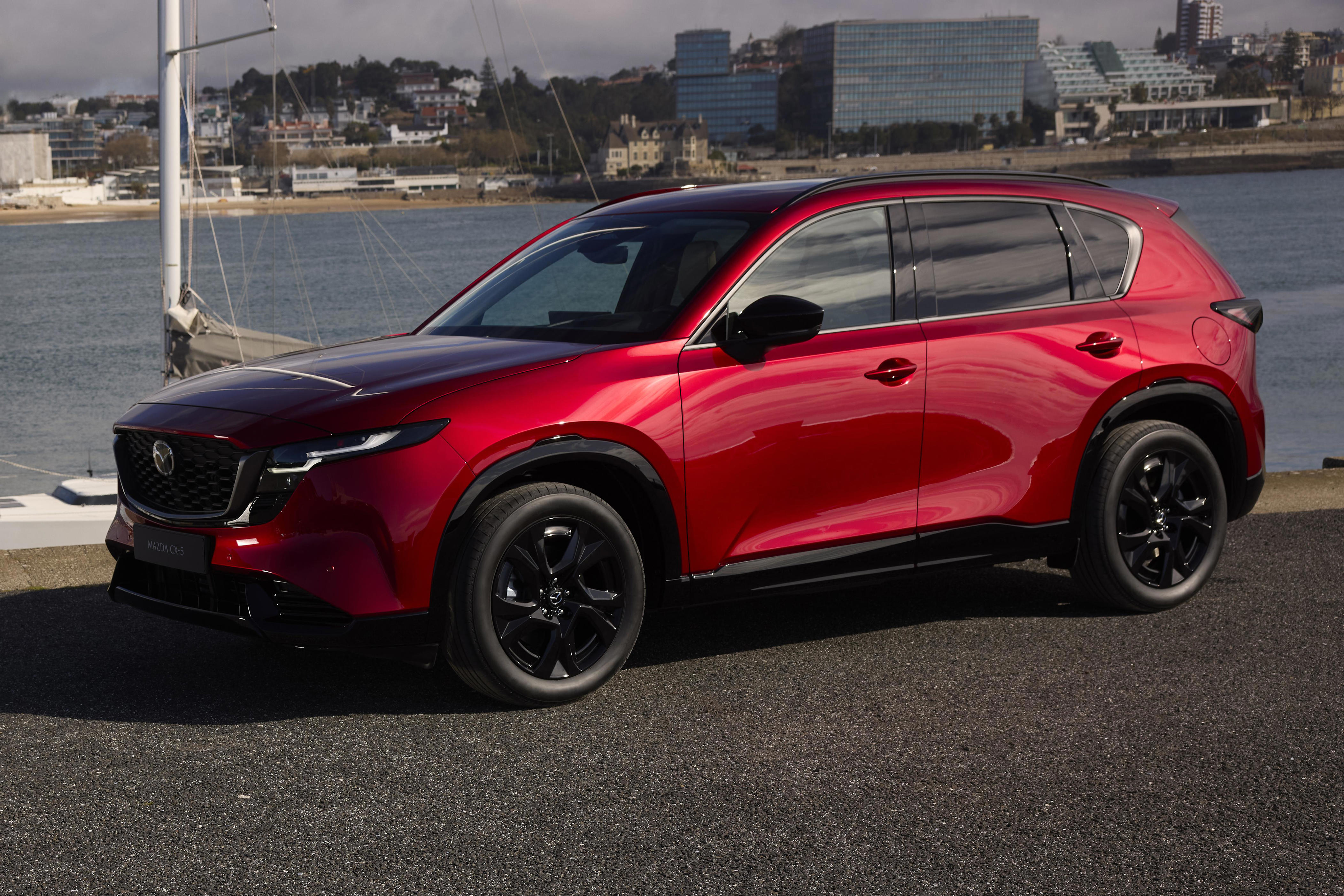
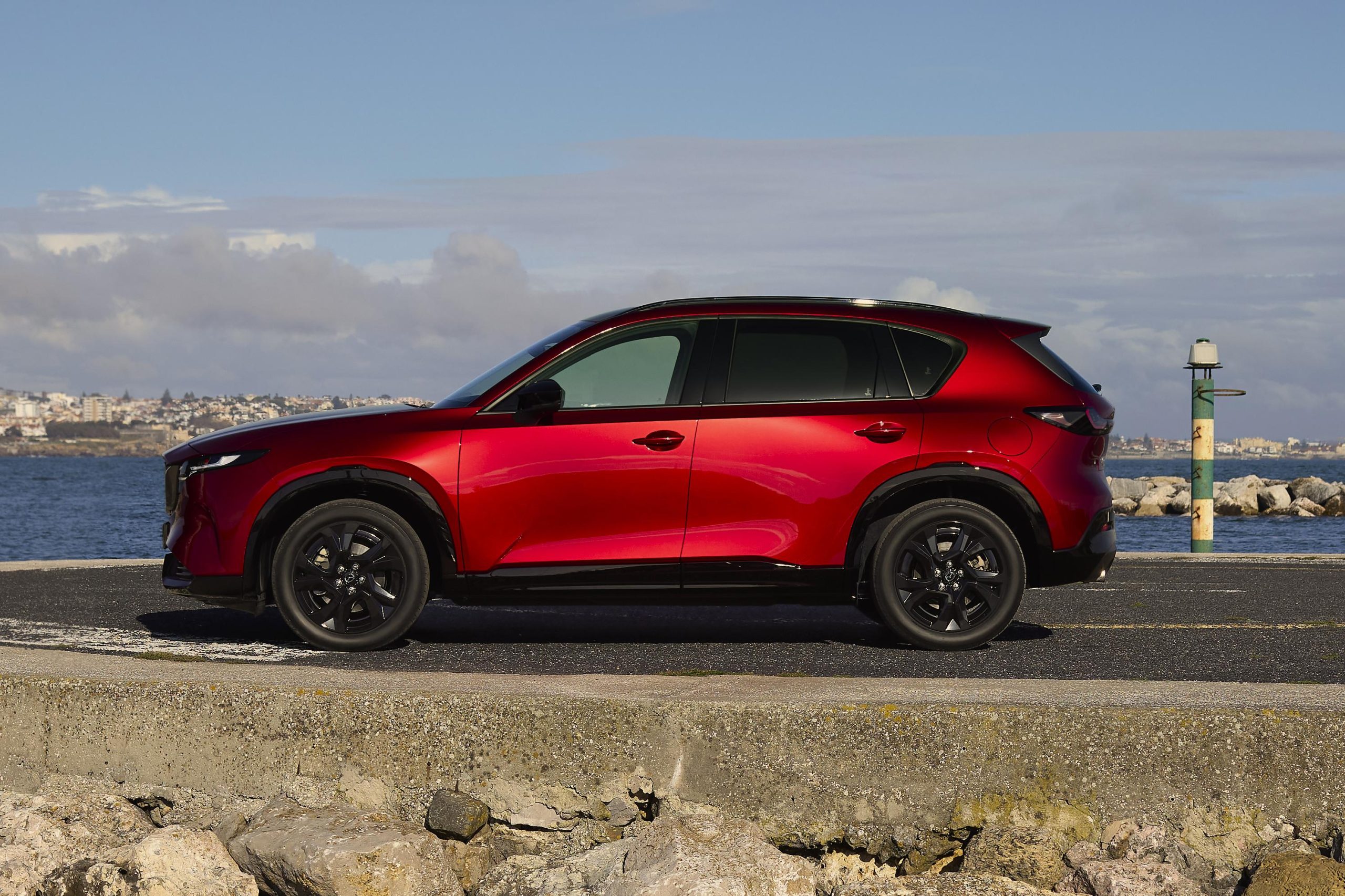
The latest iteration of the popular Mazda CX-5 is set to hit Australian shores, bringing with it a suite of upgrades designed to enhance its premium appeal and technological prowess. However, beneath the polished exterior lies a strategic approach to production, where Mazda has meticulously identified and implemented cost-saving measures without compromising the elements that truly resonate with buyers.
This recalibration of manufacturing processes, detailed by Mazda’s Chief Financial Officer Jeffrey Guyton, is crucial for the brand, especially considering the CX-5’s status as its global best-seller and a significant contributor to its US market performance, which is now subject to a 15 per cent tariff. The overarching goal is to maintain or even improve profit margins compared to the outgoing generation, a vital objective given the company’s recent financial performance.
Strategic Cost Reductions: The Unseen Savings
Mazda’s approach to cost management on the new CX-5 is a masterclass in focusing resources where they matter most to the consumer. One of the most significant areas of savings has been in the vehicle’s steel body structure.
-
Body Structure Efficiency: Early collaboration with supplier Nippon Steel during the development phase allowed Mazda to streamline the steel body structure. This optimisation resulted in substantial cost and weight reductions, even as the new CX-5 grows in size compared to its predecessor.
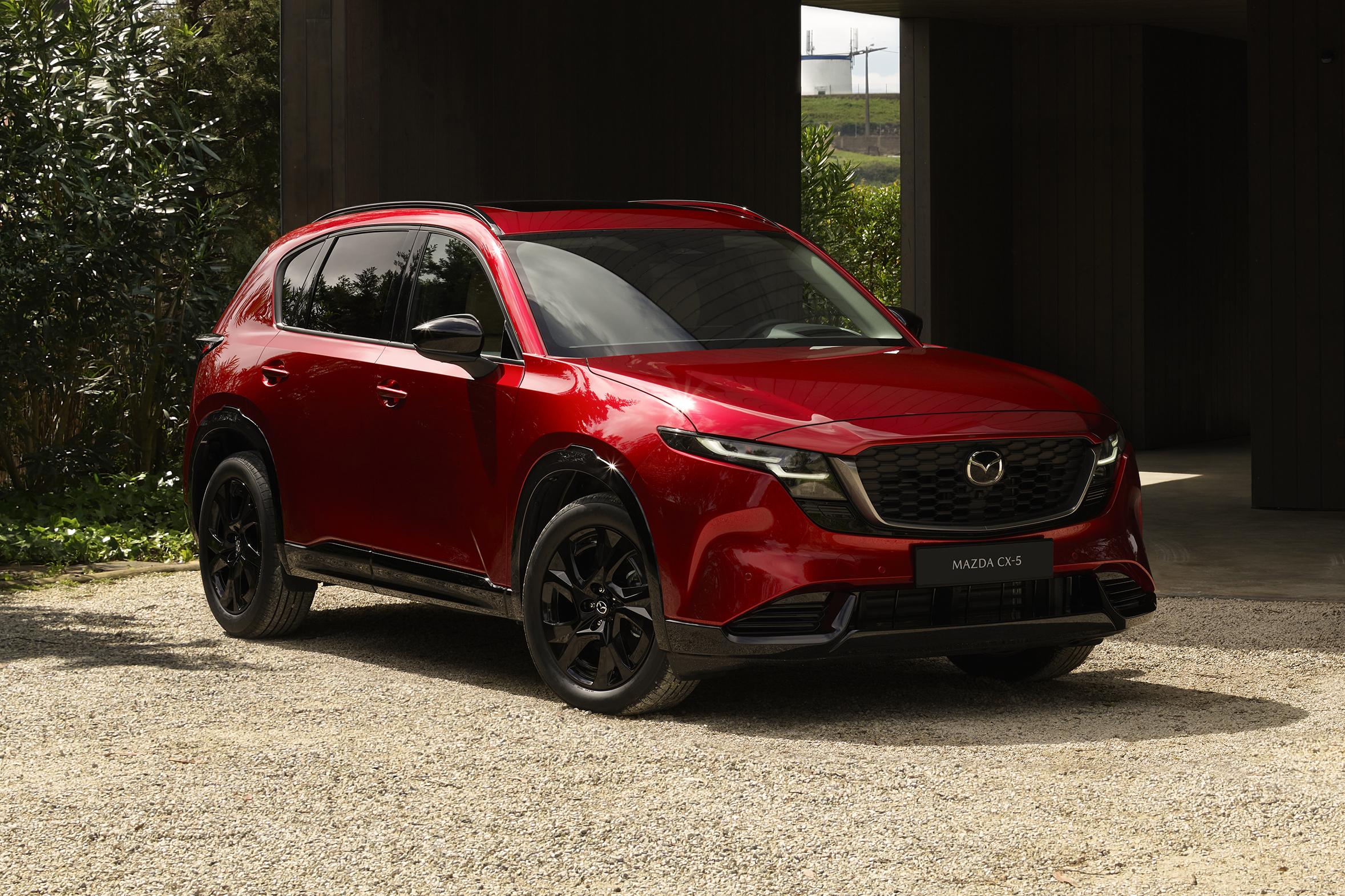
The new model measures 4690mm in length, 1860mm in width, and 1695mm in height. This represents an increase of 115mm in length and 15mm in width, riding on a wheelbase that is also 115mm longer. This growth contributes to a more substantial road presence and improved interior space.
-
Steering Wheel Stitching: In a more granular example of cost-saving, Mazda has altered its technique for wrapping the leather on the steering wheel. Previously, the brand prided itself on precisely cutting and stitching the leather to ensure horizontal seam lines. However, Guyton explained that market research indicated customers did not place a higher value on this specific detail compared to the angled stitching commonly used by competitors.
“That’s great attention to detail from Mazda, but when we look at it, our customers are not really valuing that approach more than our competitors, but it costs us more money,” Mr Guyton explained. “Our competitors have an angled appearance to the stitches but the same leather.”
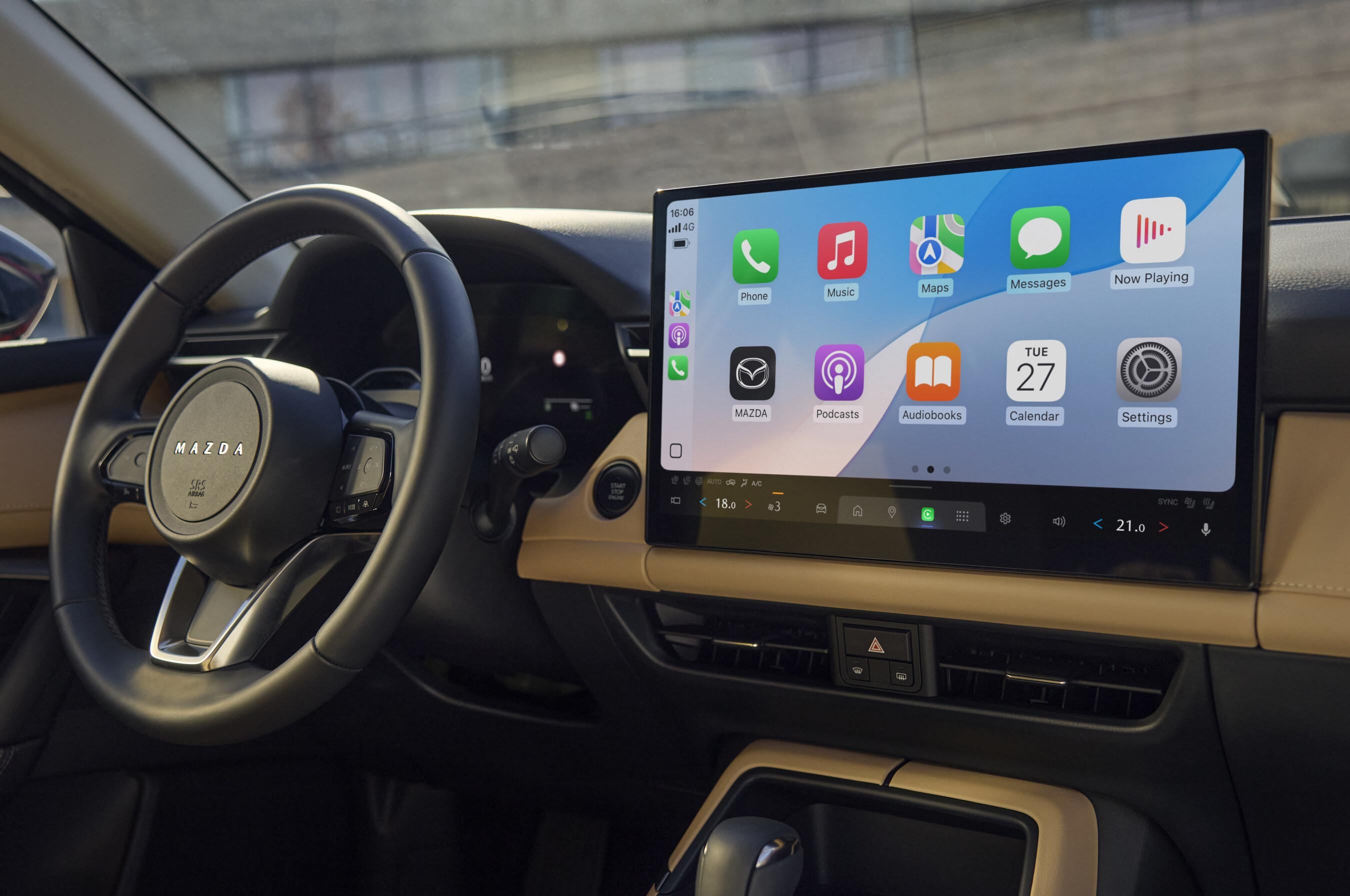
This seemingly minor change, while potentially noticeable to the most discerning eye, allows Mazda to redirect those savings towards features that have a more tangible impact on the driving experience and ownership.
Guyton emphasised that these are just two of “many, many, many” unseen cost-cutting initiatives implemented across the new-generation SUV. The guiding principle is clear: “Simply, we put money where the customer is going to see it, and we’ve tried to find big cost efficiencies where the customer doesn’t value it as much or won’t see it.”
Enhanced Technology and Features: Where the Money is Spent
While cost efficiencies are being diligently pursued, Mazda is not skimping on the areas that enhance the CX-5’s appeal and competitive edge. The new model boasts a significant upgrade in its technological offerings.
-
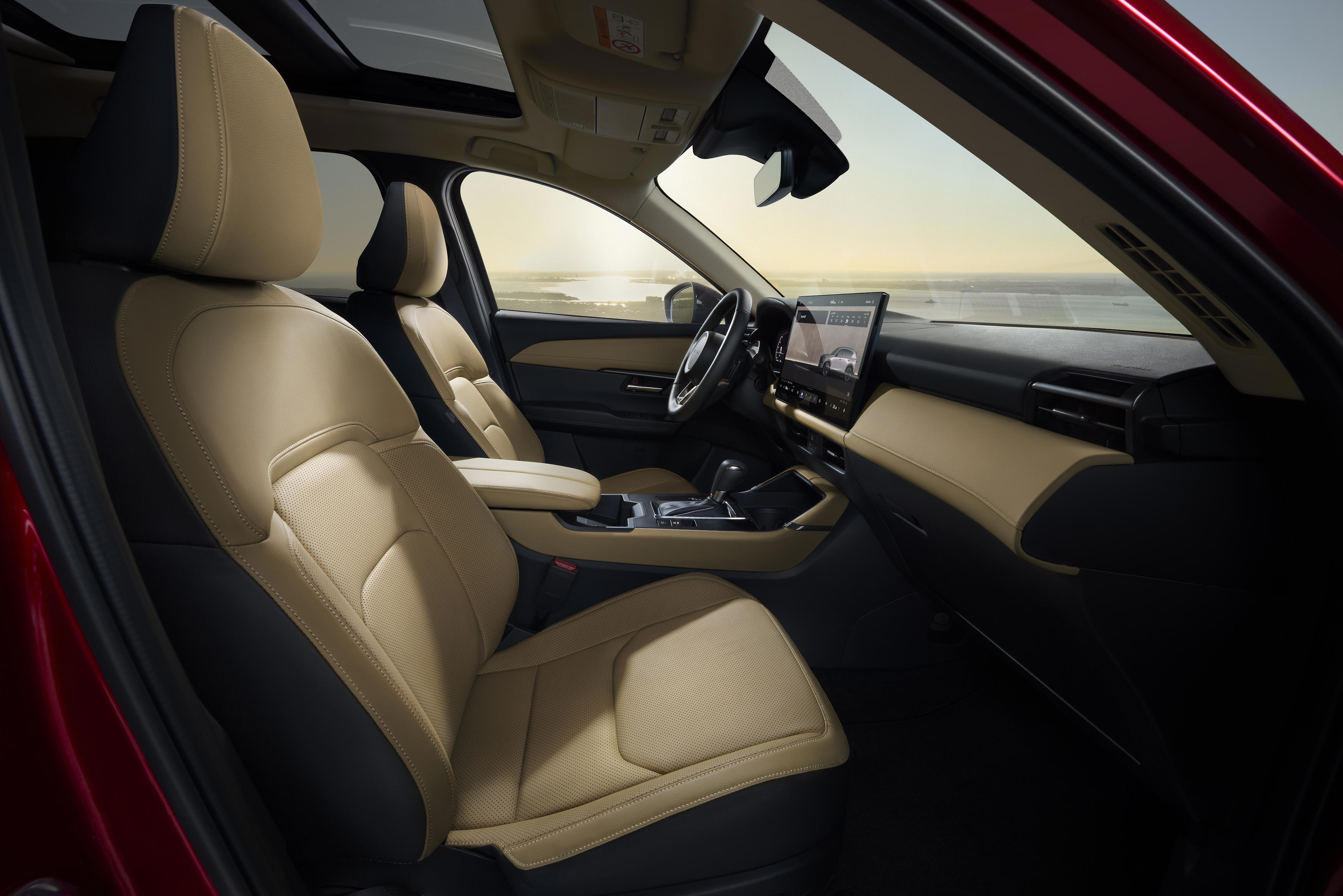
Infotainment System: A standout feature is the expansive 15.6-inch infotainment touchscreen. In the US market, this system will come equipped with Google Built-in, offering seamless integration of Google Maps, Google Assistant, and other embedded Google apps. This move signals Mazda’s commitment to providing a connected and intuitive user experience.
-
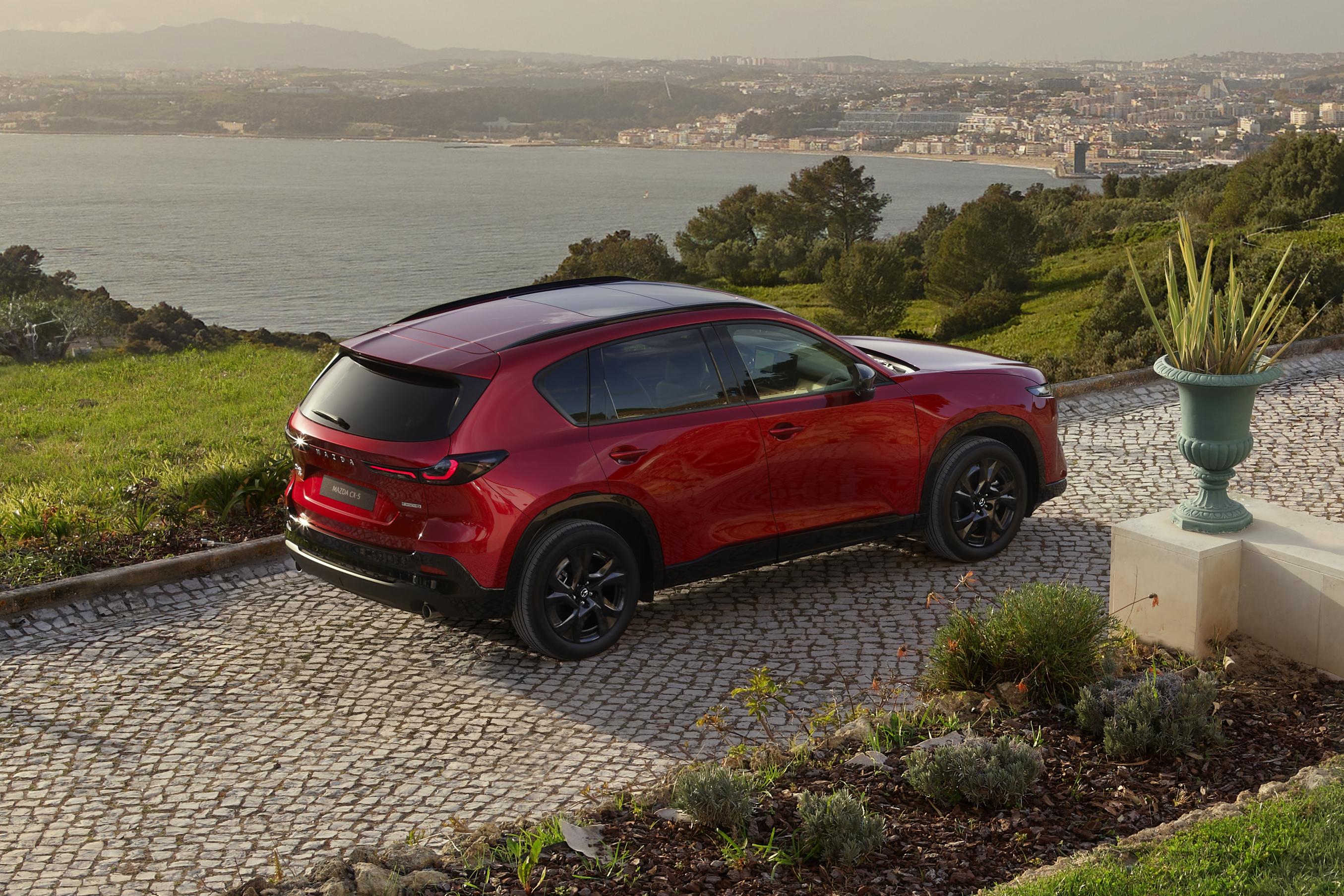
Digital Cockpit and Sunroof: For the first time, the CX-5 will be available with a fully digital instrument cluster, providing drivers with a modern and customisable display of vital information. Additionally, a panoramic sunroof will also be offered, enhancing the sense of space and light within the cabin.
-
Advanced Safety Features: Mazda has also teased the inclusion of new active safety and driver-assist features, further bolstering the CX-5’s reputation for safety and providing drivers with greater peace of mind.
Mazda reports that the start of production for the CX-5 was slightly delayed to allow for extended quality verification, particularly for its more sophisticated software systems. Production for Europe commenced in December, followed by the US in January, with Japan’s output scheduled for April.
Australian Arrival and Powertrain Strategy
Mazda Australia has confirmed that the new-generation CX-5 is slated for a mid-2026 arrival. Initially, the Australian market will receive a carryover naturally aspirated 2.5-litre four-cylinder engine.
-
Initial Powertrain: This engine will produce 132kW of power and 242Nm of torque, representing a slight decrease of 8kW and 10Nm compared to the outgoing model. It will be paired with a six-speed automatic transmission and all-wheel drive.
-
Future Hybrid Option: The more potent turbocharged 2.5-litre four-cylinder engine will not be offered at launch. However, Mazda has confirmed that a hybrid variant will be introduced later, promising performance levels comparable to, or even exceeding, the previous turbo engine. This hybrid model is specifically earmarked for the Australian market, which has shown a growing appetite for electrified vehicles, although its exact launch timing remains unconfirmed. The hybrid is expected to launch in the US in 2027.
Despite being outsold by the Toyota RAV4, the CX-5 has maintained a consistent position within the top three best-selling vehicles in its segment for over a decade. The new generation faces stiff competition, not only from an updated RAV4 but also from within Mazda’s own lineup, with the CX-60 now offering a more accessible entry point thanks to the introduction of a price-leading naturally aspirated 2.5-litre powertrain.