Caulfield Track Woes Spark Outrage: Jockeys Shun Inside Lane Amidst “Embarrassing” Conditions
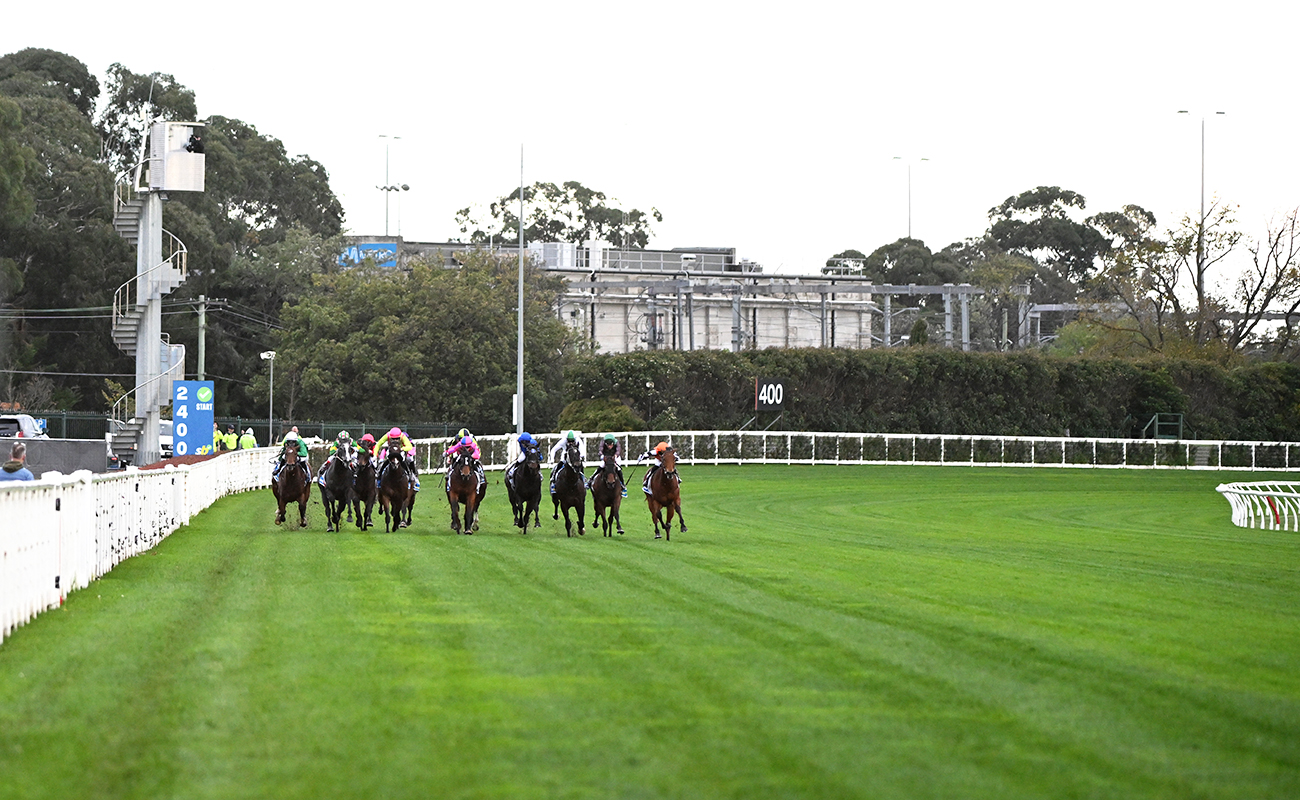
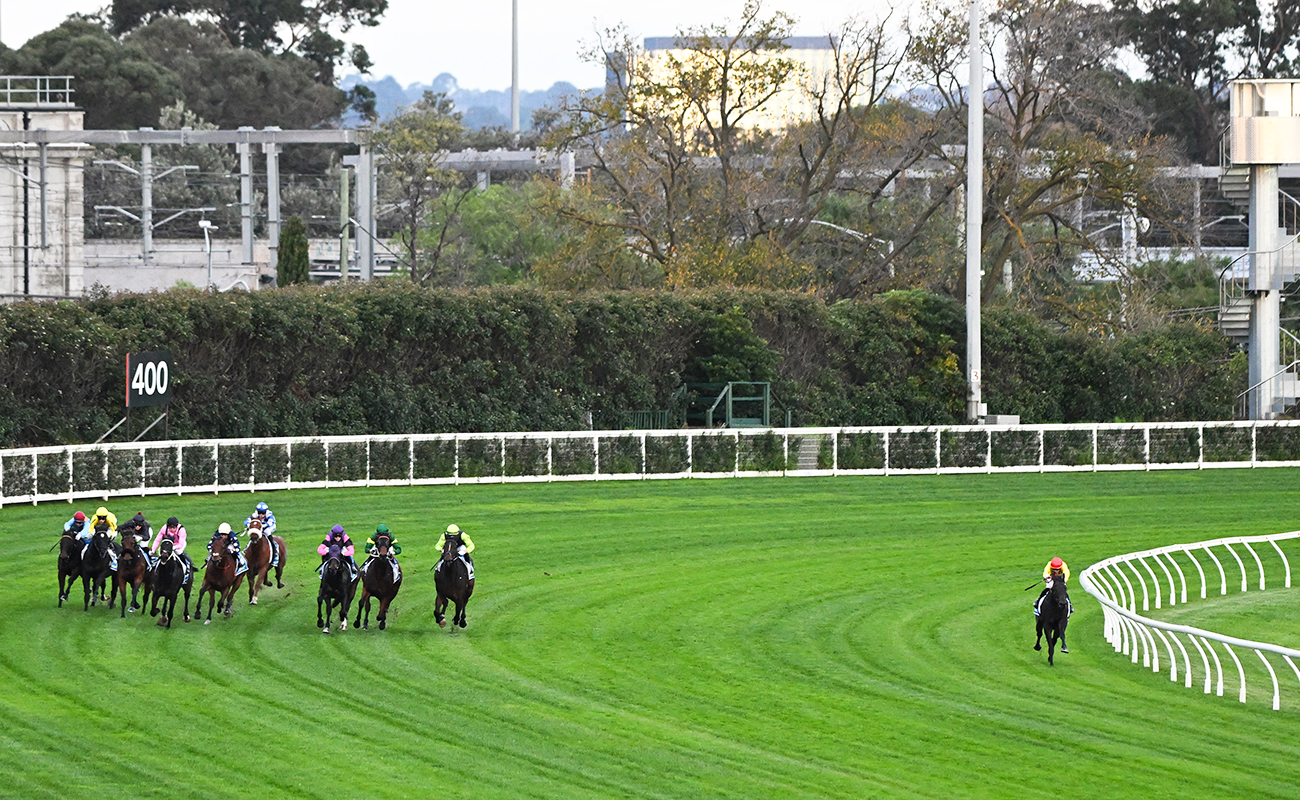
The hallowed turf of Caulfield Racecourse, a cornerstone of Australian racing, has found itself under intense scrutiny following a weekend of what many are describing as “embarrassing” and “bizarre” scenes. During Saturday’s race meeting, a startling reality emerged: only one jockey out of nine races dared to utilise the inside portion of the track, forcing the vast majority of the field to hug the outer boundaries. This widespread avoidance of the rail suggests a track condition so compromised that riders feared for their safety and the welfare of their horses.
The situation was so dire that commentators and racing enthusiasts alike have voiced strong opinions, demanding immediate action and a thorough review of the Caulfield track’s management. The lack of use of the inside lane meant horses were covering significantly more ground than usual, a tactical disadvantage that jockeys were clearly unwilling to risk on a track they deemed unsafe.
Adding to the concern, this was the first race meeting at Caulfield in over a month, a period that one would expect to allow for significant recovery and preparation of the track. Yet, the conditions remained far from ideal. Renowned commentator Jason Richardson, speaking on Channel 7, did not mince his words. “All the jockeys are getting 10-15 (metres) off the rail,” he observed. “Let’s call it how it is, it’s simply not good enough for a metropolitan Saturday at Caulfield. They haven’t raced there for a while and this is craziness.”
The sentiment was echoed by racing legend Glen Boss, who offered a stark, if somewhat colourful, assessment: “It just looks like a ploughed paddock to me. Soon they’ll be riding in the bar.” His analogy paints a vivid picture of a track surface far removed from the pristine conditions expected at a venue of Caulfield’s stature.
A Lone Genius or Foolish Gamble? The Inside Track Gamble
The drama, however, wasn’t entirely without its moments of brilliance. It wasn’t until the very last race of the day that a jockey finally ventured to the inside. This bold decision proved to be a masterstroke. Young jockey Jett Stanley, aboard Hezdarnhottoo, navigated the inner lane to victory in Race 9, winning with considerable ease. While the rest of the field battled on the chewed-up outer sections, Stanley found a firm, untouched strip of grass.
Stanley’s post-race comments highlighted his calculated risk. “You don’t become great by following people and being a sheep,” he stated, embracing his successful gamble. “You put your neck on the line. I thought I’d be a genius or an idiot and I turned out to be a genius.” He elaborated on his thought process: “I thought ‘if they’re losing six or seven lengths going around I might as well sneak up, skip those five or six (lengths) on them and get the job done’. Outside is chopped up all day now … we’re up to Race 9, the inside hasn’t been touched, it’s fresh grass – go there.” His foresight and courage paid off handsomely, contrasting sharply with the caution exhibited by his peers throughout the day.
Social Media Erupts: A “Sad Indictment” on Track Management
The disappointing state of the Caulfield track quickly became a hot topic on social media, with fans and racing pundits alike expressing their dismay. The consensus was that the situation was a “sad indictment” on the track’s condition and the management overseeing it.
- Trav Noonan of SEN radio pointed to the workload as a potential culprit, suggesting a need for a reprieve: “Caulfield clearly a tired track in need of a break. Racing Victoria / Melbourne Racing Club need to look at moving some meetings to give it some time ahead of a busy Spring Carnival. Racing well below how it should be in 2026 with the increased workload.”
- One anonymous pundit bluntly stated: “The Caulfield track wasn’t just an embarrassment yesterday, it has been for three months.”
- Another long-time racing follower lamented: “I’ve been watching the races since I was 18. Never seen them get out so far at Caulfield. Track is cooked.”
A History of Issues and Promises of Improvement
This is not the first time Caulfield’s track surface has been a point of contention. Following the Group 1 William Reid Stakes meeting on March 21, the Melbourne Racing Club acknowledged that the track had “didn’t perform to the standard we expected.” At the time, remedial works were undertaken, and the racecourse manager, Sam Bennetts, expressed confidence that the track was in good condition for future events.
“The biggest difference between this period now and years gone past is the amount of racing we’ve had,” Bennetts had explained. “It was six race meets in nine weeks, so only three Saturdays off, so I think that just caught up to us in the end.” This admission highlights the challenging balance between maximising racing opportunities and maintaining the integrity and safety of the track surface, a balance that, according to recent events, has clearly been missed at Caulfield. The calls for change and a serious re-evaluation of track management practices are now louder than ever.