Diesel Power’s Enduring Grip on Australian Commercial Vehicles
Despite global shifts towards electrification and tightening emissions standards, Volkswagen believes diesel engines will continue to play a significant role in Australia’s commercial vehicle market for the foreseeable future. The German automaker’s local division points to specific Australian conditions and industry needs as key drivers for this sustained demand.
Nathan Johnson, Brand Director for Volkswagen Commercial Vehicles Australia, expressed confidence in diesel’s longevity. “I definitely think diesel will be here [going forward],” he stated. While acknowledging that volumes might not remain at current levels due to factors like Australia’s New Vehicle Efficiency Standard (NVES) and evolving global market trends, Johnson remains convinced of diesel’s continued relevance. “But is diesel going to be in Australia for a period of time? I believe so,” he told CarExpert.
Previously, concerns were raised that Australia might become a destination for older, less environmentally friendly engine technologies if manufacturers lacked incentives to introduce their latest advancements. However, the company now sees the NVES as a positive force in reshaping the new-car market. Crucially, Volkswagen highlights that strong demand for diesel persists among those who rely on commercial vehicles for their livelihoods, as well as for recreational purposes and for individuals residing in regional Australia.
Why Diesel Remains a Practical Choice Down Under
Johnson elaborated on the continued appeal of diesel, noting that it is “still trusted by many industries” and “still required by quite a few customers.” He attributed this to the unique “current landscape of Australia – or, the geography of Australia, and the requirements of Australia.”
He conceded that the market is in constant flux, with buyer preferences shifting rapidly. “So our goal is to offer the customers what they need right now,” Johnson emphasised. In response to these evolving demands, Volkswagen’s product lineup is adapting. The company is set to introduce plug-in hybrid (PHEV) options with the Caddy and Multivan, expected later this year or early next year, signalling a move towards alternative powertrains.
Navigating the Legacy of ‘Dieselgate’
Volkswagen’s association with diesel engines is, of course, intertwined with the ‘Dieselgate’ scandal that emerged in late 2015. The brand faced significant scrutiny when it was revealed that its passenger car engines were designed to circumvent emissions testing protocols.
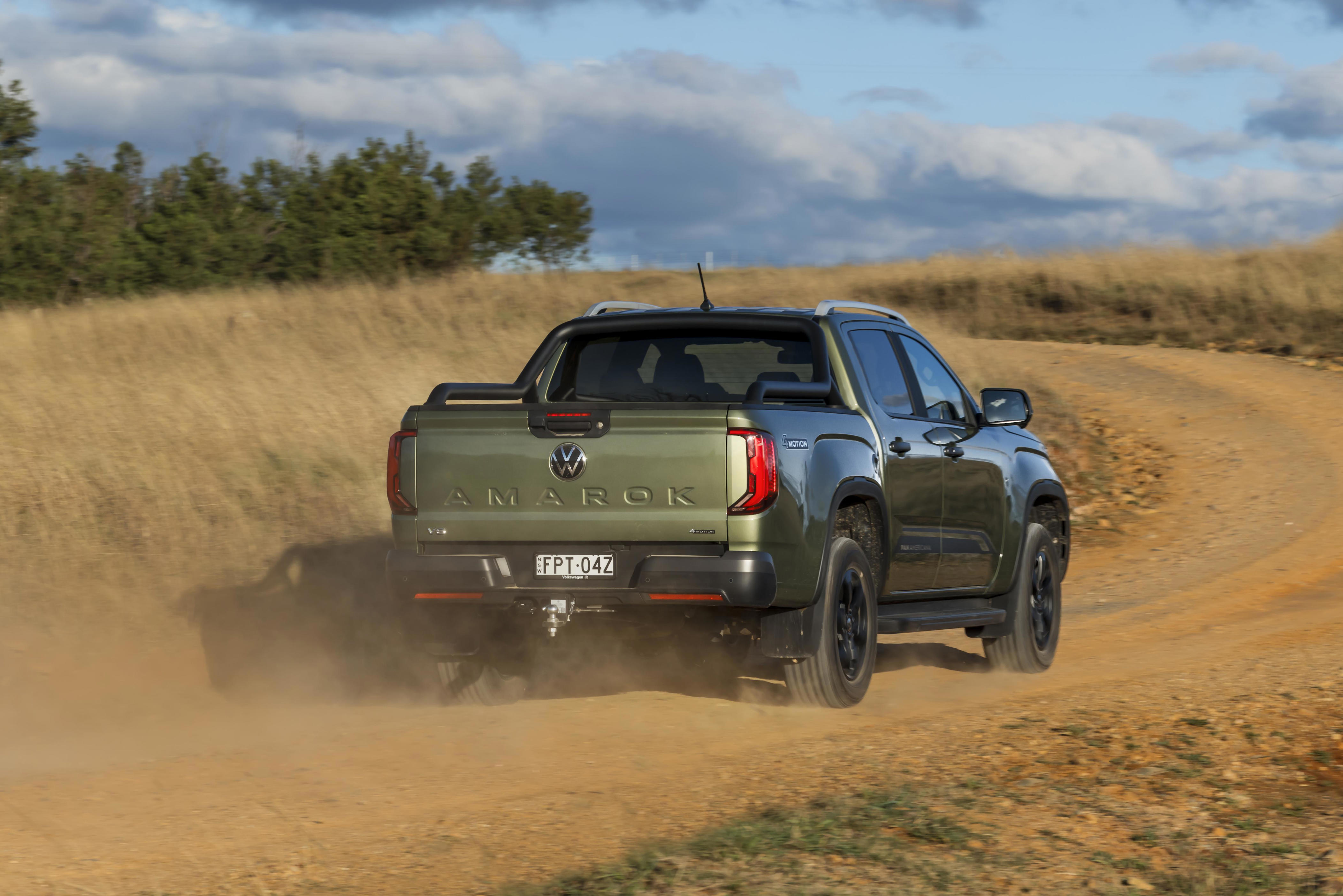
While not the sole manufacturer implicated in such practices, Volkswagen incurred substantial global costs, estimated at around A$57 billion, covering fines, compensation, and vehicle buy-back programs. In Australia, the company paid approximately A$125 million to the government. Following the scandal, Volkswagen began to phase out diesel-powered passenger cars. However, the company has continued to offer diesel powertrains in its new generation of commercial vehicles.
A Strategic Differentiator in the Commercial Sector
Johnson drew a clear distinction between the passenger and commercial vehicle segments within Volkswagen’s strategy. “Our colleagues and brothers and sisters in [Volkswagen] passenger vehicles bringing in the Tayron [and] Tiguan PHEV – obviously they’ve made the shift away from diesel – but in the commercial space, it still makes a lot of sense and there’s a requirement for it,” he explained.
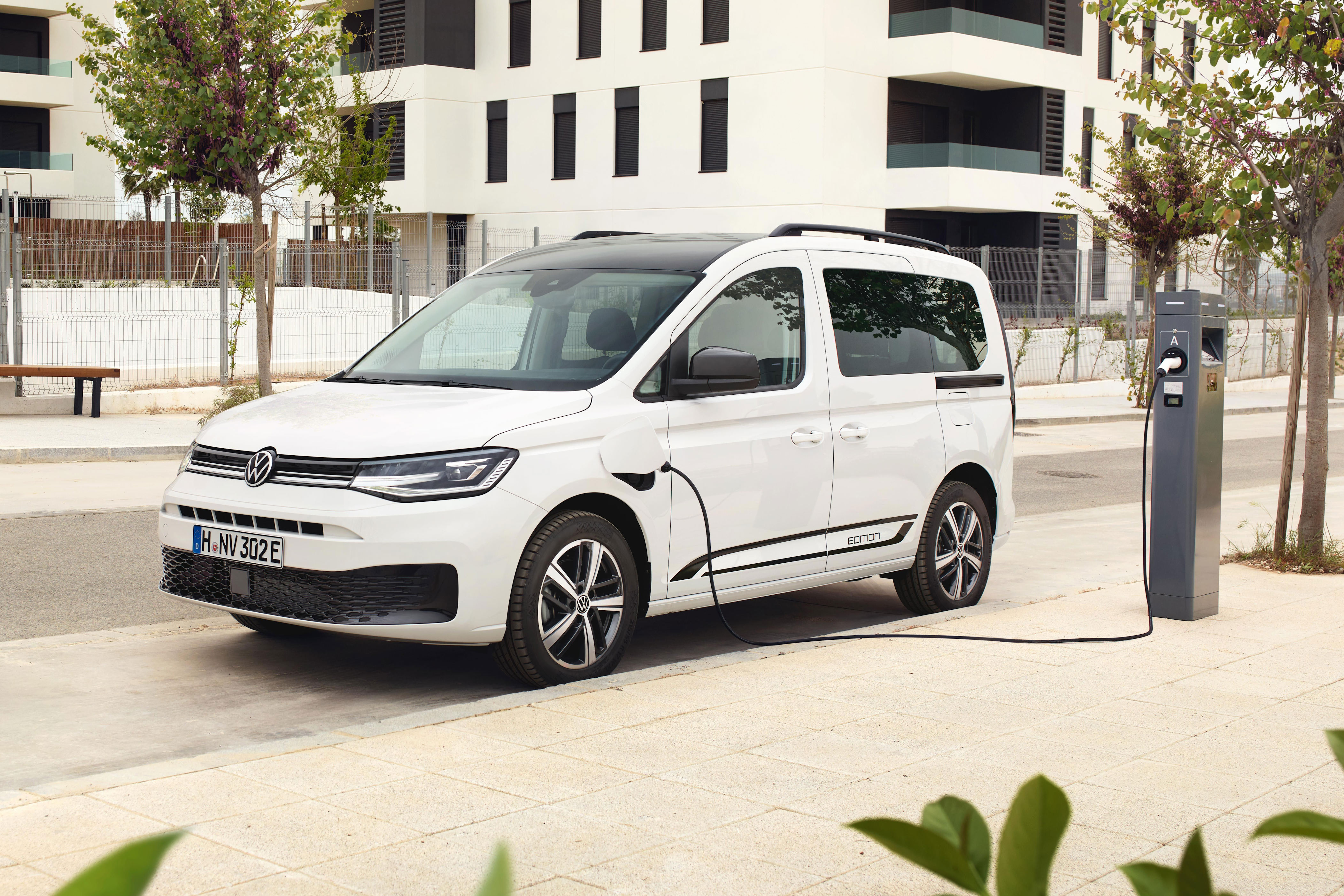
This strategic focus means Volkswagen remains committed to supporting its commercial customers with diesel options. “So, we’ll continue to support that … with more efficient engines, as those products become available to us,” Johnson assured. This commitment underscores Volkswagen’s belief that for many Australian businesses and individuals requiring robust and capable vehicles, diesel power still offers a compelling and practical solution.
Volkswagen’s approach reflects a nuanced understanding of the Australian market, balancing global environmental imperatives with the practical realities and ongoing needs of its commercial vehicle clientele. The introduction of new hybrid technologies alongside continued diesel offerings suggests a multi-pronged strategy aimed at serving diverse customer requirements.