The Crisis in Liberian Football: A Test of Autonomy and Integrity
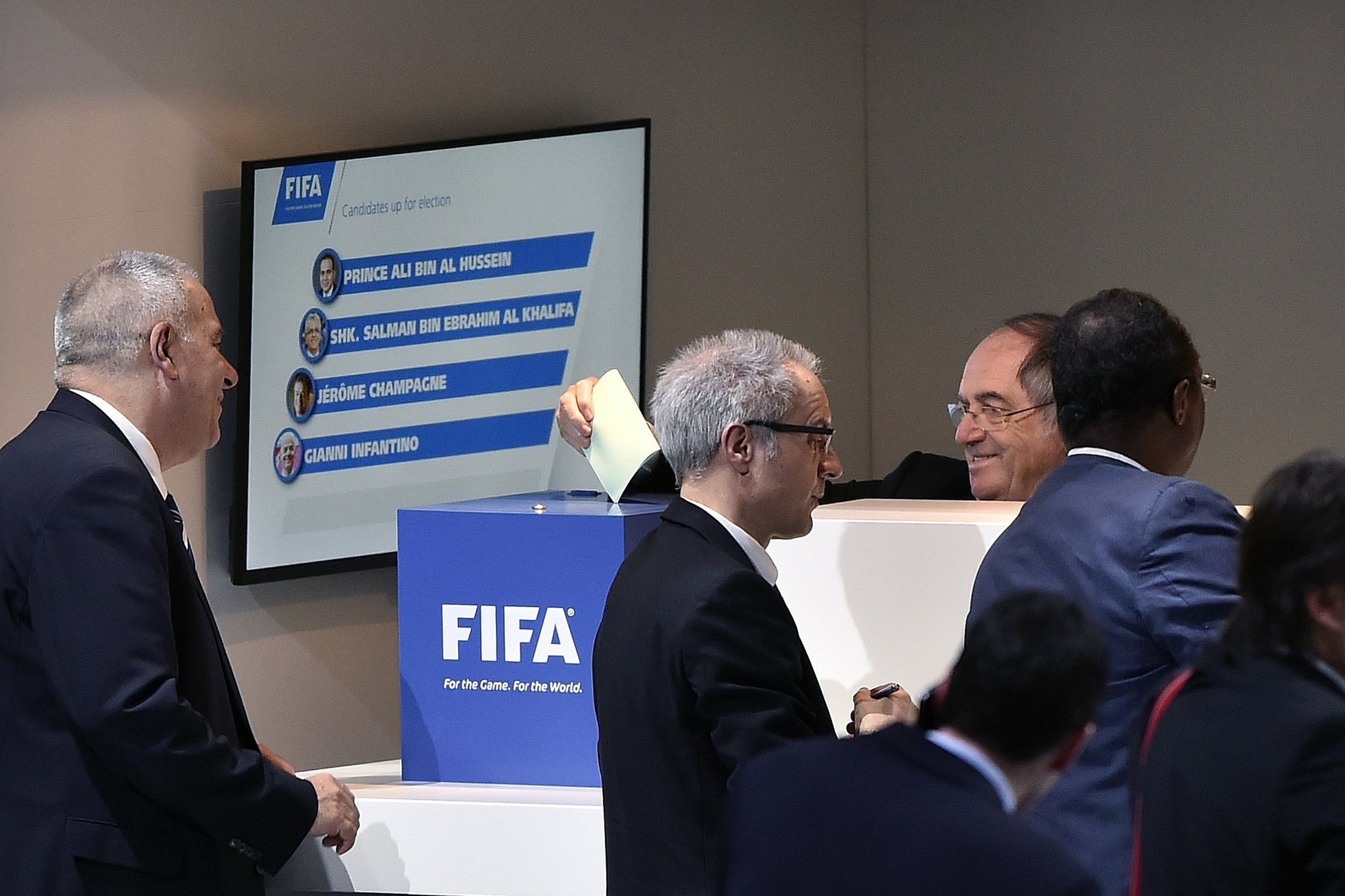
The future of football in Liberia is at a critical juncture, with the global governing body FIFA expressing deep concern over what it calls “undue third-party interference” in the affairs of the Liberia Football Association (LFA). This crisis has been triggered by a controversial court injunction that halted the LFA’s electoral process, raising serious questions about the autonomy of football associations and the integrity of those seeking to lead them.
FIFA’s Stance on Autonomy
FIFA has repeatedly emphasized the importance of maintaining the independence of member associations. In a strongly worded communication dated April 2, 2026, the organization warned that the intervention of Liberia’s Civil Law Court in the LFA election dispute could result in sanctions, including a potential suspension of Liberia from international football.
This warning stems from FIFA’s belief that football governance must remain free from external influence, particularly from state institutions such as courts. The organization cited Articles 14 and 19 of its statutes, which stress the need for football associations to operate independently. The court’s decision to suspend the LFA’s electoral process is seen as a direct violation of this principle.
“The current situation… appears to constitute a clear case of undue third-party interference,” FIFA stated in its letter. The governing body also reiterated that disputes related to football, especially elections, should be resolved through internal arbitration mechanisms rather than ordinary courts.
Consequences of Non-Compliance
Failure to reverse the situation by April 9, 2026, could lead to the matter being escalated to FIFA’s decision-making bodies, with suspension a real and immediate possibility. A FIFA suspension would have severe consequences for Liberia. The national team would be barred from international competitions, including World Cup and AFCON qualifiers. Local clubs would be excluded from continental tournaments, and FIFA development funding—crucial for infrastructure, youth football, and women’s football programs—would be frozen. International transfers and exposure opportunities for Liberian players would also be severely restricted.
In essence, Liberia would be cut off from the global football ecosystem.
The Legal Action That Sparked the Crisis
The legal action that triggered the crisis was initiated by Cassell Anthony Kuoh, a presidential aspirant in the upcoming LFA elections. His petition led to the court granting a preliminary injunction, halting the electoral process. However, the situation escalated dramatically when a leaked audio recording allegedly featuring Kuoh surfaced.
In the recording, he appears to suggest that high-level political influence—including from senior government officials—played a role in securing the court’s decision. The voice in the audio claims, “I decided to call someone too… after my call, the same judge came back and said… bring your paper, let me sign it.” The audio, widely circulated on social media, has sparked outrage and raised serious concerns about judicial independence and political interference in both governance and sport.
Kuoh has since denied the claims, describing the recording as “fabricated.” He stated, “At no time have I ever engaged in any such conversation, nor have I sought, directly or indirectly, to influence any judicial officer. I categorically disassociate myself from the said recording and any suggestion contained therein.”
Contempt Proceedings: A Legal Backlash
In response to the leaked audio, the Civil Law Court—presided over by Peter W. Gbeneweleh—has summoned Kuoh to answer to contempt of court charges. The writ alleges that the recording undermines the integrity of the judiciary and seeks to determine whether Kuoh should be held in contempt for statements suggesting manipulation of the court.
This development adds another layer of complexity to an already volatile situation, placing both the judicial system and the football sector under intense scrutiny.
Integrity of Football Leadership
FIFA’s broader concern is the integrity of football leadership, which many believe Kuoh lacks based on his criminal background. His candidacy has reignited debate over eligibility standards within the LFA, particularly given his past conviction in the United States for a multi-million-dollar fraud scheme involving gold and diamonds. He served for several years before he was later released by the US government after reaching a compromise.
From a governance perspective, this raises critical questions—can an individual with a documented history of financial misconduct be entrusted with managing football institutions? Or should such a person oversee funds—often running into millions—provided by FIFA for national development programs?
FIFA’s regulatory framework places heavy emphasis on integrity, transparency, and ethical leadership. Its Code of Ethics explicitly requires that football administrators meet strict standards of honesty and accountability. Allowing a figure with a controversial financial history to assume leadership could not only undermine public trust but also jeopardize Liberia’s standing within the global football community.
Lessons from Precedent
FIFA has previously taken decisive action against associations where government or judicial interference was deemed excessive. Countries such as Nigeria, Kuwait, and Zimbabwe have all faced suspensions under similar circumstances. In each case, the consequences were swift and far-reaching—often forcing governments to reverse course to regain FIFA membership.
Liberia now faces a similar crossroads. The unfolding crisis presents a complex test for Liberia. For the judiciary, it is about balancing legal authority with international obligations; for football authorities, it is about enforcing statutes and protecting institutional integrity; for political actors—resisting the temptation to influence independent processes; and for the public, it is about recognizing the broader national implications beyond individual ambitions.
FIFA’s message is unambiguous—restore the autonomy of the LFA or face sanctions. This will likely require lifting or resolving the court injunction through appropriate legal or arbitration channels, reinforcing internal dispute resolution mechanisms within the LFA, upholding integrity standards in determining candidate eligibility, and ensuring that political actors refrain from influencing football governance.
What is unfolding is not merely an electoral dispute within the Liberia Football Association—it is a broader reflection of governance, accountability, and national decision-making. FIFA’s reaction underscores a critical reality: participation in global systems demands adherence to global rules. The cost of ignoring those rules could be isolation—not just from football, but from the credibility and opportunities that come with international partnership.
As the April 9 deadline approaches, the question is no longer just about who leads Liberian football—but whether Liberia will remain part of the global game at all.