Rising Costs of Holiday Sickness Claims
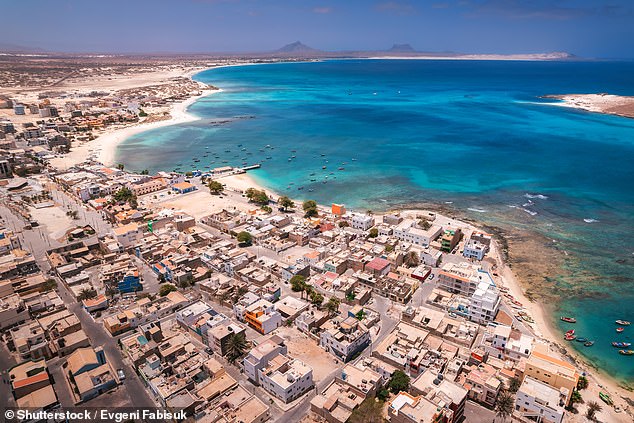
Sickness claims are adding significant financial strain to the cost of holidays for Britons, according to a recent warning from an expert. Travel giant TUI is preparing to face a multi-million pound class action lawsuit brought by hundreds of tourists who claim that poor hygiene and food standards at Cape Verde holiday resorts made them unwell.
Law firm Irwin Mitchell, representing the alleged victims, has stated that around 1,500 holidaymakers fell ill between 2022 and early this year while staying at these resorts. A six-week trial is set to take place at London’s High Court at the end of next year, with legal sources suggesting that Irwin Mitchell could potentially earn over £10 million in costs alone if they win the case.
The initial claims totaled between £200,000 and £400,000 for the first 64 litigants. Sonia Macleod, a research specialist in class litigation at Oxford University, told The Times that claims and lawyer fees were “ultimately adding to the cost of everyone’s holidays.”
In 2016, the trade association for tour operators Abta estimated that bogus sickness claims were adding up to 15% to the cost of the typical holiday. That same year, the estimated annual cost of fake claims brought to UK travel firms for gastric illnesses on holiday had reached £240 million.
Brits spent around £2,600 on foreign holidays each in 2025, but a 15% increase as a result of fake claims would take that average cost up to £3,000. With the average Briton spending roughly £2,600 on foreign trips in 2025, a 15% increase resulting from fake claims would add nearly £400 to the cost of an individual holiday.
Despite efforts by companies like Thomas Cook to combat false claims, Ms. Macleod said fake claims against travel companies did not stop. She added that the apparent “disproportionality between payout and fees/costs” means the people who are “benefitting from this creation of a kind of marketplace are really the lawyers.”
A barrister who has worked on holiday sickness claims said it is “still a massive industry,” adding that it’s both hard to prove and disprove that someone fell sick on holiday. There is no suggestion any of the claimants in the TUI case are falsifying their sickness claims.
Irwin Mitchell said it adhered to “strict professional rules on costs, evidence and client care,” adding: “Every case we bring goes through a screening process and is underpinned by detailed medical or other expert evidence.”
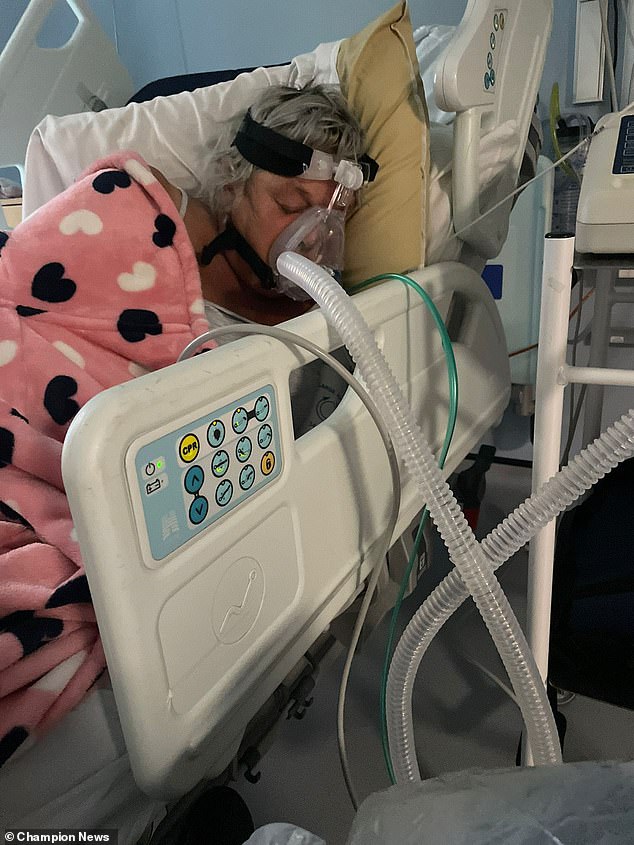
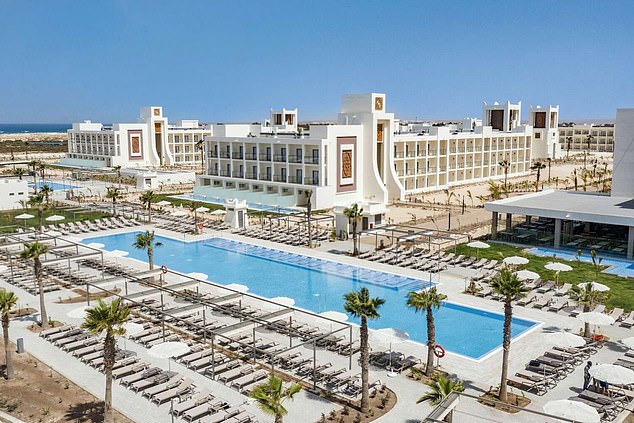
The widower of Jane Pressley, 62, who died in January 2023 after falling ill, is among 300 claimants seeking compensation from Riu Palace Santa Maria Hotel – part of hotel chain Riu which partners with Tui. Mrs. Pressley is one of six Britons to die after holidaying there since January 2023, all of whose families are now making personal injury claims against the package holiday firm.
Mark Ashley, 55, of Bedfordshire, Elena Walsh, 64, from Birmingham, Karen Pooley, 64, of Gloucestershire and two unidentified men from Watford, aged 56 and 60, also died after contracting stomach bugs in Cape Verde.
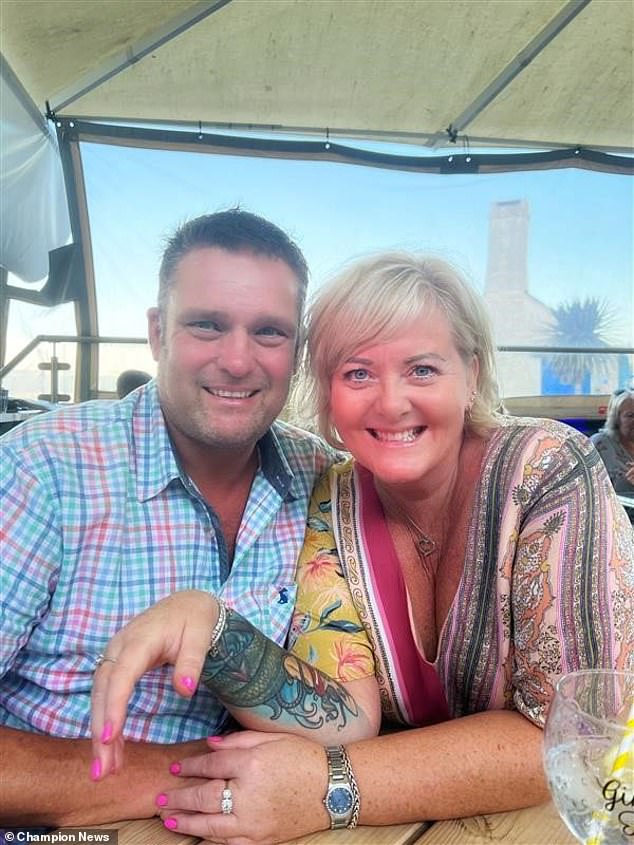


The claimants attribute their gastric illnesses to improperly prepared food and drink, unhygienic swimming facilities, stray dogs and rooms infested with cockroaches. The claims cover several Cape Verde hotels, but those involving the all-inclusive Riu Palace Santa Maria Hotel were the first to reach a pre-trial hearing in February.
The resort is built on the edge of the beach on the island of Sal, in Cape Verde, and features a waterpark, six swimming pools, a spa and several restaurants. According to documents placed before the court, the 300 tourists involved are suing for upwards of £5 million, all having fallen ill during or after stays at the hotel during 2022.
Infections increased through the summer, before peaking in October, when the holidaymakers’ lawyers say 110 people all became ill with gastric problems. “The claimants were all staying at the hotel on an all-inclusive basis, so that they all ate and drank exclusively – or in some cases predominantly – at the hotel during their time in Cape Verde before they became ill,” they said in claim documents.
Each of the claimants became ill with symptoms of gastric illness either during their stay at the hotel or shortly after their departure from the hotel. Each claimant claims damages for personal injury in respect of that illness, which each claimant will say was contracted at the hotel.
As well as complaining of undercooked food and dirty swimming pool water, the holidaymakers claim their rooms at the hotel were “unsanitary, infested with pests such as cockroaches, and/or otherwise not reasonably clean.” They added there were “numerous stray dogs present on the hotel’s private beach” which was “littered with dog mess.”
The lead claimant in the Riu Palace Santa Maria Hotel case is Nicky Morley, from Paignton, Devon, who stayed at the resort in May 2022 and became ill, suffering with diarrhoea, vomiting and abdominal pain, only a day into her holiday. She ended up at a hospital in Cape Verde, where she was given intravenous fluids and medication, but has continued to suffer gastric issues since, losing more than four stone in weight.
“Since the holiday, I’ve struggled to socialise or eat out with friends as I’m anxious about my bowel issues,” she said in a statement. “My whole life has been affected.”
Another claimant, Michael Pressley, is the widower of mother-of-two Jane Pressley, who died weeks after falling ill on holiday. Two days into her holiday, Mrs. Pressley, from Gainsborough, Lincolnshire, fell ill with gastric and flu-like symptoms, with her condition worsening on her return to the UK. She was hospitalised on Christmas Eve, with doctors suspecting a bacterial infection and prescribing antibiotics. She died a few days later in January 2023.
During last week’s hearing, Master Gidden said the case should proceed by way of consideration of 30 lead claimants, the decisions on which will dictate the fate of all the others. “It should be a sample of cases – some simple, some complex, but they should be representative, including some with continuing symptoms,” he said.
For the holidaymakers, barrister Stephen Cottrell said the 30 would give evidence at the trial about “what they ate, what they drank and what the swimming pool was like.” He said three of the 300 have “ongoing chronic fatigue syndrome,” some have respiratory problems and one more had a stroke – “very, very nasty conditions.”
Jatinder Paul, international serious injury lawyer at Irwin Mitchell, said at the time: “For several years, we’ve had numerous holidaymakers instructing us to investigate serious illnesses linked to stays in Cape Verde. This is the first group action to go before the courts and therefore a major milestone in our clients’ quest for answers. Those holidaymakers in this group action suffered serious and debilitating illnesses. The impact of serious gastric illnesses should never be downplayed. They can lead to long-term health complications, and in some cases, can even prove fatal.”
TUI is denying liability. At the beginning of February, the UK Health Security Agency (UKHSA) issued a warning over travel to Cape Verde. Since October 1 last year, the agency has identified 118 cases of shigella and 43 of salmonella linked to trips to the West African archipelago. People travelling to Cape Verde are now advised to eat food that is freshly prepared, fully cooked and served piping hot, use bottled or boiled water and avoid ice in drinks, only eat fruit they have peeled themselves and avoid salads that may not have been washed in clean water.