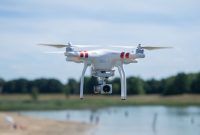
Escalation of Drone Attacks in North Kordofan
On Monday and Tuesday, July 7, 2026, at least 15 civilians were killed in two separate drone strikes targeting civilian vehicles in Sudan’s North Kordofan state. The attacks have raised serious concerns about the increasing use of unmanned aircraft in conflict zones and the impact on civilian populations.
The Kordofan region has witnessed a significant rise in drone attacks between warring factions over the past few months. These attacks have led to numerous civilian casualties and severe damage to critical infrastructure, including schools, hospitals, and water sources. The ongoing violence has left communities in a state of fear and uncertainty.
First Attack: Wedding Party Targeted
On Monday, a drone strike targeted a civilian vehicle carrying people to a wedding in the town of Al-Shaatoot, located east of the Jabrat al-Sheikh locality. According to a statement from the Emergency Lawyers group, the attack resulted in the deaths of 13 civilians, including five women. This incident highlights the tragic consequences of using drones to target civilian gatherings, which are often filled with families and individuals who have no connection to the conflict.
Second Attack: Water Source Hit
Another attack occurred on Tuesday morning when a drone struck a civilian vehicle transporting water near a water source in the Hamrat al-Sheikh area. The strike killed two people, further emphasizing the vulnerability of essential services and the risks faced by those trying to access basic necessities.
Patterns of Violence and Humanitarian Crisis
The Emergency Lawyers group reported that these incidents are part of an escalating pattern of drone strikes on civilians. Unmanned aircraft have been continuously flying over the northern parts of North Kordofan, tracking population movements and identifying potential targets. The group emphasized that such actions represent a systematic pattern of violence that terrorizes the local population and exacerbates an already dire humanitarian situation.
Repeated attacks on civilian vehicles, water sources, and residential areas have disrupted movement and limited access to basic needs, worsening the conditions for affected communities. The lack of security and stability has made it increasingly difficult for people to access food, clean water, and medical care.
Calls for Accountability and Action
The group expressed deep concern over the continuation of these attacks, noting that they may constitute war crimes under international law. They called for immediate and independent investigations into the incidents and demanded accountability from those responsible. The group also urged the lifting of restrictions on movement and full compliance with international humanitarian law to protect civilians.
Condemning the attacks, the Emergency Lawyers group held the executing party accountable and stressed the need for an immediate halt to all attacks targeting civilians. They emphasized that the protection of human life must be a priority in any conflict resolution efforts.
Conclusion
The situation in North Kordofan remains critical, with drone strikes continuing to claim civilian lives and destroy vital infrastructure. As the conflict escalates, the international community must pay close attention to the growing humanitarian crisis and take decisive action to ensure the safety and well-being of affected populations. The need for transparency, accountability, and adherence to international law has never been more urgent.