The Rise and Fall of AI Data-Labeling Workshops in Rural China
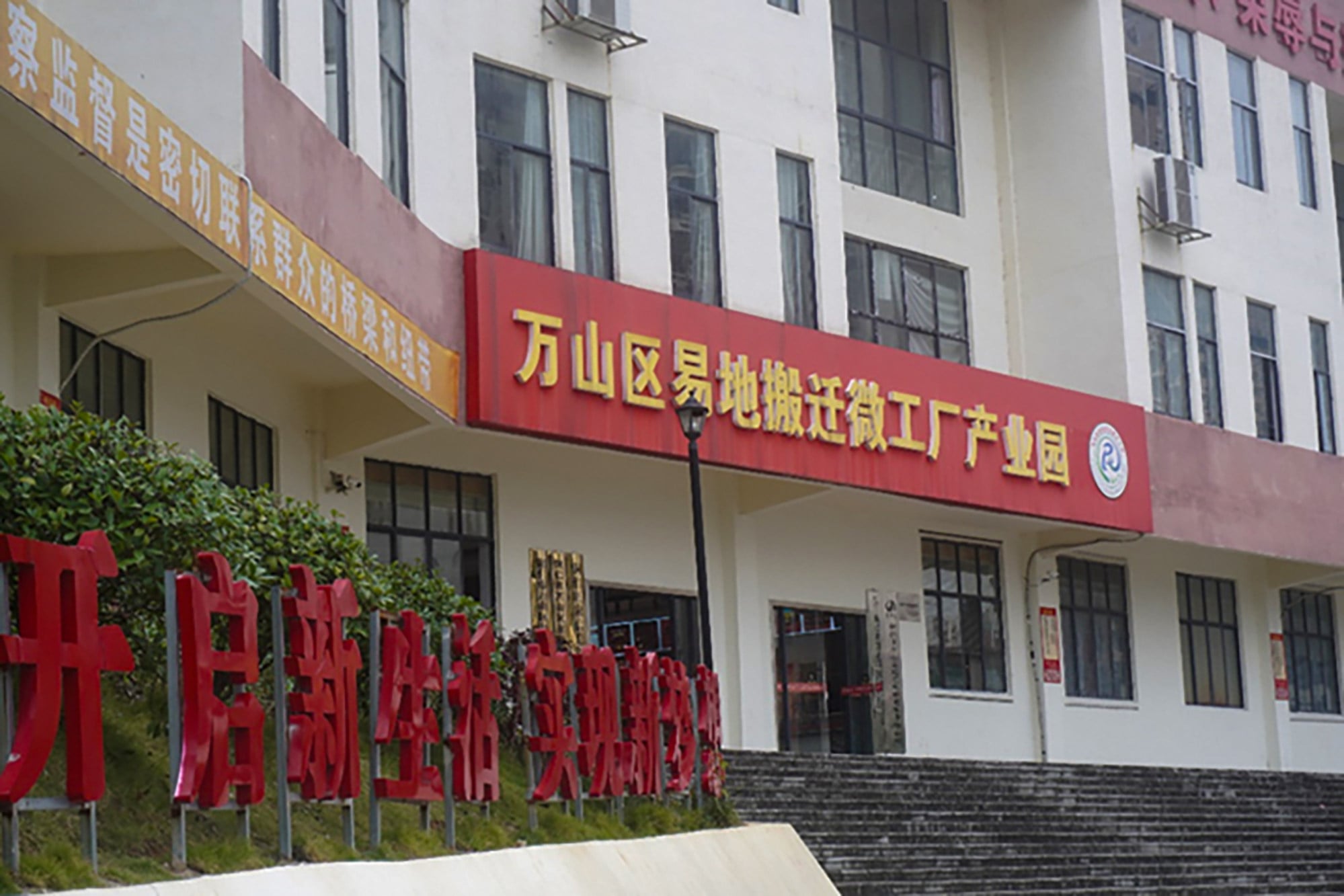
In the early days of autonomous driving, a different kind of innovation was taking shape far from Beijing’s bustling streets. In Guizhou province, thousands of workers were busy on computer screens, teaching AI systems how to navigate roads. These data-labelling workshops were part of a broader effort to alleviate poverty in one of China’s poorest regions.
The work involved marking residential buildings, pavements, roadways, and traffic lights—tasks that required little formal training but offered a chance for employment. This model brought together the interests of tech companies seeking AI training data, the government aiming for job growth, and workers needing stable income.
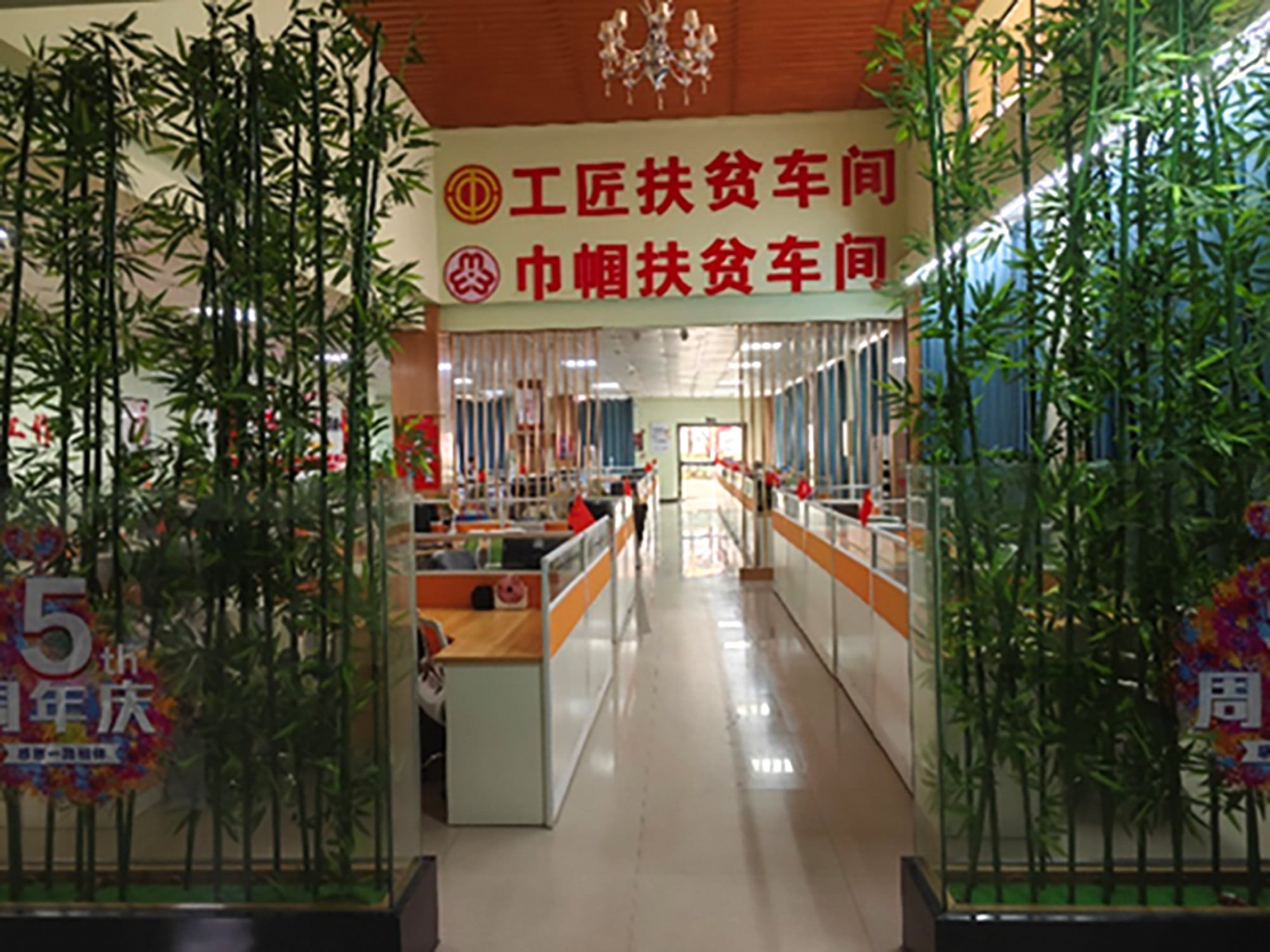
Hu Yu was one of 50 mothers working at the Tongren workshop when it launched in 2019. At the time, mothers made up about half of the center’s workforce, but today they account for around 20 per cent. “If it weren’t for the need to take care of my kids closely, I wouldn’t want to keep doing this job,” she said.
This initiative was part of President Xi Jinping’s poverty alleviation campaign, which aimed to eliminate absolute poverty by ensuring an annual income of at least 4,000 yuan. In Tongren, the workshop jobs initially offered an annual salary of 54,000 yuan, significantly higher than the local average. It seemed like a perfect solution for families with children left behind in rural areas while parents worked in coastal cities.
The programme was a collaboration between Alibaba Group, the China Women’s Development Foundation, and the Tongren municipal government. Alibaba owns the South China Morning Post. The jobs were created as part of a larger effort to provide opportunities for people in remote areas.
Hu described her daily tasks: “I do 3D fisheye segmentation. I draw bounding boxes around various objects in images of residential buildings, pavements or roadways.” She works eight hours a day with a flexible schedule, allowing her to pick up her kids from school whenever needed.

The data Hu labels is used to improve Alibaba’s autonomous driving AI. In 2024, an AI model from Alibaba Cloud began to be integrated into Nvidia’s Drive automotive platform, used by major Chinese electric vehicle manufacturers.
For a while, the arrangement flourished, with strong market demand and support from authorities and companies. Workshops were also established in Gansu and Shanxi provinces.
However, things changed around 2020 as AI models advanced, demanding more sophisticated data input. “As AI technology advances, the demand for higher accuracy and specialisation in data will increase, leading to the elimination of a large number of low-education data-labelling workers,” said Guo Jianxiong, an assistant professor in the AI department at Beijing Normal-Hong Kong Baptist University.
With some trained large models able to perform basic labelling work on their own, demand for human data labelling gradually fell. According to Chen Wei, an AI product manager at Alibaba, many Chinese AI companies are now focusing on refining specific application areas such as medical diagnosis or grading student assignments. This requires a higher level of expertise, making it difficult for many rural workers to meet the new standards.
By late 2024, recruitment requirements had changed to target applicants aged between 18 and 28, requiring a college diploma or above and basic computer skills. Most mothers in the workshop did not meet these qualifications.
Competition for remaining orders was intense. By the end of 2025, 17 workshops had been established nationwide, training more than 5,000 data labellers. When it launched, the initiative targeted 10 counties to benefit about 2,500 households. Now, the data-labelling programme counts just 1,500 workers in total.
The shift in policy after the completion of the national poverty alleviation campaign in 2021 led to a decrease in government subsidies. “When we first set up this workshop, we didn’t anticipate these issues, and now both orders and revenue are declining,” said the Tongren workshop leader.
Wages have fallen significantly, with mothers earning about 1,800 yuan per month. Morale has suffered, with many feeling the work is boring and physically taxing. Some workers expressed frustration over the lower pay and the way their work was calculated.
“Labelling data is becoming a new profession for young people in the remote mountains of Guizhou, and AI is empowering their employment development,” reported state broadcaster CCTV. However, the faces shown in the footage were mostly young people, not the mothers who once dominated the workforce.
To a person, each interviewed Tongren employee said they needed to improve their labelling skills and keep up with the pace of technological change. The future of these workshops remains uncertain as the industry evolves and the needs of the workforce shift.