Former Venezuelan President Nicolás Maduro Faces Renewed Legal Scrutiny in New York
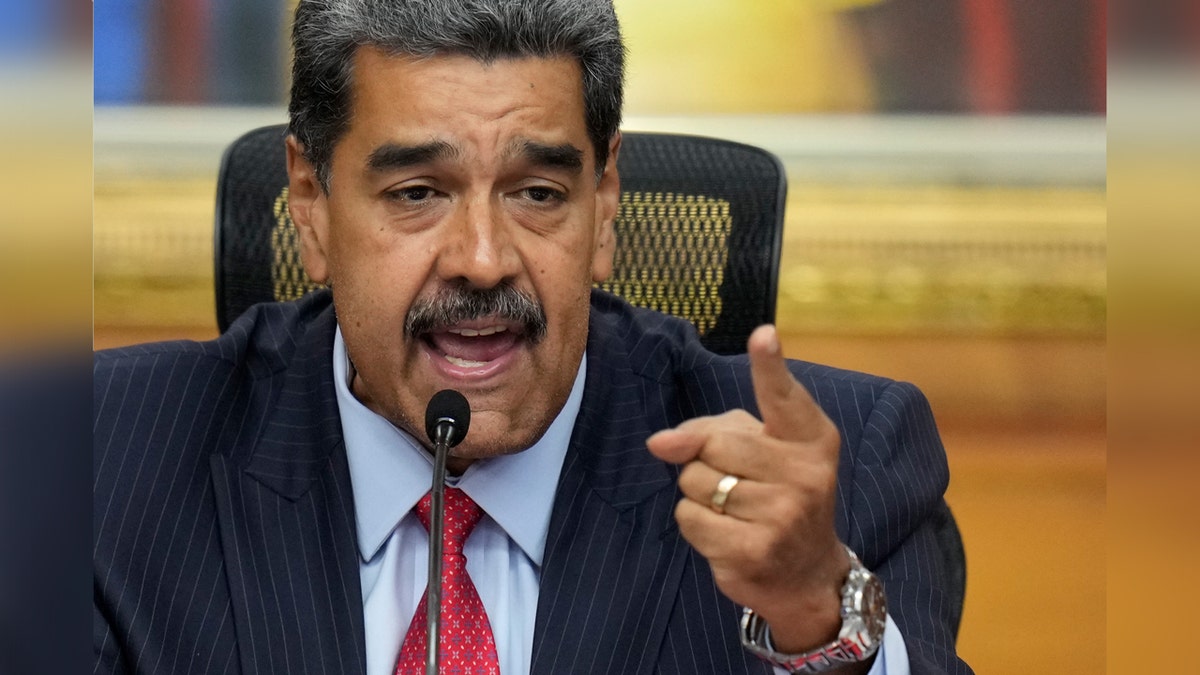
Nicolás Maduro, the former president of Venezuela, is scheduled to appear in a New York court once more this Thursday, following his apprehension by United States forces during a significant nocturnal operation. Maduro, aged 63, and his wife, Cilia Flores, have been in detention at a Brooklyn jail for close to three months, having been taken from their residence in Caracas by U.S. commandos in early January.
This operation effectively removed Maduro from his long-held position of power. He had been the leader of Venezuela since 2013, a period marked by intense pressure from the United States under the administration of former President Donald Trump. Maduro maintains his innocence, declaring himself a “prisoner of war” and vehemently denying all accusations levied against him. These charges encompass drug trafficking, the illicit introduction of cocaine into the United States, and various illegal weapons offenses.
In court, Maduro’s legal team is anticipated to petition for the dismissal of the case. A significant point of contention is the matter of who will bear the considerable legal expenses. While the Venezuelan government has expressed its intent to cover these costs, existing U.S. sanctions present a substantial impediment to such an arrangement. Maduro’s attorney, Barry Pollack, has characterized this situation as fundamentally unjust and a violation of his client’s right to a fair and adequate legal defense.
Maduro is currently being held at the Metropolitan Detention Center in Brooklyn. Reports from within the facility suggest he is being kept in solitary confinement, with his communications severely restricted. He is reportedly permitted only 15-minute calls with his family and legal representatives. Sources close to the situation indicate that Maduro has been spending his time engaged in reading the Bible.
Outside the courthouse in New York, a notable presence of both supporters and detractors has been observed. Some protesters have voiced their demands for accountability and justice concerning actions that allegedly occurred during Maduro’s tenure as president.
Following Maduro’s removal, Venezuela is presently being guided by Delcy Rodríguez, who previously served as the nation’s vice president. She is confronted with formidable challenges, including the critical task of revitalizing the country’s beleaguered economy.
Rodríguez has initiated a series of policy adjustments, which include the release of political detainees and modifications to the regulations governing the oil and mining sectors, ostensibly to align with U.S. expectations. In parallel, the United States has commenced a gradual process of re-establishing diplomatic ties with Venezuela.
Maduro had previously made an appearance in court in January, at which time he asserted his continued legitimacy as the president of Venezuela, notwithstanding his arrest.
The legal proceedings against former President Maduro are expected to be closely watched, both within Venezuela and on the international stage, as they unfold against a backdrop of complex geopolitical and economic factors. The outcome of these hearings could have significant implications for the future political landscape of Venezuela and its relationship with the United States. The intricacies of international law, sanctions, and the rights of detained former heads of state are all brought to the forefront in this unfolding legal drama.
The situation highlights the ongoing tensions and diplomatic complexities that have characterized U.S.-Venezuelan relations in recent years. The charges against Maduro are serious, and the legal battle is likely to be protracted and intensely fought. The question of financial resources for his defense remains a critical hurdle, underscoring the impact of U.S. sanctions on the ability of a sanctioned government to provide for its former leader’s legal representation.
Meanwhile, the interim government in Venezuela faces the monumental task of steering the nation through an economic crisis. The steps taken by Vice President Rodríguez to de-escalate tensions and potentially pave the way for improved international relations are significant. The release of political prisoners, in particular, is often seen as a key indicator of a shift towards greater political openness and a potential thawing of long-standing animosities.
The diplomatic overtures, however tentative, suggest a potential recalibration of foreign policy by both nations. The rebuilding of diplomatic relations, if successful, could open new avenues for dialogue and cooperation, potentially benefiting the Venezuelan populace who have endured years of hardship.
The court appearances of Nicolás Maduro serve as a stark reminder of the dramatic shifts in power and the legal ramifications that can follow. His insistence on his presidential status, even while detained, underscores the deep political divisions that continue to plague Venezuela. The coming days in the New York court will undoubtedly bring further developments in this high-profile case.