Rwanda Urges De-escalation and Diplomacy Amidst Middle East Tensions
Rwanda has issued a strong call for an immediate de-escalation of hostilities in the Middle East, emphasizing the critical need to protect civilian populations, uphold the sovereignty of nations, and re-engage in diplomatic efforts to prevent further bloodshed. The nation’s stance was articulated during a significant session of the United Nations Human Rights Council, highlighting Rwanda’s commitment to international peace and security.
The urgent appeal was made by Edmond Tubanambazi, First Counsellor at the Rwandan embassy in Geneva. Speaking at the 61st session of the UN Human Rights Council on Wednesday, March 25, Tubanambazi addressed the escalating conflict and its profound implications for regional stability and global security. The session specifically focused on recent developments involving Iranian actions against several Gulf states and Jordan.
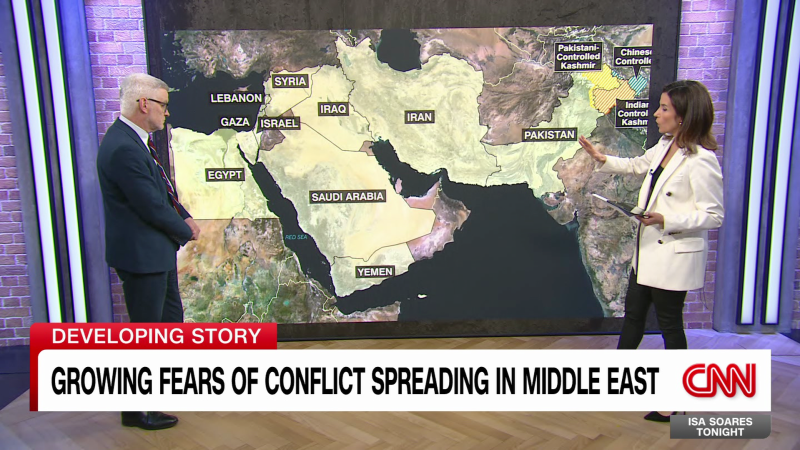
The current volatile situation traces its origins back to late February, when coordinated military strikes by the United States and Israel targeted Iranian territory. These actions significantly intensified long-standing regional rivalries, setting in motion a chain of retaliatory measures.
In response to the initial strikes, Iran launched a series of missile and drone attacks. These assaults were not confined to US and Israeli forces but also extended to neighbouring states across the Gulf region. The countries directly affected by these retaliatory actions include the United Arab Emirates (UAE), Kuwait, Qatar, Oman, Bahrain, and Jordan. This widespread impact underscores the interconnectedness of the region and the potential for localized conflicts to rapidly destabilize wider areas.
A Plea for Immediate Action and Civilian Protection
“Rwanda calls for an immediate de-escalation, a cessation of hostilities, and urgent measures to protect civilian populations, preserve vital infrastructure, and ensure the safety of key economic and maritime routes,” stated Tubanambazi during his address. This statement clearly outlines Rwanda’s priorities: the immediate cessation of violence, the safeguarding of innocent lives, and the protection of essential infrastructure that underpins regional economies and global trade.
The First Counsellor further underscored the paramount importance of diplomatic engagement as a pathway to resolving the crisis. He acknowledged that “renewed diplomatic engagement must be advanced to prevent further loss of life.” This highlights Rwanda’s belief that dialogue, negotiation, and sustained diplomatic efforts are indispensable tools for averting further escalation and fostering a lasting peace.
Solidarity and Support for a Peaceful Resolution
Rwanda reaffirmed its solidarity with the affected states in the Gulf and Jordan. The nation expressed its full backing for all efforts aimed at restoring calm, ensuring the safety of civilians, and advancing a durable and peaceful resolution to the ongoing conflict. This expression of solidarity signifies Rwanda’s role as a constructive partner in international efforts to manage and resolve crises.
Tubanambazi also conveyed Rwanda’s support for the resolution presented before the Council. He emphasized that the resolution “underscores these essential principles” of de-escalation, civilian protection, and respect for sovereignty. Furthermore, he stressed that the implementation of such resolutions must actively contribute to de-escalation.
The Rwandan diplomat concluded by highlighting the need for all parties concerned to prioritize ceasefire efforts and the pursuit of sustainable peace. This final point reinforces Rwanda’s commitment to a comprehensive and lasting peace, rather than a temporary reprieve from hostilities. The nation’s position reflects a deep understanding of the complexities of the Middle East conflict and a proactive approach to fostering stability and security in the region.