Conflicting Signals Emerge as Iran and US Present Divergent Views on Conflict Resolution
Amidst escalating hostilities and a deepening global economic impact, the United States and Iran have presented sharply contrasting narratives regarding potential de-escalation efforts. While U.S. President Donald Trump asserted that Iranian leaders are “desperate to make a deal,” Iran’s Foreign Minister, Abbas Araqchi, maintained that while his country is reviewing a U.S. proposal, there are no current intentions for direct talks to end the ongoing conflict.
These contradictory statements underscore the precarious nature of the situation, which has led to significant economic and humanitarian consequences worldwide. The prolonged fighting has triggered widespread fuel shortages, forcing companies and nations into a frantic scramble to mitigate the repercussions.
Iran’s Official Stance: Review, Not Negotiation
Foreign Minister Araqchi clarified Iran’s position in a televised interview, emphasizing the distinction between diplomatic exchanges and formal negotiations. He stated that while no direct dialogue or negotiation with the U.S. has occurred, various messages have been relayed through intermediary nations.
“Messages being conveyed through our friendly countries and us responding by stating our positions or issuing the necessary warnings is not called negotiation or dialogue,” Araqchi explained. This indicates a strategic approach by Iran, where it is assessing proposals and communicating its stance without committing to direct engagement aimed at winding down the conflict.
President Trump’s Declaration: A Desire for Deal-Making
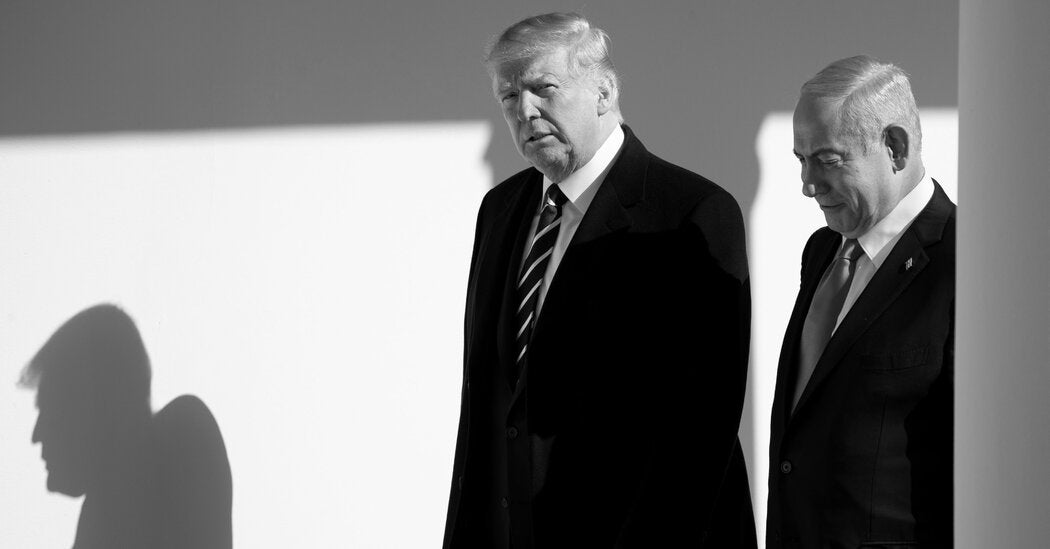
Speaking at an event in Washington, President Trump offered a starkly different interpretation of Iran’s intentions. He suggested that Iranian leaders are actively engaged in negotiations, albeit covertly.
“They want to make a deal so badly, but they’re afraid to say it because they will be killed by their own people. They’re also afraid they’ll be killed by us,” Trump declared. This assertion implies an internal struggle within Iran’s leadership, driven by both domestic pressure and external threats, preventing them from openly pursuing a peace agreement.
It is worth noting that President Trump has not specified the channels or individuals within Iran with whom the U.S. might be negotiating. The broader regional conflict, which began with attacks on Iran by the U.S. and Israel on February 28, has resulted in thousands of casualties across the Middle East. Iran has subsequently launched retaliatory strikes against Israel, U.S. military installations, and several Gulf states.
High-Profile Casualties and Diplomatic Maneuvers
The conflict has seen the loss of significant figures. Iran’s Supreme Commander, Ayatollah Ali Khamenei, was reportedly killed on the first day of the hostilities by an Israeli strike. He was succeeded by his son, Mojtaba, who has reportedly sustained injuries in subsequent attacks and has not been publicly seen since his appointment.
In a significant diplomatic development, Israel reportedly removed Iran’s Foreign Minister Araqchi and Parliamentary Speaker Mohammad Baqer Qalibaf from their “hit-list” following a request from Pakistan. A Pakistani source, privy to these discussions, revealed that Israel had identified targets for elimination. However, Pakistan conveyed to the U.S. that the removal of these key figures would leave no one available for dialogue. Consequently, the U.S. intervened, urging Israel to refrain from targeting them, thereby preserving potential avenues for communication.
This revelation highlights the complex web of international diplomacy and the delicate balance of power at play as the region grapples with an escalating conflict and its far-reaching consequences. The differing public statements from both Tehran and Washington suggest a period of uncertainty, with the path to de-escalation remaining unclear.