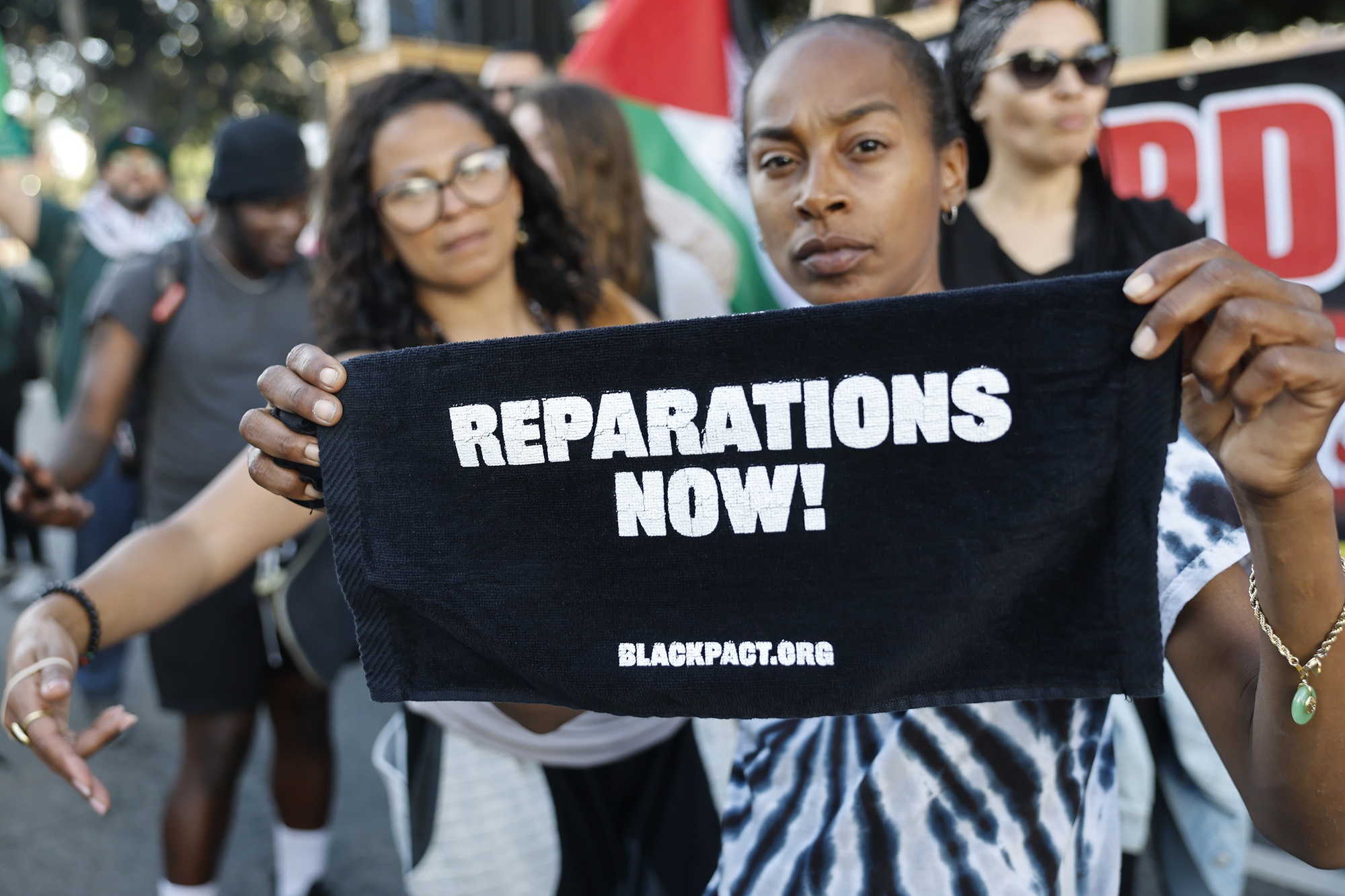
US Rejects Ghana’s UN Slavery Reparations Push, Citing Political and Legal Concerns
The United States has voiced strong opposition to a resolution championed by Ghana at the United Nations, which called for reparations for slavery. Washington has described the motion as politically motivated and legally flawed, leading to its rejection at the UN General Assembly.
Jonathan Shrier, representing the US, explained the rationale behind the vote, highlighting significant concerns regarding the framing and prioritization of historical injustices. He cautioned that the proposal risks trivializing other global atrocities by potentially establishing a hierarchy of suffering.
Shrier articulated that singling out particular historical crimes in a manner that appears to elevate them above others could undermine the broader, essential understanding of human rights violations throughout history. The US representative emphasized that such an approach could dilute the universal condemnation of all forms of suffering and injustice.
Furthermore, the United States challenged the historical accuracy underpinning the resolution. The US argued that the timeline referenced within the document was selective and appeared to be driven by political considerations rather than a comprehensive historical analysis.
Shrier maintained that the transatlantic slave trade did not fit neatly within the specific period outlined in Ghana’s motion. He asserted that the trafficking of Africans began earlier and extended beyond the dates captured in the resolution. This selective framing, according to the US, distorts historical reality and consequently weakens the legal grounding of the proposal.
Despite its firm opposition to the resolution as presented, the United States reaffirmed its enduring condemnation of slavery. Washington acknowledged slavery as a profound and grave historical injustice that demands continued reflection and commitment to preventing its recurrence. However, the US maintained that the resolution, in its current form, presented significant problems and could not garner its support.
The US also issued a broader caution against attempts to leverage the United Nations platform for the advancement of narrow agendas. The delegation urged the global body to remain steadfastly focused on its core mandate of fostering international peace, security, and cooperation, rather than diverting resources and attention towards politically sensitive initiatives that could prove divisive.
The US stance underscores a complex debate at the international level concerning how to address historical wrongs and the appropriate mechanisms for seeking redress. While acknowledging the immense suffering caused by slavery, the US has indicated a preference for broader approaches to human rights and historical justice that avoid what it perceives as divisive or legally unsound proposals.
The rejection of Ghana’s resolution by the United States highlights the differing perspectives on how best to confront the legacy of slavery and its ongoing impacts. It raises questions about the effectiveness of specific, politically charged resolutions within the United Nations framework and the potential for such initiatives to create unintended consequences in the broader pursuit of global justice.
The debate surrounding reparations for historical injustices is multifaceted, involving legal, ethical, and economic considerations. While some nations and organizations advocate for direct financial compensation and other forms of redress, others, like the US in this instance, express reservations about the practicality and fairness of such measures, particularly when they are perceived as narrowly defined or historically inaccurate.
The US position suggests a belief that a more inclusive and historically comprehensive approach is necessary to address systemic injustices. This could involve focusing on educational initiatives, development aid, and broader human rights advocacy rather than specific reparations tied to a particular historical period or group.
The United Nations, as a forum for global dialogue and action, often grapples with issues that have deep historical roots and profound contemporary implications. The outcome of Ghana’s resolution, and the US response, serves as a significant point in this ongoing international discussion. It reflects the challenges inherent in achieving consensus on sensitive and complex historical grievances among diverse member states.
The broader implications of this event extend to how the international community collectively remembers and responds to historical atrocities. The US argument for avoiding a hierarchy of suffering points to a desire for a unified approach to human rights that recognizes the universality of pain and injustice, regardless of its historical context.
Ultimately, the US rejection of the slavery reparations resolution at the UN, while firm, does not diminish the acknowledged severity of the historical injustice of slavery. Instead, it signals a preference for a different path in addressing its legacy, one that Washington believes is more aligned with international law, historical accuracy, and the overarching goals of the United Nations. The debate is far from over, and will likely continue to evolve as nations and organizations seek effective ways to reckon with the past and build a more just future.