European Powers Seek to De-escalate Middle East Oil Crisis
France and Germany have intensified their diplomatic efforts to manage the fallout from an escalating oil crisis in the Middle East, aiming to assert European autonomy and distance themselves from the U.S.-Israel conflict with Iran. However, analysts suggest that these actions are more about damage control than a genuine attempt to lead on the global stage.
The conflict entered its second month, with joint American-Israeli strikes on Iran beginning on February 28, resulting in the deaths of dozens of senior Iranian officials, including former Supreme Leader Ayatollah Ali Khamenei in the initial wave. In retaliation, Iran launched missile strikes targeting Gulf countries aligned with the U.S., significantly disrupting the global energy chain and effectively blocking the Strait of Hormuz, through which roughly 20% of the world’s oil supply passes.
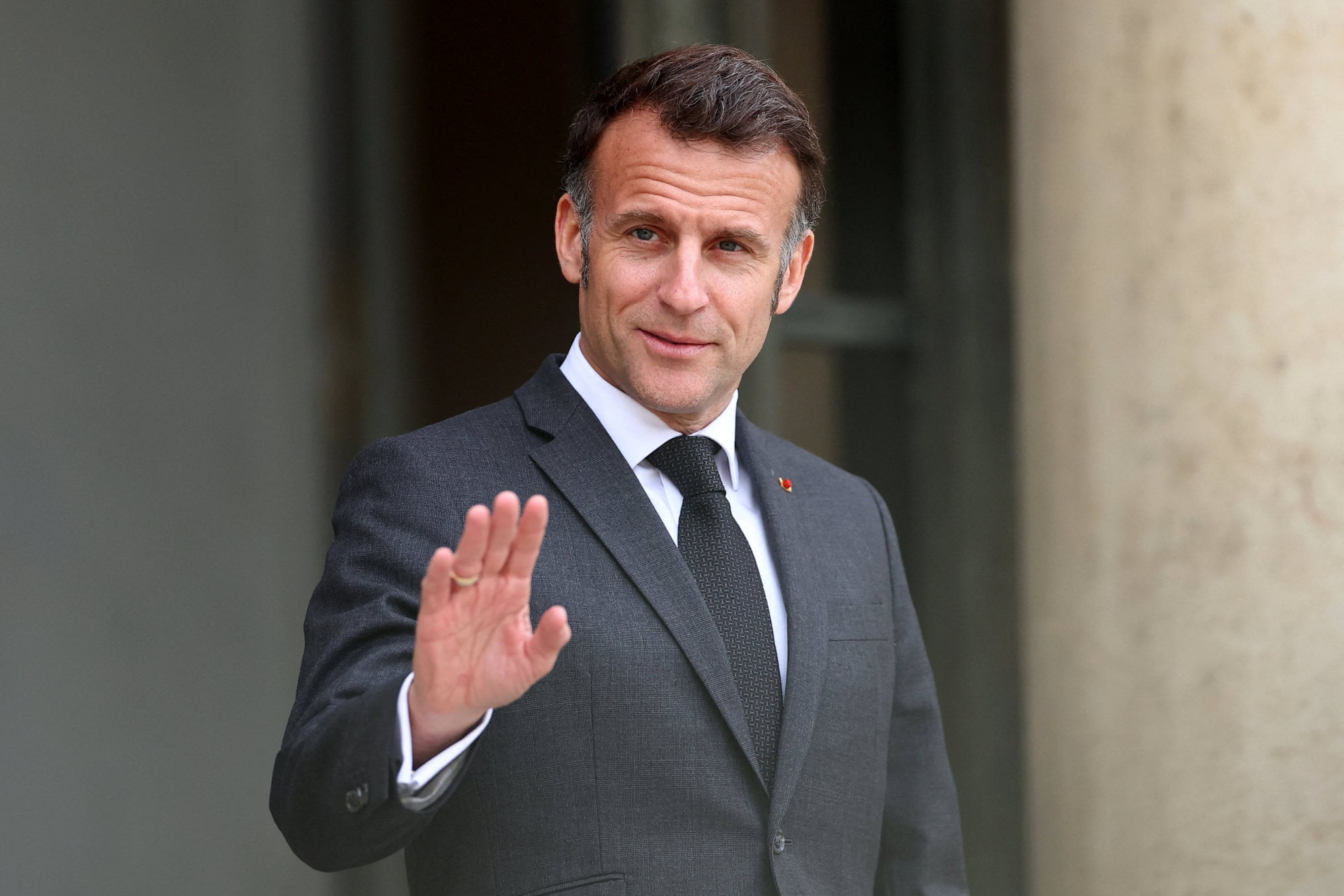
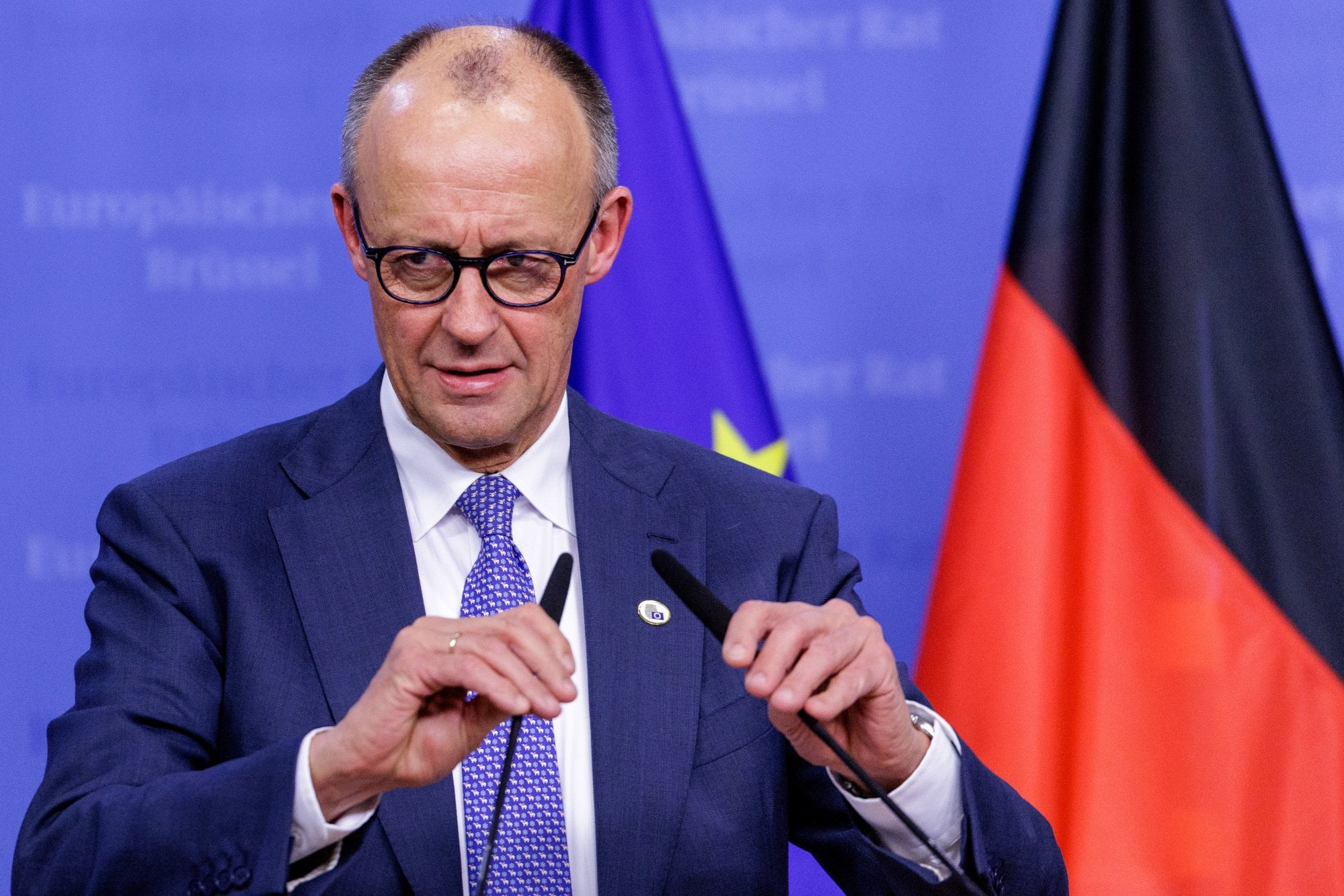
Oil prices have surged, posing a threat to European economies, as the daily transits through the strait dropped to a fraction of its baseline of 130 vessels. Paris and Berlin have condemned Iran’s retaliatory missile strikes and the closure of the strait, refusing to join the American military campaign. French President Emmanuel Macron has dismissed a military reopening of the waterway as “unrealistic,” instead advocating for a UN-backed diplomatic moratorium to restore freedom of navigation. German Chancellor Friedrich Merz’s approach is defined by pragmatic restraint, shielding the country’s industrial core from an unmanageable energy shock.
Multilateral Efforts and International Response
The two powers have also launched multilateral crisis management initiatives, including pushing for the International Energy Agency’s record-breaking release of emergency oil stocks. Meanwhile, representatives from over 40 countries, excluding the U.S., met virtually on Thursday to begin forming a coalition to secure the Gulf shipping channel, with the UK and its allies agreeing to explore sanctions to pressure Iran into reopening the Strait of Hormuz.
However, observers argue that without the military or economic tools to enforce an outcome, their influence may be more aspirational than operational. Ding Yifan, a senior fellow with Renmin University’s Institute of Global Governance and Development in Beijing, said: “Their autonomy is more about damage control rather than a quest for leadership.”
Sebastian Contin Trillo-Figueroa, a geopolitical strategist specializing in EU-Asia relations, noted that Germany and France lack the political authority, economic margin, and military power to make others listen. “What they are doing is to manage irrelevance [in a way that’s] dressed as initiative,” he said.
Experts also question whether a coalition of established middle powers like Berlin and Paris, acting without Washington, can actually move the needle. James Downes, director of the Europe-Asia programme at the US-based Centre for Explanatory Research and Scientific Prediction, stated: “In a hard-conflict scenario like the Strait of Hormuz, middle-power soft power tops out quickly.”
He added that while France and Germany can nudge short-term calm and show some independence from the U.S., any lasting energy diplomacy requires Washington’s buy-in to avoid isolation. Ding echoed this view, stressing that the two powers remain constrained by their security dependence on the U.S. — exemplified by the use of their bases by the U.S. military — and internal divisions, with Eastern European nations still requiring American protection.
The Decline of European Leverage
Contin Trillo-Figueroa argued that the era of European leverage had diminished. He pointed out that while Berlin and Paris were central to the 2015 Iran nuclear deal, they were no longer at the table where the real decisions were made. Back then, France, Germany, and the UK were the architects of the deal — known as the Joint Comprehensive Plan of Action — that traded nuclear restrictions for the lifting of international sanctions.
Under the landmark agreement, Tehran accepted strict oversight of its nuclear programme before the United States unilaterally withdrew from the pact in 2018. Contin Trillo-Figueroa said that if Berlin and Paris could not offer military or economic alternatives, their diplomacy was at risk of becoming performative.
“You do not mediate a chokepoint conflict with moral authority and joint statements … the age of soft power as a substitute for hard capacity is over, and it ended rather loudly,” he said.
Analysts said the sustainability of the “middle power” stance was also tied to the ticker tape of oil prices. If fuel shortages persist and oil prices keep surging, these middle powers will face a binary choice: capitulate to Washington’s military agenda, or accept a compromise with Tehran that effectively legitimizes the blockade.
Ding warned that France and Germany’s energy crisis-driven leadership would be short-lived. “The moment oil prices stabilize, Paris and Berlin’s diplomatic influence is likely to evaporate just as quickly,” he said. “European consensus on strategic autonomy is driven by immediate crises rather than long-term alignment, lacking the institutional framework to sustain consistent leadership.”