India’s Strategic Pivot: Diversifying Trade to Navigate a Polarized World
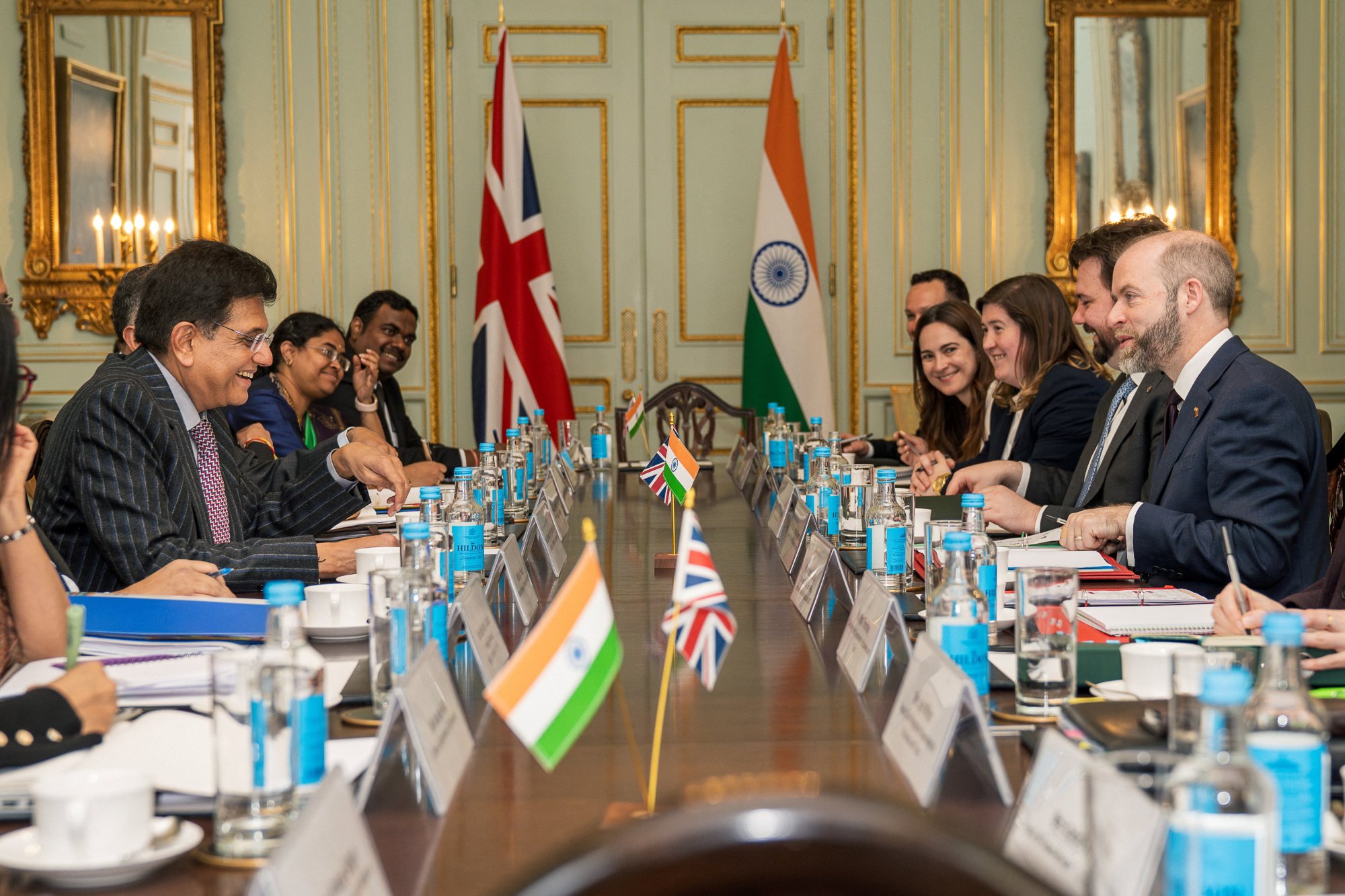
India’s recent engagement with the European Union, culminating in a landmark free-trade agreement, signals a significant evolution in its global economic strategy. European Commission President Ursula von der Leyen’s observation that “India has risen and Europe is truly glad about it” underscores a growing recognition in Western capitals of India’s indispensable role as a pragmatic economic partner amidst rising protectionism and geopolitical rivalries. This sentiment is echoed in a series of recent trade accords New Delhi has forged with nations including Britain, New Zealand, and Oman, with Canada slated to join the list soon. These agreements are not isolated events but rather deliberate steps in a concerted strategy to diversify trade alliances, expand influence, and solidify India’s position as a stabilizing force in an increasingly strained international order.
“India is positioning itself as a more active, reliable, and stabilising force in the global order,” remarked a former Indian diplomat. “Many countries seek reliable partners, and India’s large market and strategic partnerships make it an attractive and safe choice.” This proactive approach to international trade reflects a nation that, having recently surpassed Japan to become the world’s fourth-largest economy and on track for the third spot by 2031, is acutely aware of both its burgeoning potential and the inherent challenges.
Navigating Growth and Risk
While India’s economic trajectory is impressive, its ability to fully capitalize on its growing stature hinges on addressing critical domestic issues. These include tackling youth underemployment, fostering industrial growth, managing border tensions, and meeting climate change obligations. As trade and tax specialist Shashi Mathews explains, India’s foreign policy is rooted in non-alignment. “India will protect itself from any changes that affect its domestic economy,” Mathews stated. “Rather than choosing sides, India is positioning itself as a balancing power advancing Global South interests without triggering unnecessary trade confrontation.” This strategy of steady economic engagement aims to preserve global order amidst escalating tension and distrust, a diplomatic approach that analysts suggest requires sustained focus on trade diversification.
The market’s reaction to tentative trade developments has been notable. India’s stock indices saw a significant jump following reports of the US potentially slashing tariffs on Indian goods. However, this optimism was tempered by the realization that the details of any such agreement remained vague, with key issues like agricultural access still requiring contentious negotiation. Market analysts cautioned that a halt to India’s purchase of Russian oil, a significant supplier, could lead to increased inflation. Furthermore, the reported pledge to purchase substantial amounts of American goods might have been a reaffirmation of existing commitments rather than a new agreement, suggesting further negotiations lie ahead.
Filling the Global Void
The impetus for India’s aggressive trade diversification strategy can be partly attributed to external factors. The US withdrawal from various global institutions and its increasingly inward-looking policies have created a vacuum, offering India a more prominent role on the world stage. “With the US receding from global space, it has provided more space for India,” observed Vivek Mishra, a strategic affairs analyst. This expanding influence is seen as an opportunity to bolster the rules-based international order, which has been challenged by protectionist trends.
Economist Biswajit Dhar highlights that as the US retreats and China faces acceptance challenges, middle powers like India are stepping forward. “The US has withdrawn from the scene and it has become more nationalist,” Dhar noted, adding that Europe has also emerged from America’s “shadow.” This shift presents a unique opportunity for India, especially in collaboration with entities like the European Union, to shape global priorities on issues ranging from trade reform to climate resilience.
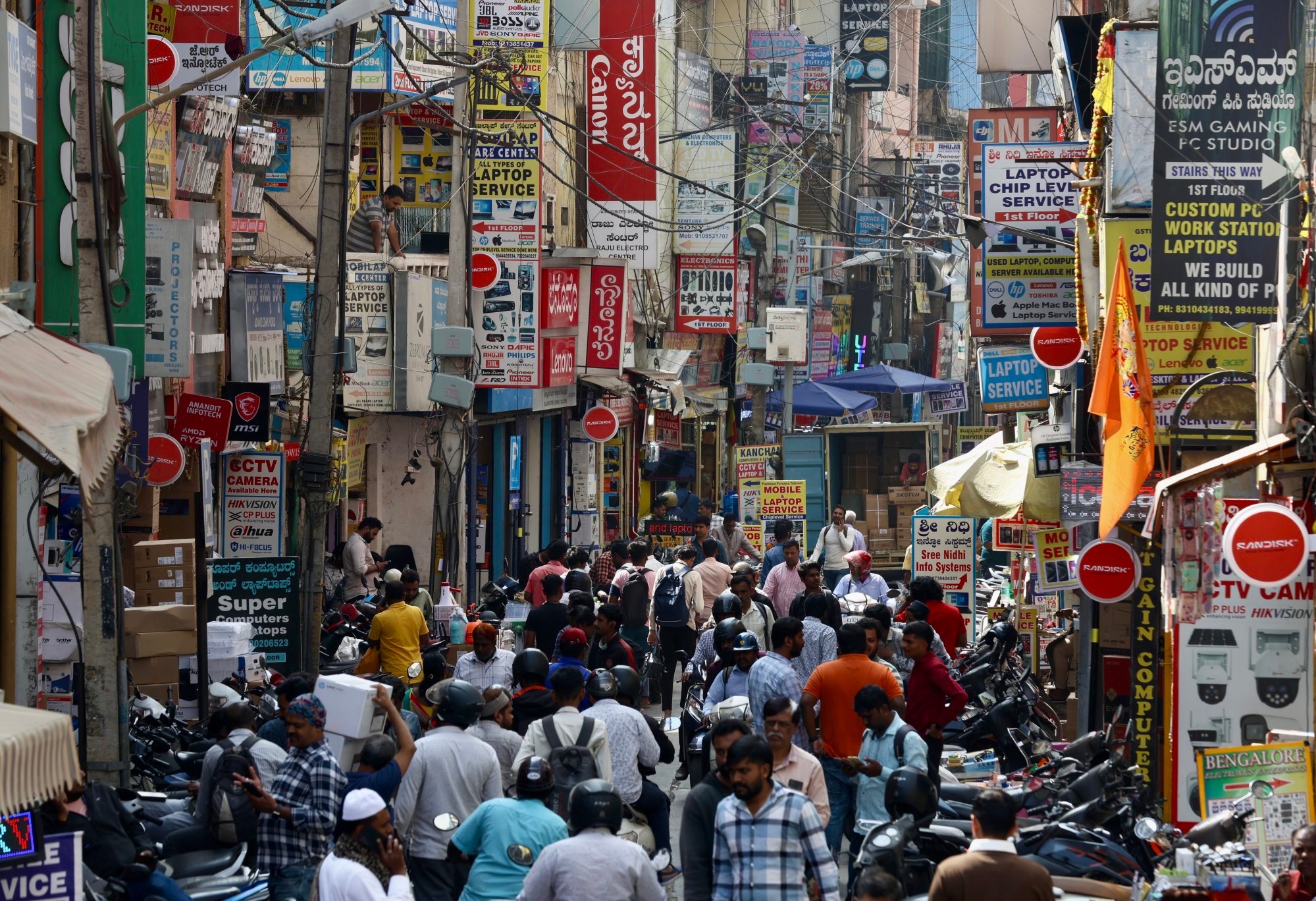
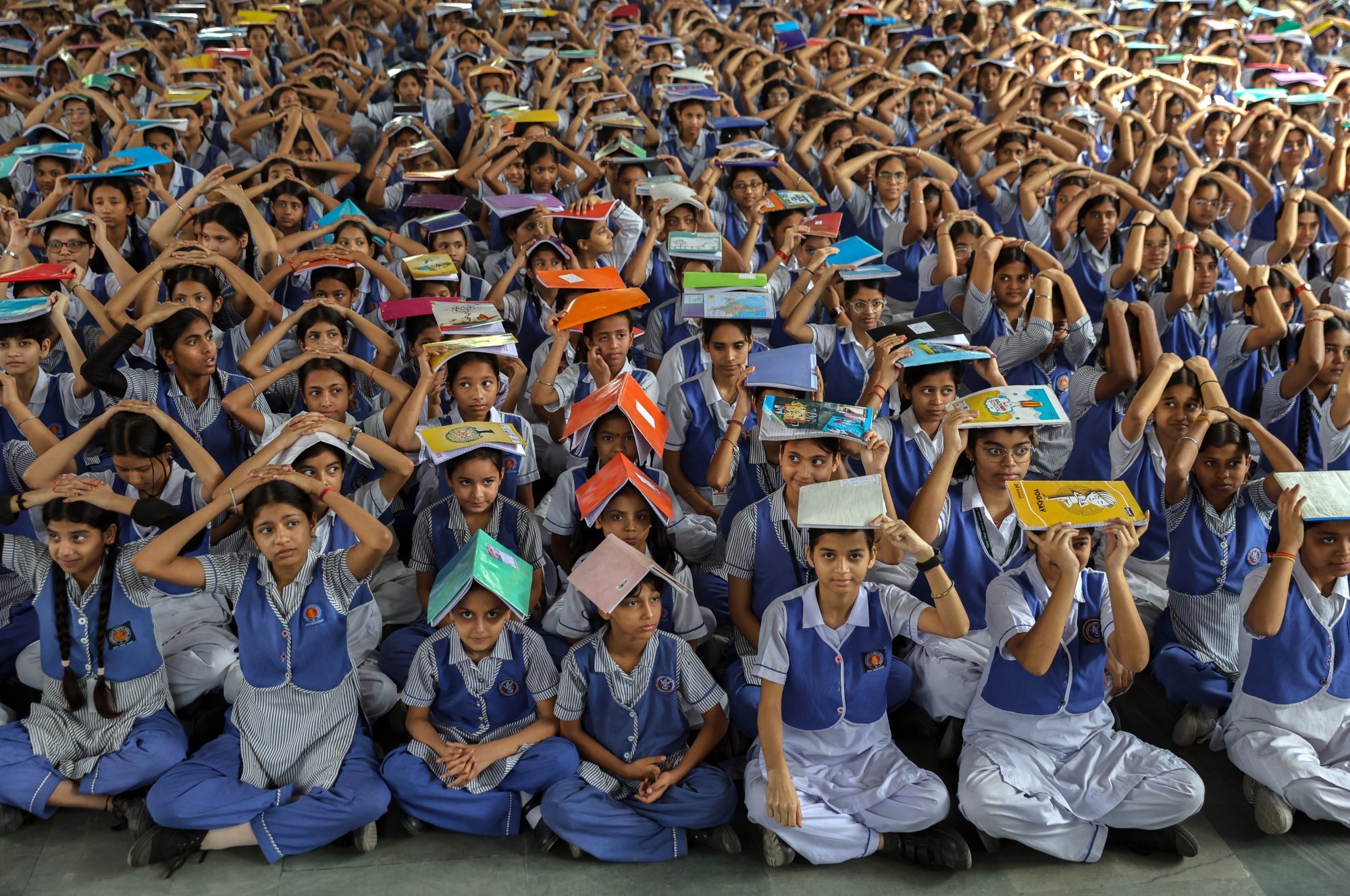
However, to fully leverage this moment, India must significantly enhance its domestic manufacturing capabilities. With a young and growing population, the demographic dividend can only be realized through reforms in education and manufacturing. Experts emphasize the need for a fundamental overhaul of the education system to prepare the youth for modern manufacturing and global leadership roles. This includes fostering experiential learning and adapting pedagogical approaches to meet the demands of a rapidly evolving industrial landscape.
Poised for Manufacturing Leadership
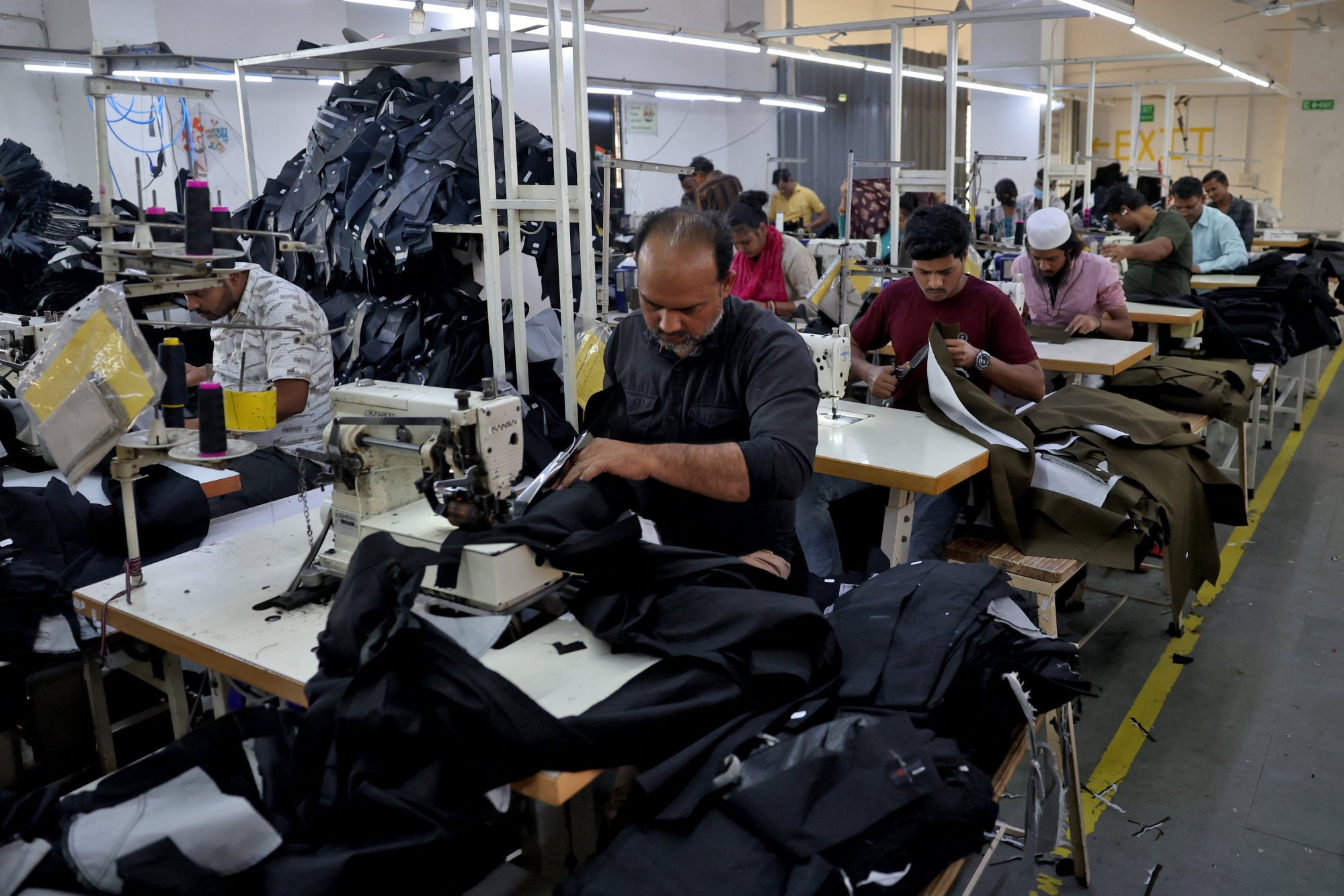
The ongoing US-China trade war has prompted a global realignment of supply chains, with countries seeking reliable alternatives to China. While nations like Vietnam have emerged as contenders, capacity constraints have limited their potential. India, with its established IT services sector and a long history of artisan craftsmanship, is well-positioned to seize this opportunity. “The major limitation of Vietnam has been scale,” commented an economics professor, suggesting that India, with its vast population and skilled workforce, is poised to become a major player.
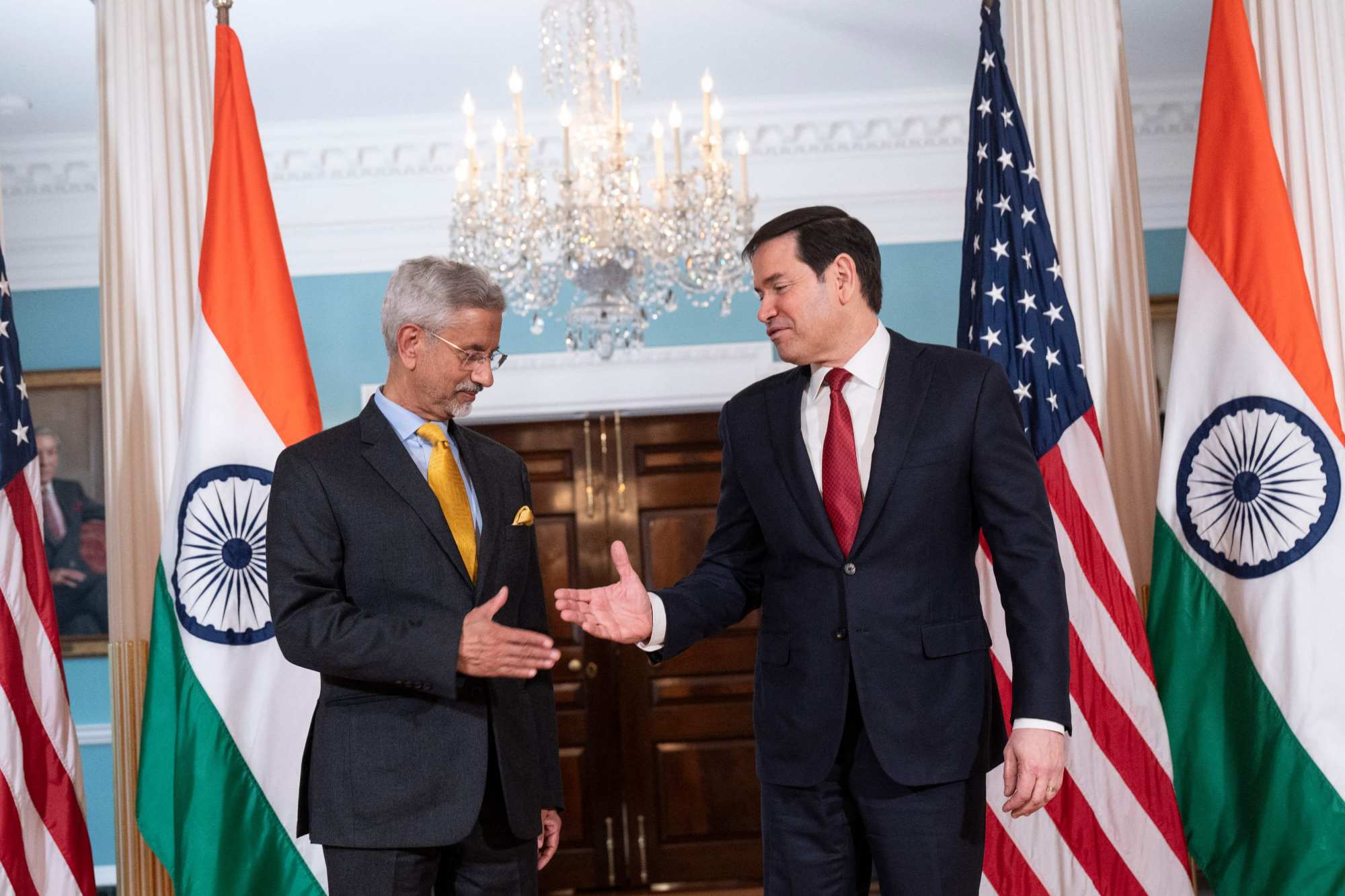
This economic logic also appears to be influencing India’s approach to its relationship with China. Despite lingering border tensions, India is reportedly easing restrictions on Chinese investment, focusing on non-sensitive sectors. This pragmatic approach aims to boost local manufacturing and job creation, demonstrating a strategy of maintaining political vigilance while fostering economic cooperation.
A Bridge, Not a Bloc
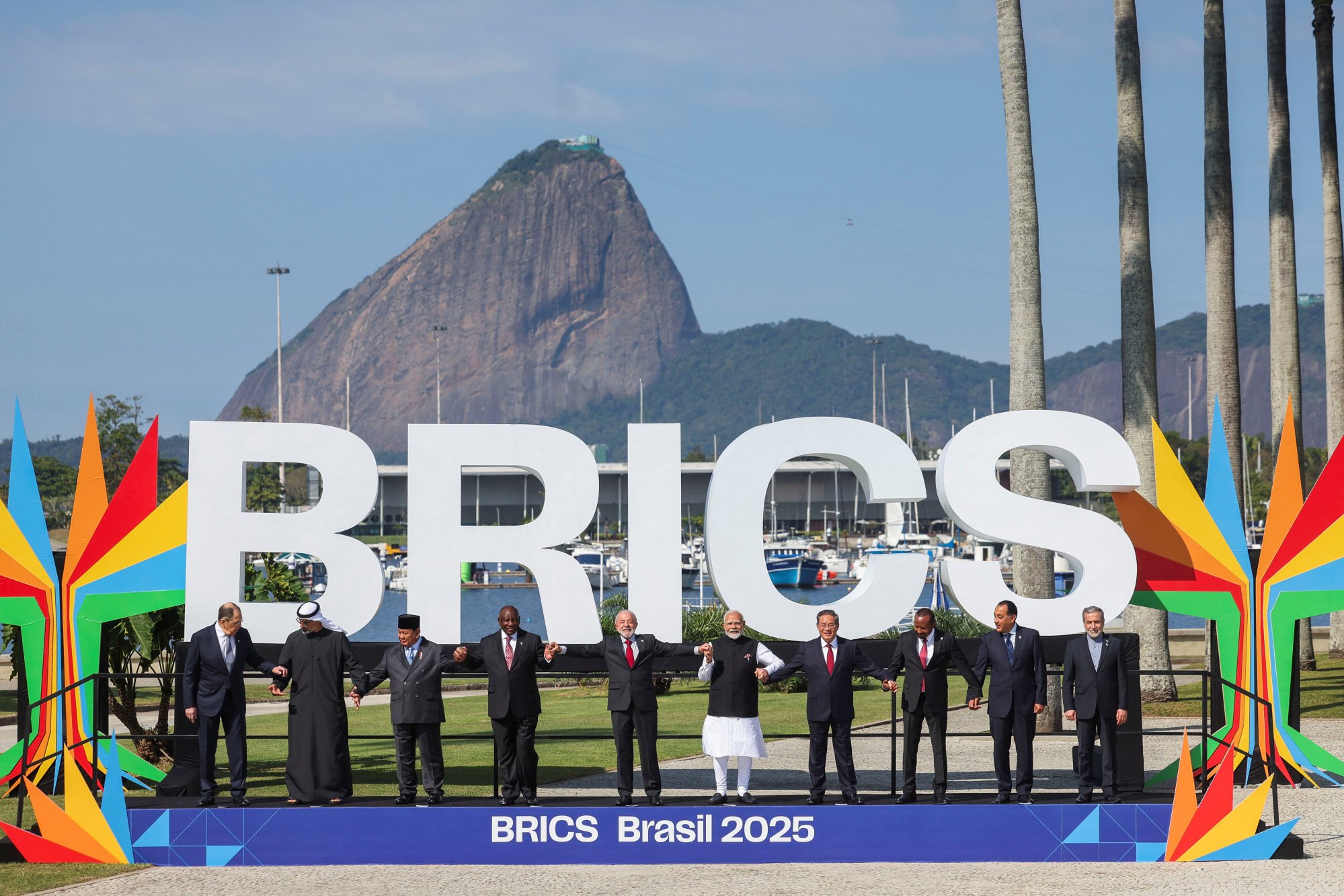
Beyond its immediate economic interests, India is actively leveraging its stability to assert leadership within the Global South. As chair of the Brics grouping, India is positioned to champion the interests of developing nations without alienating Western partners. The recent US tariff adjustments have provided India with greater diplomatic flexibility, enabling it to lead the bloc with reduced apprehension of American opposition. “It’s like India is saying: ‘We’ve got this balanced, let’s build something meaningful here,’” remarked a director at a Delhi-based think tank.
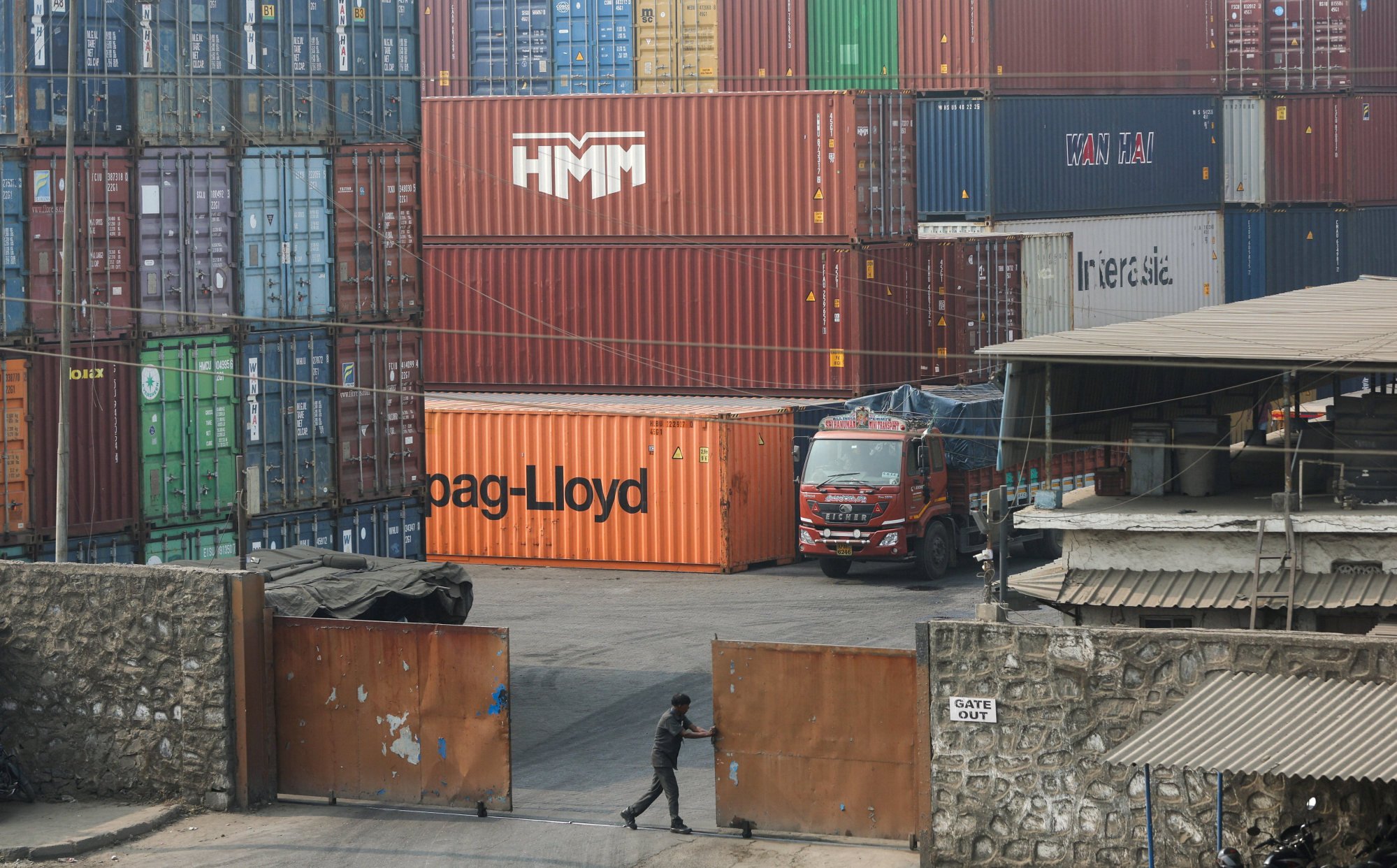
However, India’s regional dynamics present a complex picture. Strained relations with Pakistan and Bangladesh, alongside an uncertain relationship with Nepal, could potentially limit its claim to represent the subcontinent. While tensions with neighbors like Pakistan have led to military standoffs, and relations with Bangladesh have been strained, experts believe that India can manage these challenges by avoiding escalation.
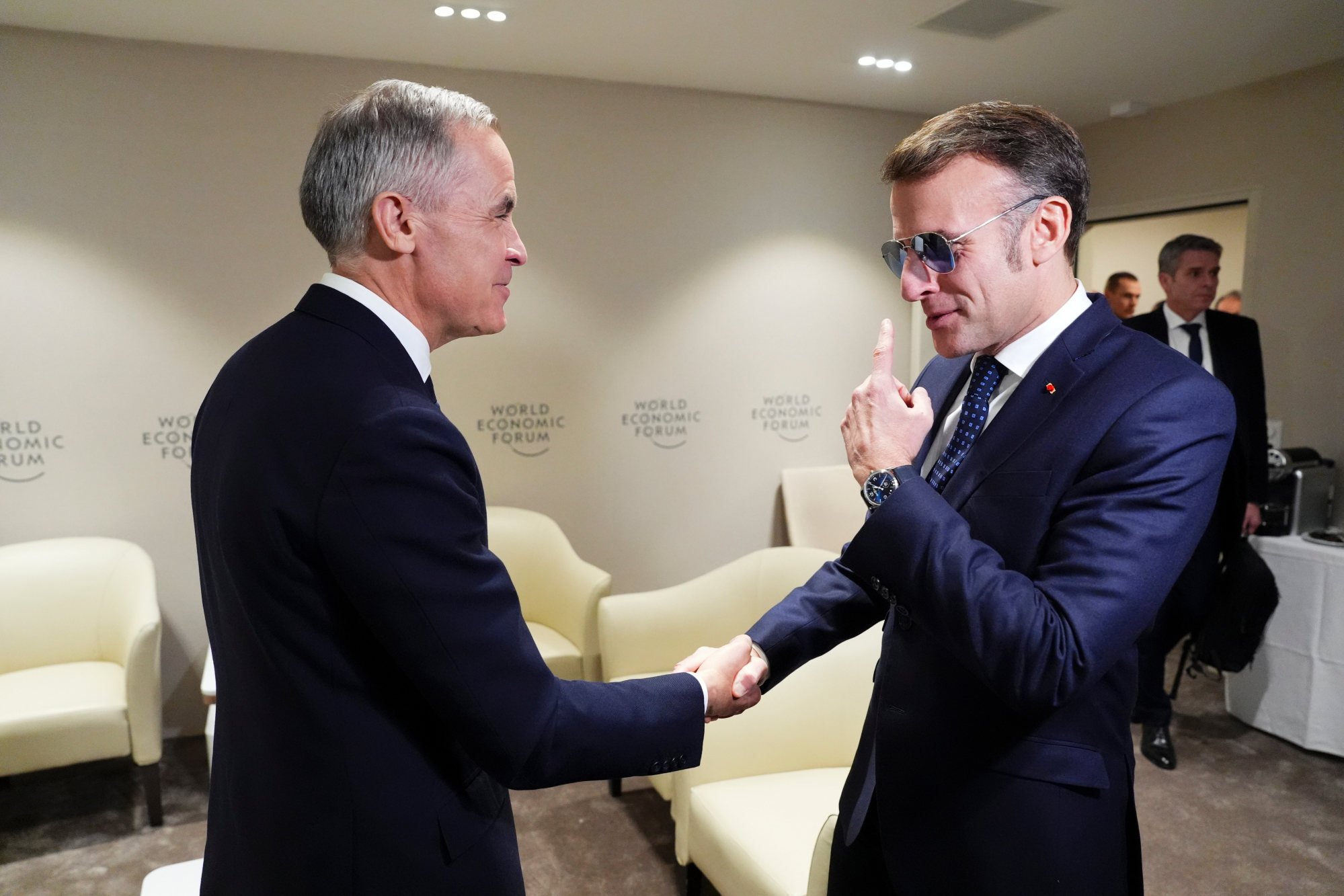
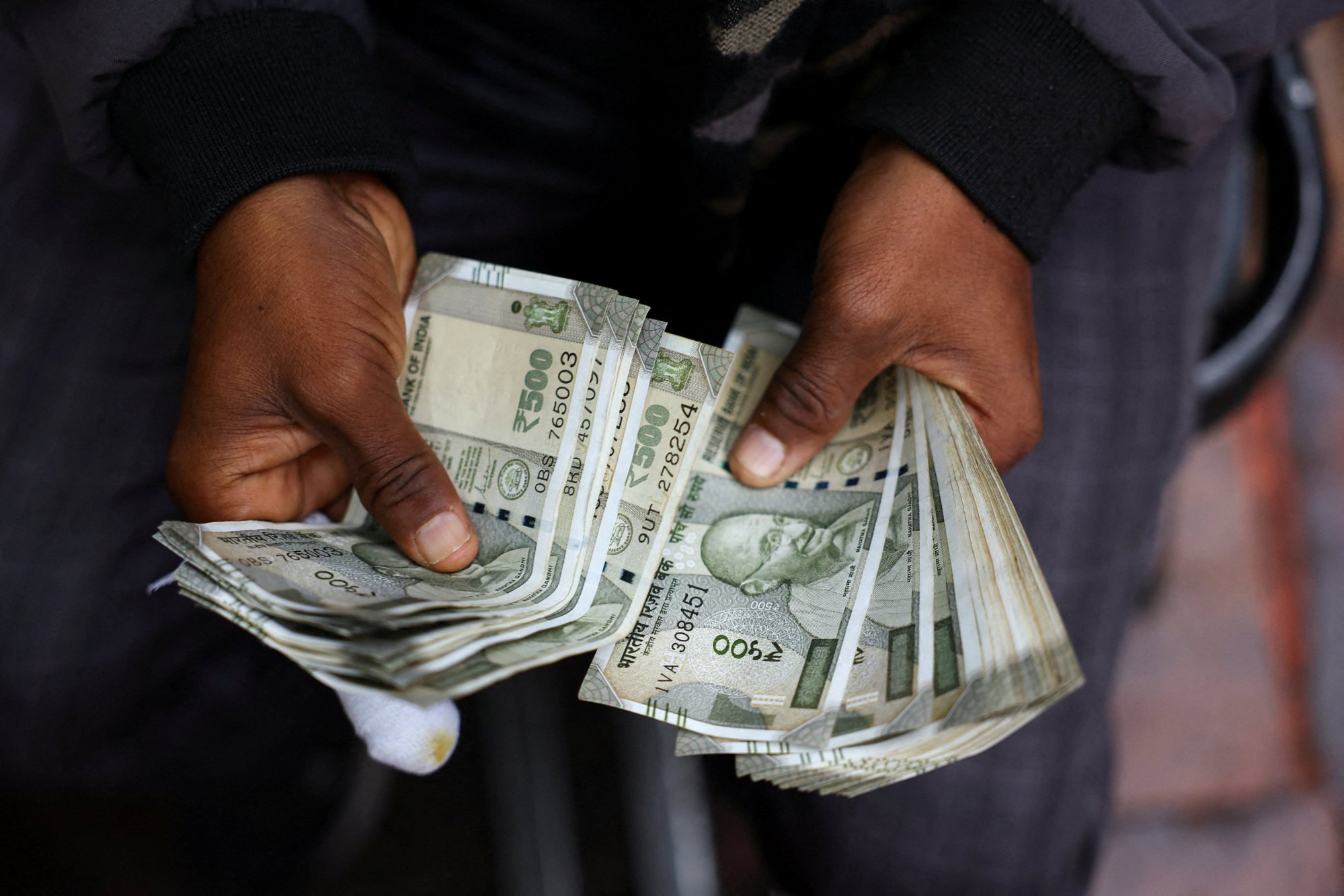
By effectively managing regional disputes, India can dedicate more resources to addressing broader Global South concerns, such as climate finance and the development of resilient trade networks. This focus also extends to exploring alternative payment mechanisms within Brics to reduce reliance on the US dollar, a move that could alter the global financial landscape. While India has not officially adopted a “de-dollarisation” policy, its intermittent pursuit of local currency settlements signals a strategic move towards greater financial autonomy.
Ultimately, India’s burgeoning role is perceived not as a challenge to the West, but as a crucial bridge in a polarized world. It is seen as a moderating influence between major powers like China and Russia, and a facilitator for emerging economies and middle powers across the Global South.