NHIA Bolsters Fight Against Kidney Disease in Ghana, Thousands Benefit
The National Health Insurance Authority (NHIA) in Ghana has significantly ramped up its initiatives to combat the rising tide of kidney disease across the nation. In a strong demonstration of commitment, the NHIA revealed that over 6,000 individuals suffering from kidney ailments have already received crucial assistance through the National Health Insurance Scheme (NHIS). This development was a central theme at a prominent public health forum held in Accra, coinciding with the observance of World Kidney Month. The event convened a diverse group of stakeholders, including leading medical professionals, passionate patient advocates, and influential policymakers, all united by a shared call for immediate and decisive action to address the escalating burden of kidney disease.
During the forum, Dr. Abigail Derkyi-Kwarteng, the NHIA Director of Claims, delivered a stark warning. She highlighted that a substantial proportion of kidney-related conditions are entirely preventable, often stemming directly from lifestyle choices. Dr. Derkyi-Kwarteng implored the Ghanaian populace to adopt healthier habits, emphasizing the importance of adequate hydration by drinking more water, moderating alcohol consumption, and strictly avoiding unregulated herbal remedies. Furthermore, she underscored the critical need for consistent health check-ups. Her message resonated clearly: proactive prevention is not only significantly more cost-effective but also far more efficacious than reactive treatment.
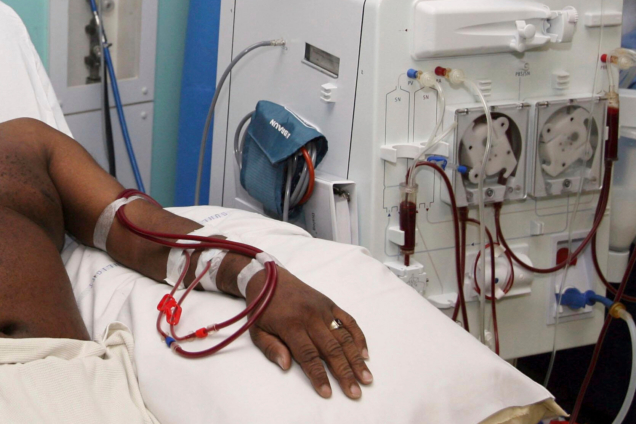
The grim realities faced by those living with kidney disease were vividly articulated by Mr. Baffour Kwadwo Ahenkorah, the Head of the Renal Patients Association of Ghana. He shared a compelling firsthand account of the immense challenges confronting kidney patients. Among the most significant hurdles he identified were the exorbitant costs associated with treatment and the severely limited availability of essential dialysis machines. Mr. Ahenkorah passionately appealed for greater engagement and investment from the private sector, positing that their involvement could be instrumental in broadening access to care and driving down the prohibitive expenses.
Adding further depth to the discussion, Dr. Papa Nii Maale-Adsei elaborated on the medical perspective. He clarified that dialysis, while life-sustaining, is typically considered a treatment of last resort for individuals experiencing kidney failure. Dr. Maale-Adsei stressed that kidney transplantation represents the sole viable long-term solution for such cases. He also reiterated the profound impact of lifestyle modifications, advocating for increased physical activity and a marked reduction in the intake of processed foods as powerful strategies to significantly mitigate the risk of developing kidney disease.
A Multifaceted Approach to Prevention and Care
The public health forum itself, meticulously organized by the NHIA’s Corporate Affairs Directorate, served as a dynamic platform for engagement. A particularly engaging element was an interactive podcast session, expertly hosted by Miss Shaniece Palm. This segment successfully drew in a broad spectrum of public participation, fostering a sense of shared responsibility and dialogue.
Ms. Angela Asiedu, the Deputy Director of Marketing, echoed the prevailing sentiment by emphasizing that prevention remains the cornerstone of any effective strategy against kidney disease. She acknowledged the NHIS’s ongoing efforts to expand its coverage, but firmly stated that conscious and healthier lifestyle choices constitute the primary line of defence for individuals seeking to ward off kidney ailments.
Reinforcing this crucial message, Ms. Faustina Derry, NHIA Head of Communications, urged the public to prioritize regular health screenings. She highlighted that early detection is paramount in averting the development of severe and potentially life-threatening kidney complications.
Beyond the insightful discussions and expert advice, attendees at the event were also provided with invaluable on-site health checks and consultations with medical specialists. This practical component allowed for immediate assessment and personalized guidance.
The forum unequivocally underscored the urgent and pressing need for enhanced public awareness campaigns, proactive preventive measures, and robust, sustained healthcare support systems. It also served as a powerful reaffirmation of the NHIA’s unwavering commitment to ensuring that comprehensive kidney care becomes progressively more accessible and affordable for every citizen of Ghana. The collective efforts signal a determined push towards a healthier future, where the burden of kidney disease is significantly lessened through a combination of policy, public engagement, and accessible healthcare.