Rising Discontent Over Budget Changes
A recent poll has highlighted significant public dissatisfaction with the federal government’s budget changes, particularly those affecting small businesses and property investors. The survey conducted for the Daily Telegraph shows that over 80 per cent of respondents believe a promise was broken by the government, raising concerns about trust and economic stability.
Key Issues in the Budget Reforms
The main points of contention include changes to negative gearing, capital gains tax, and trust taxation. These reforms are seen as a major shift from previous commitments, leading to widespread criticism. Under the new policies, the government plans to tighten negative gearing rules, which limit the ability of property investors to offset losses against taxable income. This change is expected to impact many Australians who rely on these strategies for investment.
Additionally, the government is set to overhaul the capital gains tax system by eliminating the long-standing discount and instead taxing gains above inflation. A minimum 30 per cent rate will be applied from July 2027. This has sparked concern among investors and homeowners alike, with many feeling that their financial interests are at risk.
Public Perception of Broken Promises
The poll indicates that 54 per cent of voters believe the Prime Minister has broken his commitment not to alter negative gearing during the last election campaign. Overall, 83 per cent of respondents felt that some form of promise had been broken, highlighting a growing sense of betrayal among the electorate.
This perception has significantly affected confidence in the government. Almost half of the voters reported a reduction in trust, with 31 per cent noting a significant decline and 14 per cent stating that trust has fallen slightly. In contrast, only 12 per cent of voters indicated an increase in trust.
Widespread Dissatisfaction
Dissatisfaction with the 2026 federal budget is widespread, with 47 per cent of voters expressing dissatisfaction, including 28 per cent who are very dissatisfied. Only 18 per cent say they are satisfied, with just 4 per cent reporting they are very satisfied. This reflects a deepening divide between the government and the public.
Voters also believe the budget will hit their hip pockets. While 44 per cent say it will leave their household worse off, only 13 per cent expect to be better off. This underscores persistent cost-of-living anxiety across the country.
Confidence in the broader economy has also weakened. Forty-six per cent of voters believe the budget will worsen the economy, compared with just 21 per cent who think it will improve conditions. Notably, 23 per cent expect economic conditions to deteriorate significantly.
Impact on Interest Rates and Housing Affordability
A strong majority, 58 per cent, believe the budget will increase the likelihood of another interest rate rise, while only 10 per cent think it will reduce that risk. This suggests that the public is concerned about the potential for higher borrowing costs in the future.
Labor’s housing tax changes have also failed to convince voters that they will deliver meaningful reform. More Australians disagree than agree that the adjustments to capital gains tax and negative gearing will improve housing affordability, with 39 per cent rejecting the claim compared with 25 per cent who support it.
Adding to the political pressure, 61 per cent of voters expect the government to introduce further tax changes before the next election. This highlights the ongoing tension between the government and the electorate, as well as the need for clear communication and transparency in policy decisions.
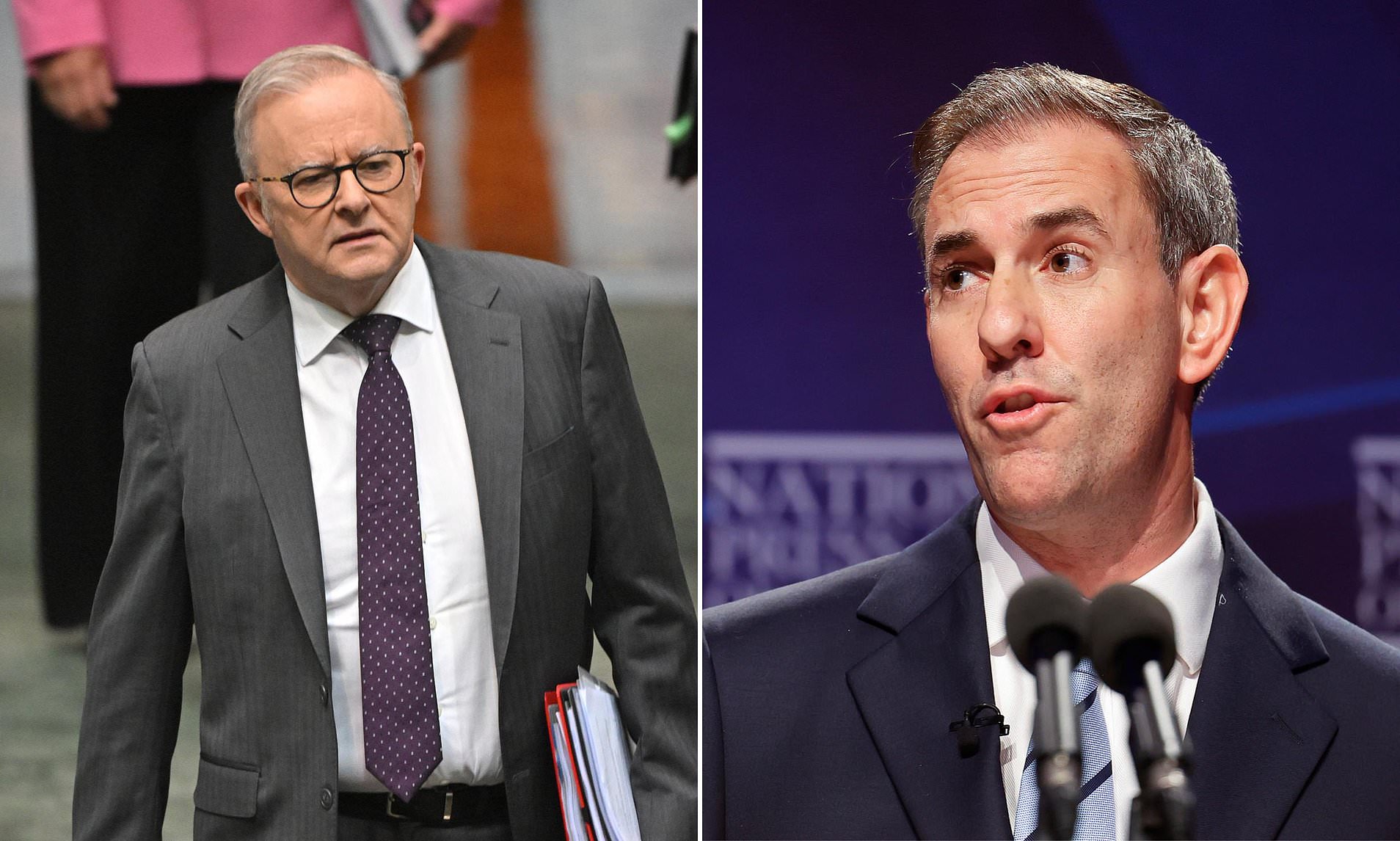
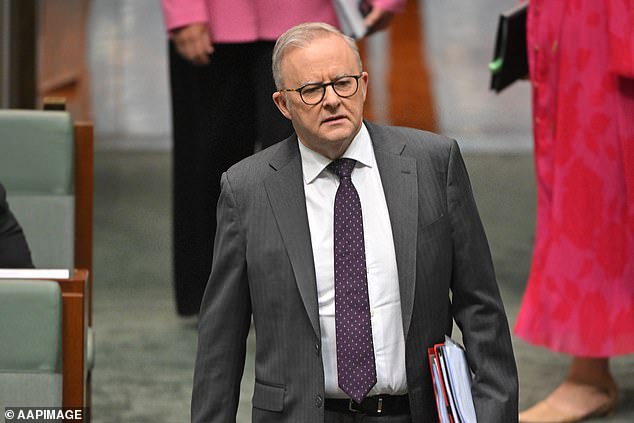
Prime Minister Anthony Albanese has repeatedly refused to say whether he has broken a pre-election promise in the federal budget, insisting instead the government has ‘changed our position’. He argues that the changes will make a difference, aiming fairly and squarely at providing additional opportunities for young people to own their own home.